Why Experts Now Say Not to Remove Your Wisdom Teeth 2026

Why experts now say not to remove your wisdom teeth is one of the most searched dental questions in 2026, and for good reason. For decades, wisdom tooth extraction was treated as a routine rite of passage.
Dentists removed them before they could cause trouble. But the science has shifted. New research, better imaging tools, and a growing commitment to evidence-based dentistry are changing how experts approach third molars.
Today, many dental professionals say keeping your wisdom teeth may actually be the smarter, safer choice for a large number of patients.
What Are Wisdom Teeth and Why Do We Have Them?
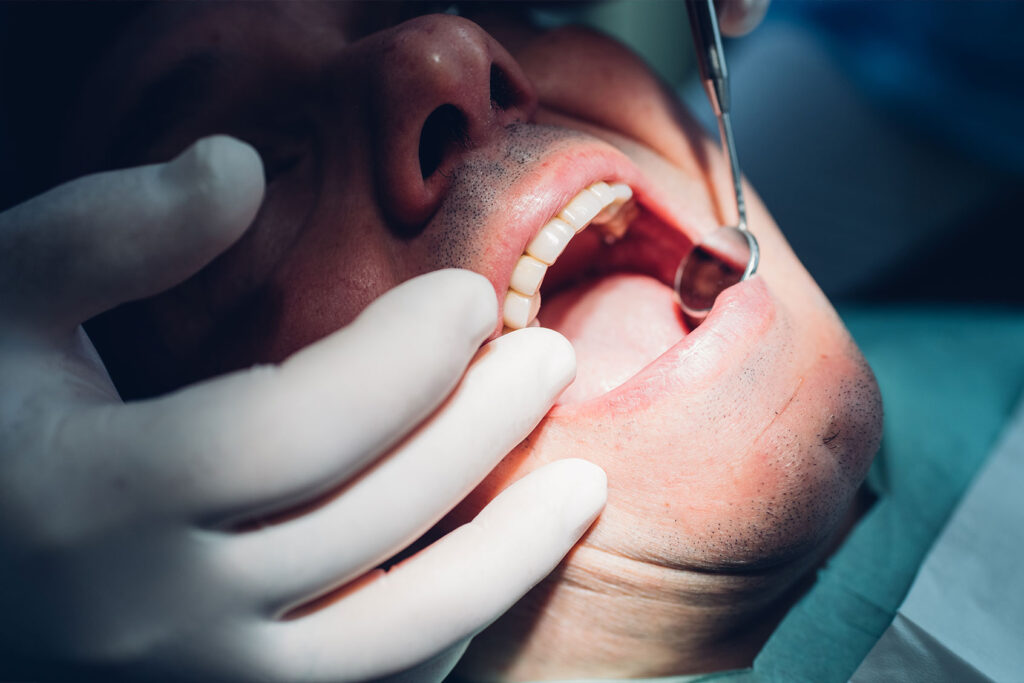
Wisdom teeth are your third molars, the very last set of teeth to grow in at the back of your mouth. They typically emerge between the ages of 17 and 25, which is why they earned the nickname “wisdom teeth.”
Our ancestors needed these extra molars to grind down tough, raw plant material and unprocessed meat. As human diets evolved and cooking became standard, the jaw gradually became smaller. The result is that many modern humans simply do not have enough room in the jaw for these four extra teeth.
However, not everyone experiences problems with them. Some people’s wisdom teeth grow in perfectly straight, cause no crowding, and remain healthy for life.
The Traditional Approach: Why Everyone Was Told to Remove Them
For most of the 20th century, the standard dental recommendation was clear: extract wisdom teeth before they cause trouble. This preventive approach was built on the belief that these teeth almost always led to impaction, crowding, or infection.
Dentists recommended removal, even in young patients with no symptoms, based on the assumption that problems would inevitably develop. The logic seemed sound at the time. Remove them early, avoid pain later.
This thinking became so widespread that wisdom tooth extraction became one of the most performed surgical procedures in the United States. According to available data, approximately 10 million wisdom teeth are extracted in the US each year.
Why Experts Now Say Not to Remove Your Wisdom Teeth
The shift in thinking did not happen overnight. It came as dental researchers began studying outcomes more carefully and asking a critical question: are these extractions actually necessary in all cases?
The answer, increasingly, is no. Experts now say not to remove your wisdom teeth unless there is a clear, documented clinical reason to do so.
New Research Is Challenging Old Assumptions
Studies have revealed that fewer than 12 percent of impacted wisdom teeth actually go on to cause serious problems. That statistic fundamentally changes the calculus around routine preventive extraction.
When the majority of third molars never develop complications, removing them all begins to look more like a habit than a medical necessity. Dental researchers have called for more individualized, evidence-based approaches to third molar management.
Better Diagnostic Tools Change Everything
Modern dentistry now has access to cone beam computed tomography (CBCT) scans and advanced digital X-rays. These tools allow dentists to see the exact position, root development, and relationship of wisdom teeth to surrounding nerves and bone.
With this level of detail, clinicians can make much more accurate predictions about whether a wisdom tooth is likely to cause problems. There is no longer a need to extract based on guesswork.
The Rise of Evidence-Based and Conservative Dentistry
The dental profession as a whole has been moving toward evidence-based practice. This means treatment decisions should be grounded in solid clinical data, not tradition or habit.
Multiple professional bodies have updated their guidance in recent years to reflect a more conservative stance on routine wisdom tooth removal. The message is consistent: wait, watch, and only act when necessary.
Risks of Wisdom Tooth Removal That Experts Now Highlight
One of the biggest reasons why experts now say not to remove your wisdom teeth is the range of real risks that come with extraction. Many patients are not fully informed about these before consenting to surgery.
Dry Socket
Dry socket occurs when the blood clot that forms after extraction is dislodged or dissolves too early. It leaves the underlying bone and nerve exposed to air, food, and bacteria, causing significant pain and slowing recovery.
It is one of the most common complications following wisdom tooth removal and can extend discomfort for weeks.
Nerve Damage
Wisdom teeth sit close to the inferior alveolar nerve and lingual nerve in the lower jaw. In rare but documented cases, extraction can result in numbness, tingling, or permanent altered sensation in the lips, tongue, or chin.
This is a particularly serious risk when the roots of lower wisdom teeth wrap around or sit very close to nerve pathways.
Infection
Like any surgical procedure, wisdom tooth extraction carries a risk of post-operative infection. Delayed-onset infections can develop one to four weeks after the procedure and may require antibiotics or additional treatment.
Research has shown a delayed infection rate of between 0.5 and 1.8 percent following mandibular wisdom tooth extractions, which is not insignificant when multiplied across millions of annual procedures.
Prolonged Recovery
Recovery from wisdom tooth extraction typically takes at least three to five days for basic healing. In more complex cases involving impacted teeth, full recovery can take weeks.
This means time off work or school, dietary restrictions, and management of pain and swelling with medication.
Anesthesia Risks
Wisdom tooth removal often requires local anesthesia, sedation, or general anesthesia. All carry inherent risks. While the mortality rate from dental anesthesia is extremely low, at approximately 1 in 327,000 procedures, the risk is not zero.
| Complication | Estimated Rate |
|---|---|
| Dry socket | 2 to 5 percent |
| Post-operative infection | 0.5 to 1.8 percent |
| Nerve damage (temporary) | 0.5 to 5 percent |
| Nerve damage (permanent) | Less than 1 percent |
| Serious anesthesia event | Extremely rare |
| Death | 1 in 327,000 |
When weighed against a wisdom tooth that is not causing any current harm, these risks make a strong case for the conservative approach.
When Keeping Your Wisdom Teeth Is the Right Choice

Experts now identify a clear set of circumstances where keeping your wisdom teeth is the better option.
They Are Fully Erupted and Properly Aligned
If your wisdom teeth have grown in straight, are in full contact with opposing teeth, and do not cause any bite issues, they are functioning teeth. Removing functioning teeth without cause is not good medicine.
They Are Fully Erupted and Easily Cleaned
Hygiene is a major concern with wisdom teeth. But if they are positioned in a way that allows for effective brushing and flossing, the risk of decay and gum disease drops significantly.
Regular cleaning and dental checkups are enough to maintain these teeth indefinitely.
There Is No Evidence of Impaction or Pathology
If dental imaging shows no signs of impaction, cyst formation, bone loss, or pressure on adjacent teeth, there is no urgent clinical reason to remove them.
Ongoing monitoring every six to twelve months gives dentists the information needed to detect any early changes before they become serious.
You Are an Older Adult with No Symptoms
Research suggests that the older a patient gets without developing wisdom tooth problems, the less likely those problems are to emerge. Extracting symptom-free wisdom teeth in older adults carries higher surgical risk due to denser bone and more complex root systems.
When Removal Is Still Necessary: Experts Are Clear on This Too
The shift away from routine removal does not mean wisdom teeth should never be extracted. There are well-defined clinical situations where removal remains the right choice.
Impaction That Causes Pain or Damage
When a wisdom tooth is unable to fully erupt and becomes trapped in the gum or bone, it is considered impacted. If this impaction causes persistent pain, damages neighboring teeth, or leads to recurrent infections, removal is indicated.
Impacted wisdom teeth can also create pockets where bacteria thrive, increasing the risk of gum disease and decay in adjacent molars.
Recurring Pericoronitis
Pericoronitis is an infection of the gum tissue surrounding a partially erupted wisdom tooth. When this condition recurs repeatedly, extraction is typically the most effective long-term solution.
Cyst or Tumor Formation
A wisdom tooth that is impacted can develop a cyst in the surrounding tissue. If untreated, this cyst can damage the jawbone, the roots of nearby teeth, and surrounding nerves.
In these cases, removal is not optional. It is medically necessary.
Orthodontic Reasons
In some cases, wisdom teeth may contribute to crowding of the front teeth or interfere with orthodontic treatment outcomes. A dentist or orthodontist may recommend removal as part of a broader treatment plan.
Decay That Cannot Be Treated
If a wisdom tooth develops deep decay and its position makes it impossible to fill or restore effectively, extraction may be the only viable option.
Keep vs. Remove: A Side-by-Side Comparison
| Factor | Keep Wisdom Teeth | Remove Wisdom Teeth |
|---|---|---|
| No symptoms or impaction | Recommended | Not necessary |
| Fully erupted and aligned | Recommended | Not necessary |
| Recurring infection or pericoronitis | Not advised | Recommended |
| Cyst or tumor formation | Not advised | Necessary |
| Deep decay in inaccessible position | May not be sustainable | Recommended |
| Patient age over 35, no symptoms | Recommended | Carries higher surgical risk |
| Orthodontic crowding confirmed | Case by case | May be recommended |
| Nerve proximity risk | Monitoring preferred | Evaluate carefully |
How to Monitor Wisdom Teeth Safely
Choosing to keep your wisdom teeth does not mean ignoring them. It means committing to proactive monitoring and hygiene.
Regular Dental Checkups
Visiting your dentist every six to twelve months allows them to track any changes in wisdom tooth position, gum health, and bone density around the teeth.
Digital X-rays taken periodically provide a clear picture of whether anything is changing and whether intervention is needed.
Proper Oral Hygiene at the Back of the Mouth
Wisdom teeth are the hardest teeth to clean because of their position. Use a soft-bristle toothbrush angled toward the back teeth, and make sure to floss around and behind them daily.
Water flossers and interdental brushes are particularly useful for reaching the tight spaces around third molars.
Watch for Warning Signs
Even if your wisdom teeth are currently problem-free, stay alert to any changes. Pain at the back of the jaw, swelling in the gum tissue, jaw stiffness, bad breath that does not resolve with cleaning, or pressure against neighboring teeth should all prompt a dental visit.
Early detection of a developing issue makes any necessary treatment much simpler.
The Role of Minimally Invasive Dentistry in This Shift

One reason why experts now say not to remove your wisdom teeth is the broader shift toward minimally invasive dentistry across the profession. This philosophy prioritizes preserving as much of the natural tooth structure and supporting tissue as possible.
Under this model, surgery is a last resort, not a first response. It recognizes that every surgical procedure carries risk and that preserving natural anatomy is almost always preferable when clinically safe.
This aligns with how most modern medical fields approach elective preventive procedures: only when the expected benefit clearly outweighs the documented risk.
What Dental Organizations Say in 2026
Several dental professional bodies have updated their stance on routine wisdom tooth removal in recent years. The consensus has moved decisively toward individualized assessment rather than blanket extraction.
The American Dental Association and many international equivalents now recommend that wisdom teeth decisions should be based on clinical evidence specific to each patient, taking into account the position of the tooth, surrounding bone and nerve anatomy, the patient’s age and health, and the presence or absence of symptoms or pathology.
Routine removal of asymptomatic, non-pathological wisdom teeth is increasingly considered outdated practice.
Patient Questions to Ask Your Dentist
If your dentist recommends wisdom tooth removal, these are the questions every informed patient should ask before agreeing to surgery.
Are my wisdom teeth currently causing a documented problem or is this preventive? What specific evidence suggests removal is necessary right now? What are the risks of extraction given my individual anatomy? What are the risks of monitoring and waiting? What imaging has been done to assess my tooth and nerve position? What is your experience with this type of extraction?
These questions empower patients to make genuinely informed decisions rather than simply deferring to default recommendations.
Age and Wisdom Teeth: What the Research Shows
Age plays an important role in the wisdom teeth debate. Younger patients between 15 and 22 have teeth with shorter, still-forming roots and less dense surrounding bone. This makes extraction easier and recovery faster if surgery is needed.
However, older adults who have carried their wisdom teeth without incident for many years face a different picture. The older a person gets without developing problems, the stronger the case for leaving them in place. Surgery in older adults with fully formed root systems and denser bone carries higher risk and longer recovery.
| Patient Age | Typical Recommendation |
|---|---|
| 15 to 22 | Monitor; extract if impacted or causing problems |
| 23 to 35 | Evaluate individually; avoid routine extraction |
| 35 to 50 | Strong case for keeping if currently asymptomatic |
| Over 50 | Extraction only if medically necessary; higher surgical risk |
Common Myths About Wisdom Teeth Debunked
Myth: Wisdom teeth always cause crowding. Fact: Research has not found a consistent causal link between wisdom teeth and front tooth crowding. Crowding has many causes, and wisdom teeth are not reliably one of them.
Myth: You should remove them before they cause problems. Fact: Removing teeth that are not causing problems exposes patients to surgical risks for no guaranteed benefit. Monitoring is a valid and evidence-supported alternative.
Myth: Everyone needs to get their wisdom teeth out. Fact: A significant portion of the population carries wisdom teeth throughout life with no complications. Need is individual, not universal.
Myth: Younger is always better for removal. Fact: Younger is easier if removal is needed, but that does not mean all young people should have healthy wisdom teeth extracted.
Myth: Wisdom teeth are useless. Fact: If a wisdom tooth is healthy, functional, and properly positioned, it is a working part of your dentition and has value.
Frequently Asked Questions (FAQs)
Why do experts now say not to remove wisdom teeth?
New research shows fewer than 12 percent of impacted wisdom teeth cause serious problems. Removing healthy teeth exposes patients to surgical risks without guaranteed benefit.
Is it safe to keep wisdom teeth in permanently?
Yes, for many people. If wisdom teeth are fully erupted, properly aligned, and easy to clean, they can remain healthy for life with regular monitoring.
What happens if I keep my impacted wisdom teeth?
Monitoring is key. Many impacted teeth never cause problems. But some may develop infections, cysts, or pain over time, which would then require extraction.
What are the biggest risks of removing wisdom teeth?
Main risks include dry socket, nerve damage, post-operative infection, prolonged recovery, and anesthesia-related complications, which may outweigh benefit when teeth are asymptomatic.
At what age should wisdom teeth be evaluated?
Dental evaluation of wisdom teeth should begin around age 16 to 18 so their development and position can be tracked early and decisions made on evidence.
Can wisdom teeth cause headaches or jaw pain?
Yes. Impacted or misaligned wisdom teeth can create pressure on the jaw joint and surrounding muscles, contributing to jaw stiffness, headaches, and discomfort.
How do I know if my wisdom teeth need to come out?
Signs include persistent pain at the back of the jaw, recurring infection or swelling, bad breath linked to the area, or confirmed impaction causing damage on imaging.
Do wisdom teeth affect orthodontic results?
Sometimes. In certain cases, wisdom teeth may place pressure on existing teeth and affect alignment. An orthodontist can advise whether removal is part of your specific treatment plan.
How should I clean my wisdom teeth?
Use a soft brush angled toward the back molars, floss daily around and behind the teeth, and consider a water flosser for hard-to-reach spaces. Regular checkups are essential.
Will my dentist always tell me if I do not need removal?
Not always. If you receive a removal recommendation, ask questions, request imaging review, and consider a second opinion if the teeth are asymptomatic and your gut says to wait.
Conclusion
Why experts now say not to remove your wisdom teeth comes down to one core principle: evidence should drive treatment, not tradition. The old blanket approach of extracting third molars before they cause trouble is being replaced by individualized, data-backed decision-making.
Modern imaging tools, updated research, and a profession-wide move toward conservative dentistry have all contributed to this important shift. Millions of people carry healthy, functional wisdom teeth throughout their lives without a single complication.
If your wisdom teeth are not causing documented problems, the smartest move in 2026 may simply be to keep them, monitor them closely, maintain excellent oral hygiene, and work with a dentist who treats you as an individual rather than following a one-size-fits-all protocol.