Why Is My Tongue White? Here’s What It Means 2026
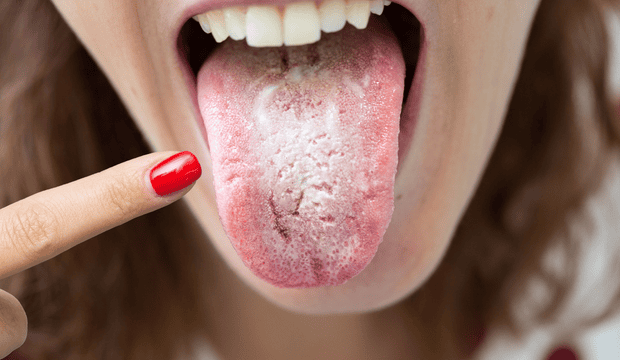
Why is my tongue white is one of the most commonly asked oral health questions, and if you have noticed a white coating, film, or patches on your tongue, you are not alone.
For most people the white tongue is harmless and temporary, caused by nothing more than bacteria and debris trapped between the tiny bumps on the tongue’s surface. But in some cases it can signal an infection, a medical condition, or even a precancerous change that deserves attention.
What Is White Tongue and Why Does It Happen
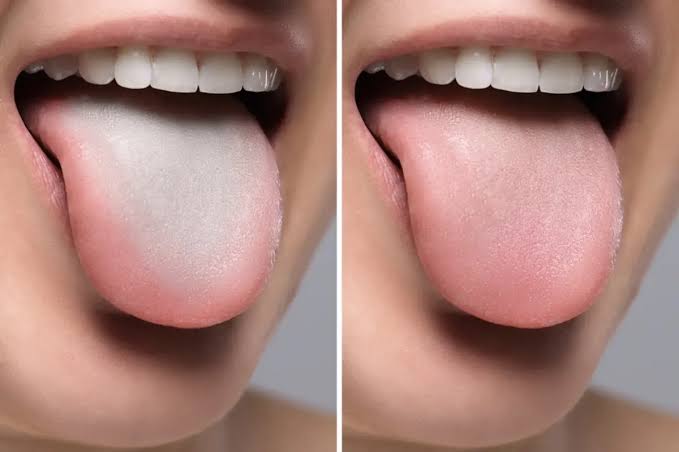
White tongue is a symptom, not a diagnosis on its own.
It describes any situation where part or all of the top surface of the tongue develops a white or grayish-white coating. The tongue’s surface is covered in tiny projections called papillae, which are normally pink and small. When these papillae become swollen or inflamed, bacteria, dead cells, food particles, and debris get trapped between them.
This trapped buildup is what creates the white appearance. Sometimes the entire tongue looks white. Other times only patches appear in specific areas such as the back, sides, or center.
Is White Tongue Always Serious
In the vast majority of cases, white tongue is not serious.
Most cases are caused by poor oral hygiene, dry mouth, dehydration, or minor lifestyle factors that are easy to correct. The white coating typically disappears within a few days once the underlying trigger is addressed.
However, white tongue can sometimes be a sign of an infection, a chronic inflammatory condition, or in rare cases a precancerous lesion. Knowing how to tell the difference is the most important thing this guide will help you do.
Can You Scrape It Off
One of the most useful tests you can do at home is to gently try to wipe the white coating with a clean cloth or tongue scraper.
If the coating scrapes off easily and the tongue underneath looks normal and pink, it is most likely a harmless buildup of bacteria and debris. If the patches cannot be scraped off, or if wiping causes redness, soreness, or bleeding underneath, that is a signal to see a healthcare provider as it may indicate a more serious condition.
The Most Common Causes of White Tongue
| Cause | Appearance | Scrapes Off? | Serious? |
|---|---|---|---|
| Poor oral hygiene | Full white or yellowish coating | Yes | No |
| Dry mouth | Thin white film, dry surface | Usually yes | No |
| Dehydration | Pale or white overall | Yes | No |
| Oral thrush | Creamy, curd-like white patches | Yes but causes bleeding | Needs treatment |
| Leukoplakia | Thick white patches, irregular | No | Monitor — can be precancerous |
| Geographic tongue | Red patches with white borders | No — it is the border | No |
| Oral lichen planus | Lacy white lines or patches | No | Monitor |
| Syphilis | White patches, usually painless | No | Yes — needs antibiotics |
| Oral cancer | White or red patch, irregular | No | Yes — urgent evaluation |
Cause 1: Poor Oral Hygiene
Why It Happens
The single most common reason for a white tongue is inadequate cleaning of the mouth.
When you do not brush, floss, and clean your tongue regularly, bacteria and food particles accumulate rapidly on the tongue’s surface. The papillae swell and trap more debris with each passing day, creating a thick white or yellowish coating that coats the entire top surface.
What It Looks Like
The coating from poor oral hygiene tends to be uniform and spread across the whole tongue. It usually comes with bad breath and may have a slightly yellowish tint if bacteria have been building up for an extended time.
How to Fix It
Brushing your tongue during your regular toothbrushing routine removes most of this buildup immediately.
Adding a tongue scraper to your daily routine makes an even bigger difference. Running a tongue scraper from back to front several times each morning removes the dense layer of bacteria that accumulates overnight. Using an antibacterial mouthwash after brushing provides an additional layer of defense.
Cause 2: Dry Mouth (Xerostomia)
What Dry Mouth Does to the Tongue
Saliva is your mouth’s natural cleaning and protection system. It continuously washes away food particles, neutralizes acids, and keeps bacterial populations under control.
When saliva production drops, bacteria are no longer being washed away efficiently. They accumulate on the tongue’s surface and between the papillae, creating a persistent white or pale coating.
Common Causes of Dry Mouth
Many different factors can cause dry mouth and in turn a white tongue:
- Sleeping with the mouth open
- Breathing through the mouth during the day
- Dehydration from not drinking enough water
- Medications including antihistamines, antidepressants, diuretics, and blood pressure drugs
- Diabetes and other metabolic conditions
- Aging and hormonal changes
- Anxiety and stress
Treatment
Drinking more water throughout the day is the simplest fix.
Chewing sugar-free gum stimulates saliva production. Mouth rinses formulated for dry mouth also help by providing temporary moisture and antibacterial support. If dry mouth is caused by a medication, speak to a doctor about possible alternatives.
Cause 3: Dehydration
Dehydration is closely linked to dry mouth but can happen even without a medical condition.
When the body is not getting enough fluids, saliva becomes thicker, less effective, and is produced in smaller quantities. The tongue may appear pale, dry, and coated in a thin white film. The coating from dehydration usually clears up quickly once fluid intake is restored.
Aim for at least eight glasses of water per day. If you are physically active, sick, or live in a hot climate, you need more.
Cause 4: Oral Thrush
What Is Oral Thrush
Oral thrush, medically called oral candidiasis, is a fungal infection caused by an overgrowth of Candida yeast inside the mouth.
Candida is normally present in the mouth in small, controlled amounts. When the balance of bacteria and yeast is disrupted, Candida multiplies rapidly and spreads across the tongue, inner cheeks, roof of the mouth, gums, and throat.
What It Looks Like
Oral thrush creates distinctive creamy white or yellowish patches that look like cottage cheese or curd on the tongue and inner cheeks.
Unlike the coating from poor oral hygiene, these patches may wipe off but leave a raw, red, or bleeding surface underneath. People with oral thrush often experience a burning or sore sensation in the mouth, loss of taste, and difficulty swallowing in more severe cases.
Who Gets Oral Thrush
Certain groups are at higher risk for oral thrush:
- Babies and young children
- Elderly people, especially those with dentures
- People who have recently taken antibiotics (which kill beneficial bacteria)
- People using inhaled corticosteroids (for asthma or other respiratory conditions)
- People with diabetes, which disrupts the body’s natural bacteria balance
- People with HIV/AIDS or other immune-suppressing conditions
- People undergoing chemotherapy or radiation therapy
Treatment
Oral thrush is treated with antifungal medications.
A doctor will typically prescribe nystatin oral rinse or clotrimazole lozenges for mild cases, applied directly in the mouth for one to two weeks. More severe cases may require oral fluconazole or intravenous antifungal treatment. Improving oral hygiene and addressing the underlying trigger (such as stopping antibiotics or adjusting inhaler technique) helps prevent recurrence.
Cause 5: Leukoplakia
What Is Leukoplakia
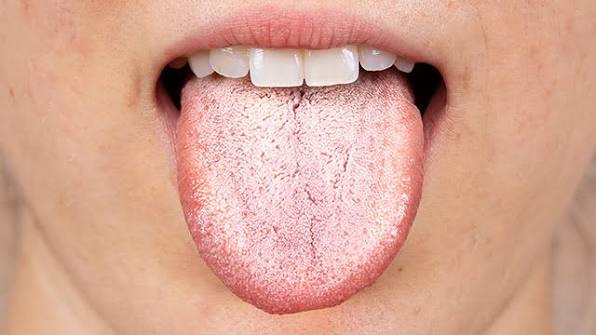
Leukoplakia means thick white patches that form on the tongue or inside the mouth and cannot be scraped or wiped off.
Unlike the coating from poor oral hygiene or oral thrush, leukoplakia patches are fixed, often slightly raised, and have an irregular texture. They do not wipe away and do not dissolve with brushing or rinsing.
What Causes It
The primary causes are tobacco use in all forms (smoking, chewing, or vaping), heavy alcohol consumption, and chronic irritation from sharp teeth, dental appliances, or ill-fitting dentures.
In some cases, leukoplakia is linked to the human papillomavirus (HPV).
Why It Matters
Leukoplakia is considered a precancerous condition in some cases.
While most leukoplakia patches are benign, a percentage of them can progress to oral cancer if left untreated and the irritants causing them are not removed. This is why persistent white patches that cannot be scraped off should always be evaluated by a dentist or doctor.
A healthcare provider will monitor the patches, may perform a biopsy to check for abnormal cells, and can remove them surgically using a scalpel, laser, or cryotherapy if there is a cancer risk.
Oral Hairy Leukoplakia
Oral hairy leukoplakia is a specific type caused by the Epstein-Barr virus (the same virus that causes mononucleosis).
It causes fuzzy, white patches with a hairy or ridged texture, most commonly on the sides of the tongue. It is most common in people with HIV/AIDS and those who are significantly immunocompromised. Unlike regular leukoplakia, oral hairy leukoplakia usually goes away on its own once the immune system condition is managed, though antiviral medication can help speed recovery.
Cause 6: Geographic Tongue
What Is Geographic Tongue
Geographic tongue is a harmless inflammatory condition that causes the tongue to develop a distinctive map-like appearance.
The surface of the tongue normally has a uniform covering of papillae. In geographic tongue, irregular patches of papillae go missing, creating smooth red or pink areas that are surrounded by slightly raised white or light-colored borders. These patches shift in location over time, which is how the condition gets its name.
Is It Dangerous
Geographic tongue is entirely benign and does not increase the risk of cancer.
It is more common in people with eczema, psoriasis, Type 1 diabetes, and reactive arthritis. The exact cause is not known. Most people with geographic tongue have no symptoms at all, though some experience mild burning or sensitivity when eating spicy, acidic, or hot foods.
Treatment
There is no cure needed for geographic tongue since it is harmless.
If it causes discomfort, avoiding food and drink triggers helps. Topical antifungal creams or anti-inflammatory rinses can soothe symptoms in people who experience recurring discomfort.
Cause 7: Oral Lichen Planus
What Is Oral Lichen Planus
Oral lichen planus is a chronic inflammatory condition of the lining of the mouth that causes distinctive lacy or mesh-like white lines, patches, or stripes on the tongue, inner cheeks, and gums.
It is thought to be an autoimmune condition where the immune system mistakenly attacks cells in the lining of the mouth. It is more common in adults between the ages of 30 and 60 and affects women more often than men.
Symptoms
The white lacy lines are the most recognizable feature, but oral lichen planus can also cause:
- Red, swollen patches that look raw or eroded
- Painful ulcers that come and go
- Burning or soreness when eating acidic, spicy, or hot foods
- Bleeding when brushing if ulcerated areas are disturbed
Treatment
There is no cure for oral lichen planus, but the condition can be managed.
Mild cases with white lacy lines and no pain often require no treatment beyond regular monitoring. More severe cases involving ulcers and pain are treated with topical corticosteroids, oral corticosteroids, or other immune-modifying medications. Tobacco and alcohol should be avoided as they worsen the condition. In rare cases, oral lichen planus has been associated with an increased risk of oral cancer, which is why ongoing monitoring is important.
Cause 8: Smoking and Tobacco Use
Tobacco is one of the most consistent contributors to white tongue across multiple mechanisms.
Smoking and tobacco use irritate and dry out the mouth, reducing saliva production and increasing bacterial growth. Long-term smokers often develop a condition called hairy tongue where the papillae grow longer than normal and trap significantly more debris, bacteria, and staining compounds.
Tobacco also dramatically increases the risk of developing leukoplakia and oral cancer. If white tongue appears in a smoker and does not resolve with improved oral hygiene, professional evaluation is essential.
Cause 9: Alcohol Consumption
Drinking more than one alcoholic beverage daily dries out the mouth and disrupts the natural microbial balance on the tongue.
Alcohol dehydrates tissues, reduces saliva flow, and creates an environment where bacteria and yeast can overpopulate more easily. Combined with tobacco, heavy alcohol use significantly raises the risk of leukoplakia and oral cancer. Reducing alcohol intake helps restore normal moisture levels and bacterial balance in the mouth.
Cause 10: Medications and Antibiotics
Antibiotics and certain other medications can cause white tongue in different ways.
Antibiotics kill both harmful bacteria and the beneficial bacteria that normally keep Candida yeast in check. Without beneficial bacteria to control it, Candida can multiply and cause oral thrush. Inhaled corticosteroids for asthma can settle in the mouth and throat and trigger fungal growth.
Other medications cause dry mouth as a side effect, which in turn leads to bacterial overgrowth and white coating. Common medication categories that cause dry mouth include antihistamines, antidepressants, anti-anxiety medications, muscle relaxers, and diuretics.
Never stop a prescribed medication without consulting your doctor first. If medication-related white tongue is a concern, your doctor may be able to adjust the dose or suggest alternatives.
Cause 11: Syphilis
Syphilis is a sexually transmitted infection that can cause white patches on the tongue, particularly during the secondary stage of the infection.
The patches from syphilis tend to be painless, which makes them easy to overlook or mistake for something benign. Unlike other causes of white patches, syphilis lesions will not go away on their own and will continue to spread if untreated. Syphilis requires treatment with the antibiotic penicillin. Anyone experiencing unexplained white patches alongside other syphilis symptoms should seek medical testing promptly.
Cause 12: Oral Cancer
Oral cancer is the rarest cause of a white tongue but the most serious one.
A white or red patch that does not heal, cannot be scraped off, appears irregular or raised, grows over time, and is accompanied by pain, numbness, or a persistent sore should be evaluated by a dentist or doctor without delay.
Risk factors for oral cancer that are also associated with white tongue include heavy tobacco use, heavy alcohol consumption, HPV infection, and prolonged sun exposure to the lips. Regular dental checkups are one of the most effective tools for early detection of oral cancer, as dentists visually inspect soft tissues including the tongue at every routine exam.
White Tongue in Specific Situations
White Tongue in the Morning
Waking up with a white tongue is extremely common and is almost always harmless.
During sleep, saliva production slows significantly. Bacteria in the mouth multiply overnight in the reduced-saliva environment and coat the tongue with a white or off-white film by morning. People who sleep with their mouth open experience this even more strongly because their tongue and mouth dry out faster.
Brushing the tongue as part of your morning routine removes most or all of the white coating immediately. If it persists after thorough brushing, a different underlying cause should be investigated.
White Tongue in Babies and Infants
White tongue in babies is almost always caused by one of two things: milk residue or oral thrush.
Milk residue from breastfeeding or formula sits on the tongue and can look very similar to oral thrush. The key difference is that milk residue wipes off easily with a clean damp cloth. Oral thrush in babies does not wipe off cleanly and leaves a red raw surface underneath.
Oral thrush in infants is treated with antifungal drops prescribed by a pediatrician. If the mother is breastfeeding, she may also need treatment to prevent the infection from passing back and forth.
White Tongue and Sore Throat
White tongue combined with a sore throat can point to strep throat, tonsillitis, or a more advanced oral thrush infection spreading toward the throat.
Strep throat often comes with white spots on the tonsils, fever, swollen lymph nodes, and significant pain when swallowing. This requires diagnosis with a throat swab and treatment with antibiotics.
White Tongue After Antibiotics
Developing a white tongue after completing a course of antibiotics is a very common experience and typically indicates oral thrush.
Antibiotics kill the beneficial bacteria that keep Candida yeast in check, allowing it to overgrow rapidly. This is why doctors sometimes recommend taking probiotics during and after antibiotic treatment to help restore bacterial balance.
How to Get Rid of White Tongue at Home
Brush Your Tongue Daily
The simplest and most effective step is cleaning your tongue every day.
Use the back of your toothbrush or a dedicated tongue scraper to sweep from the back of the tongue to the tip. Do this at least once in the morning and again before bed. A tongue scraper removes bacteria and dead cells more efficiently than a toothbrush and makes a noticeable difference within days.
Drink More Water
Staying hydrated throughout the day keeps saliva flowing and prevents the dry environment in which bacteria thrive.
Sipping water regularly is more effective than drinking large amounts in one sitting. Aim for consistent hydration across the day, and increase intake when you are sick, exercising, or in hot weather.
Use an Antibacterial Mouthwash
An antibacterial mouthwash used after brushing reduces the bacterial populations on the tongue and throughout the mouth.
Look for mouthwashes containing chlorhexidine or cetylpyridinium chloride for maximum antibacterial effect. Avoid mouthwashes with high alcohol content as they can worsen dry mouth.
Try a Saltwater Rinse
A saltwater rinse is a simple, inexpensive antibacterial home remedy.
Dissolve half a teaspoon of plain table salt in a cup of warm water and swish for 30 to 60 seconds before spitting. Salt draws fluid from swollen tissue, reduces inflammation in the papillae, and creates an environment that is inhospitable to bacteria. Do this once or twice a day while white tongue persists.
Add Probiotic Foods to Your Diet
Probiotics help restore the healthy balance of bacteria in the mouth and digestive system.
Plain yogurt, kefir, kimchi, sauerkraut, kombucha, and other fermented foods all contain live beneficial bacteria. Eating these regularly helps crowd out harmful bacteria and yeast in the mouth, especially after a course of antibiotics.
Try Oil Pulling
Oil pulling is an ancient practice of swishing a tablespoon of oil around the mouth for 15 to 20 minutes.
Coconut oil is the most commonly used oil for this purpose. Some research suggests oil pulling reduces bacterial counts in the mouth and can help with white tongue associated with poor oral hygiene. Spit the oil out after swishing and do not swallow it, then rinse thoroughly with water.
Quit Smoking and Reduce Alcohol
Removing the two most consistent irritants dramatically improves the health of the tongue and reduces white coating.
Most people who quit smoking notice improvements in oral health, taste, and tongue color within days to weeks. Reducing alcohol consumption brings similar benefits and also helps the overall microbial environment of the mouth return to balance.
When to See a Doctor About White Tongue
| See a Doctor or Dentist If | Possible Cause |
|---|---|
| White coating lasts more than two weeks | Underlying condition or infection |
| Patches cannot be scraped off | Leukoplakia, lichen planus, or cancer |
| Wiping causes redness or bleeding underneath | Oral thrush |
| White tongue with fever and sore throat | Strep throat or serious infection |
| White tongue after antibiotics | Oral thrush |
| Patches with a hairy or ridged texture | Oral hairy leukoplakia |
| Painless white patches with other STI symptoms | Syphilis |
| Irregular white or red patch that does not heal | Oral cancer screening needed |
| White tongue in a baby that does not wipe off | Oral thrush in infant |
| White tongue in someone with HIV or cancer | Immunocompromised-related infection |
How to Keep Your Tongue Healthy
Prevention is far more effective than treatment for most causes of white tongue.
Building consistent daily habits keeps the tongue clean, well-hydrated, and free from bacterial and fungal overgrowth. The core habits that matter most are brushing twice daily, cleaning between teeth with floss, using a tongue scraper every morning, drinking enough water, maintaining regular dental checkups every six months, and eating a balanced diet with plenty of fruits and vegetables.
Fruits and vegetables provide fiber that naturally cleans the mouth and antioxidants that support immune health and reduce inflammation in oral tissues.
Frequently Asked Questions (FAQs)
Why is my tongue white?
A white tongue is most commonly caused by bacteria, dead cells, and food debris getting trapped between the swollen papillae on the tongue’s surface. Poor oral hygiene, dry mouth, and dehydration are the leading causes.
Is white tongue a sign of something serious?
Most white tongue cases are harmless and temporary. However, white patches that cannot be scraped off, last more than two weeks, or come with pain, bleeding, or difficulty swallowing may indicate a more serious condition like oral thrush, leukoplakia, or oral cancer.
Can white tongue go away on its own?
Yes, in most cases. If the cause is poor oral hygiene, dry mouth, or mild dehydration, white tongue typically clears up within a few days with consistent brushing, tongue scraping, and increased water intake.
What does oral thrush look like on the tongue?
Oral thrush appears as creamy white, curd-like patches on the tongue and inner cheeks. Unlike a simple coating, thrush patches may wipe off but leave a red, sore, or bleeding surface underneath.
Why is my tongue white in the morning?
Saliva production drops during sleep, allowing bacteria to multiply overnight and coat the tongue. Sleeping with the mouth open makes it worse. Morning white tongue almost always clears up after brushing the tongue.
Can stress cause a white tongue?
Stress can indirectly contribute to white tongue by suppressing the immune system, which makes oral thrush and other infections more likely. Stress also worsens dry mouth, which creates favorable conditions for bacterial buildup.
Why is the back of my tongue white?
The back of the tongue collects the most bacteria because it is the hardest area to clean. A white back of tongue is usually caused by bacterial buildup, but it can also be a sign of postnasal drip, acid reflux, or early thrush if the coating does not clear with brushing.
Is white tongue contagious?
White tongue from poor oral hygiene or dry mouth is not contagious. However, oral thrush caused by Candida can be passed between people through close contact, and syphilis-related white patches involve a contagious infection.
How long does white tongue last?
White tongue from hygiene or dehydration typically clears within three to seven days. Oral thrush requires one to two weeks of antifungal treatment. Leukoplakia, lichen planus, and geographic tongue are chronic conditions that may persist long-term and require ongoing management.
Should I see a dentist for white tongue?
See a dentist if white tongue lasts more than two weeks, does not improve with home care, cannot be scraped off, is accompanied by pain or swelling, or if you notice any irregular patches, bleeding, or numbness in the mouth.
Conclusion
Why is my tongue white is a question that usually has a simple and reassuring answer. In the majority of cases a white tongue is the result of bacterial buildup from poor oral hygiene, reduced saliva from dry mouth, or dehydration, all of which improve quickly with basic home care.
Brushing and scraping the tongue daily, staying well hydrated, using an antibacterial mouthwash, and eating a balanced diet are enough to resolve most white tongue episodes within days.
When white tongue is caused by oral thrush, the condition is easily treated with antifungal medication. Leukoplakia, oral lichen planus, and geographic tongue require professional monitoring but are manageable.
The situations that call for prompt medical evaluation are those involving patches that cannot be scraped off, white tongue lasting more than two weeks, pain, bleeding, difficulty swallowing, or any irregular lesion that does not heal. Your tongue reflects your overall health and paying attention to changes in its color, texture, and coating is a simple but valuable habit to develop.