Why Is My Pee Sinking to the Bottom? What It Means 2026

Why is my pee sinking to the bottom of the toilet — this is a question that crosses almost everyone’s mind at some point, usually right after a confusing trip to the bathroom. You glance down, notice something heavier than usual settling at the bottom, and start wondering if it’s a red flag or just a normal body quirk.
The good news is that this happens to a lot of people, and in most cases it has a simple, harmless explanation. Urine itself doesn’t truly “sink” — what you’re seeing is sediment, crystals, or concentrated waste settling because the urine is denser than the toilet water.
What Does It Actually Mean When Urine Sinks to the Bottom

Urine is mostly water, but it also carries dissolved waste, minerals, and salts.
When those dissolved substances become concentrated enough, the urine becomes denser than the water already sitting in the toilet bowl.
That density difference is what makes it look like the urine is “sinking” instead of mixing evenly.
Normal Urine vs Sinking Urine
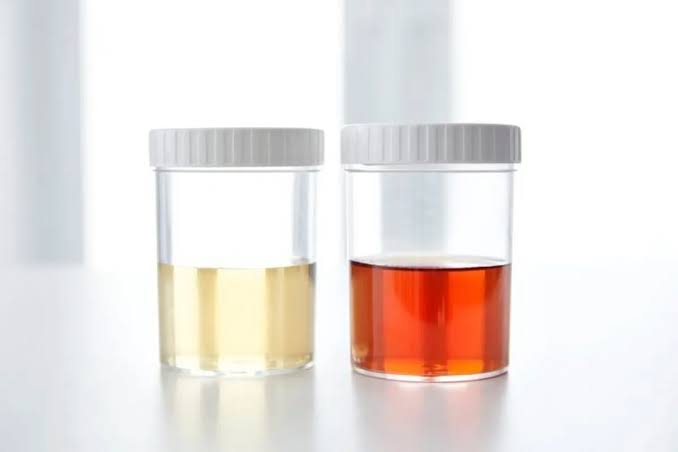
Healthy urine is usually pale yellow, clear, and mixes into toilet water within seconds.
When urine looks heavy, cloudy, or leaves visible particles behind, something in its composition has changed.
That change is rarely dangerous on its own, but it’s worth understanding the “why” behind it.
| Urine Appearance | What It Usually Means |
|---|---|
| Clear, pale yellow, mixes instantly | Normal hydration |
| Slightly darker, settles a little | Mild dehydration |
| Cloudy with white particles | Crystals, mucus, or discharge |
| Thick sediment, strong odor | Possible infection |
| Sediment with blood or pain | Needs medical evaluation |
The Science Behind Urine Density
Doctors measure this using a test called urine specific gravity.
Plain water has a specific gravity of 1.000, and normal urine usually falls between 1.005 and 1.030.
Why Specific Gravity Matters
The higher the number, the more waste and minerals are packed into a smaller amount of water.
That’s exactly the situation that causes urine to feel heavier and settle at the bottom of the bowl.
First-morning urine almost always sits at the higher end of this range, which explains why sinking pee is more common right after waking up.
| Specific Gravity Reading | Hydration Status |
|---|---|
| 1.001 – 1.005 | Very diluted, overhydrated |
| 1.010 – 1.020 | Well-hydrated, optimal range |
| 1.025 – 1.030 | Concentrated, common in mornings |
| Above 1.030 | Significantly concentrated, monitor closely |
Why Mornings Make It Worse
Many people only notice sinking urine first thing in the morning and assume something is seriously wrong.
In reality, your kidneys conserve water overnight while you sleep, since you’re not drinking anything for several hours.
That overnight water-saving process concentrates your urine, making it denser and more likely to settle.
Morning vs Evening Urine Comparison
| Time of Day | Typical Urine Appearance | Reason |
|---|---|---|
| First thing in the morning | Darker, denser, more likely to sink | Overnight water conservation |
| Mid-morning after breakfast | Lighter, mixes more easily | Fluids and food rehydrate the body |
| Evening after a full day of drinking | Pale yellow, clear | Consistent hydration throughout the day |
Once you eat and drink normally, the same urine usually becomes lighter and blends into the toilet water without leaving residue.
Dehydration: The Most Common Cause
Dehydration is, by far, the number one reason people notice their pee sinking to the bottom.
When fluid intake drops, your kidneys hold onto water and concentrate everything else, including salts, minerals, and waste products.
Signs You Might Be Dehydrated
- Dark yellow or amber-colored urine
- Dry mouth or chapped lips
- Headache or low energy
- Dizziness when standing up
- Infrequent urination
Drinking more water throughout the day is usually enough to clear this up within a few hours.
Urinary Crystals and Sediment
Crystals form naturally when minerals like calcium, oxalate, or uric acid become too concentrated in urine.
These tiny particles are often what create that grainy or cloudy sediment you notice settling at the bottom of the bowl.
Common Triggers for Crystal Formation
- Not drinking enough water
- A diet high in salt or animal protein
- Certain medications and supplements
- Early-stage kidney stone formation
Occasional crystals are usually nothing to worry about, but if they keep showing up, it’s worth mentioning to a doctor.
Urinary Tract Infections (UTIs)
A UTI happens when bacteria enter the urinary tract and cause inflammation.
This inflammation introduces white blood cells, bacteria, and pus into the urine, all of which add weight and cloudiness.
Typical UTI Symptoms
| Symptom | Description |
|---|---|
| Burning sensation | Pain or stinging during urination |
| Frequent urge | Needing to pee often, even with little output |
| Cloudy urine | Sediment or white particles settling |
| Strong odor | Noticeably stronger smell than usual |
| Pelvic discomfort | Pressure or ache in the lower abdomen |
If sediment shows up alongside any of these symptoms, it’s a strong signal to get tested rather than wait it out.
Kidney Stones
Kidney stones form when minerals crystallize and harden inside the kidneys.
As small fragments break off and pass through the urinary tract, they can show up as visible grit or sediment in the toilet.
Warning Signs of Kidney Stones
- Sharp pain in the back or side
- Pink, red, or brown-tinged urine
- Nausea or vomiting
- Persistent urge to urinate
- Gritty or sandy sediment
Even very small stones can noticeably change how your urine looks and behaves once it hits the water.
Protein in the Urine (Proteinuria)
Proteinuria happens when protein that should stay in the bloodstream leaks into the urine instead.
This often creates foam, bubbles, or a thicker residue that settles differently than typical sediment.
Conditions Linked to Proteinuria
- Uncontrolled diabetes
- High blood pressure
- Early kidney disease
- Intense physical exercise
Persistent foamy or sediment-heavy urine tied to protein leakage should always be evaluated by a healthcare provider.
Semen, Discharge, and Other Non-Urinary Causes
Sometimes what’s sinking in the bowl has nothing to do with your urinary tract at all.
In men, residual semen after ejaculation can mix with urine and settle at the bottom.
In women, vaginal discharge can occasionally appear as cloudiness or light sediment after urinating.
This type of sediment is usually harmless and disappears within one or two bathroom visits.
Diet and Lifestyle Factors
What you eat and drink plays a bigger role in urine appearance than most people realize.
Foods and Habits That Affect Urine
| Factor | Effect on Urine |
|---|---|
| High-sodium meals | Increases mineral concentration |
| Excess caffeine or alcohol | Promotes dehydration |
| Vitamin or mineral supplements | Can add visible residue |
| Low water intake | Concentrates waste and sediment |
| High-protein diets | May contribute to crystal formation |
Adjusting your diet for even a day or two can noticeably change how your urine looks and settles.
Is It Dangerous If Your Pee Sinks to the Bottom

In the vast majority of cases, this is not dangerous on its own.
Most instances trace back to simple dehydration, mild crystal formation, or normal morning concentration.
When It’s Usually Harmless
- It happens mainly in the morning
- There’s no pain, burning, or fever
- It improves after drinking more water
- It’s an occasional occurrence, not a daily pattern
When You Should See a Doctor
- Persistent sediment for more than a few days
- Pain or burning during urination
- Fever, chills, or back pain
- Visible blood in the urine
- Unexplained weight loss alongside urinary changes
These symptoms together point toward infection or a more serious underlying issue that needs proper testing.
How Doctors Diagnose the Cause
If sediment persists, a doctor will typically start with a simple urinalysis.
Common Diagnostic Steps
- Urine specific gravity test
- Urine culture to check for bacteria
- Imaging like ultrasound for kidney stones
- Blood tests to check kidney function
These tests usually take less than a day and give a clear answer about what’s actually happening inside your body.
How to Improve Urine Clarity Naturally
Most causes of sinking, sediment-heavy urine respond well to simple lifestyle adjustments.
Practical Tips That Help
- Drink water consistently throughout the day, not just in large amounts at once
- Reduce excess salt and processed food intake
- Limit caffeine and alcohol, especially in the evening
- Urinate regularly instead of holding it for long periods
- Practice good hygiene to lower infection risk
Hydration alone resolves the issue for a large percentage of people within a single day.
Using Urine Color as a Hydration Guide
Urine color is one of the easiest ways to track hydration at home without any special tools.
Urine Color Reference Table
| Color | Hydration Level |
|---|---|
| Clear to very pale yellow | Well-hydrated |
| Pale to medium yellow | Normal, healthy range |
| Dark yellow | Mild dehydration |
| Amber or honey-colored | Significant dehydration |
| Brown or red-tinged | Seek medical attention |
Checking this color a few times a day gives a quick, practical sense of whether sediment is hydration-related.
Common Myths About Sinking Urine
A lot of unnecessary worry comes from myths rather than facts.
Myth: Sediment Always Means Kidney Disease
This is usually false, since dehydration and diet are far more common explanations.
Myth: Cloudy Urine Always Signals Infection
Crystals and concentrated urine cause cloudiness just as often as infections do.
Myth: It’s Fine to Ignore Repeated Changes
Occasional sediment is normal, but a pattern that doesn’t improve with hydration should always be checked.
Real-Life Pattern: Why It Feels More Noticeable Lately
Once someone notices sinking urine one time, they tend to start checking every single time afterward.
This heightened attention can make the issue feel more frequent than it actually is, even when nothing has physically changed.
Tracking it for a few days alongside your water intake usually reveals a clear hydration-based pattern rather than a worsening condition.
Quick Comparison: All Major Causes at a Glance
| Cause | Pain Involved | Resolves With Hydration | Needs Medical Care |
|---|---|---|---|
| Dehydration | No | Yes | No |
| Urinary crystals | Rarely | Sometimes | If recurring |
| UTI | Yes | No | Yes |
| Kidney stones | Yes | No | Yes |
| Proteinuria | No | No | Yes |
| Semen or discharge | No | N/A | No |
Age and Gender Differences in Urine Sediment
Sediment doesn’t always show up the same way across different age groups.
Older adults often have less efficient kidneys, so concentrated urine and sediment can appear more frequently even with decent hydration.
How Sediment Patterns Differ
- Children tend to show sediment mainly from dehydration or fever
- Adult men may notice sediment from semen residue after intercourse
- Adult women may see sediment linked to vaginal discharge or UTIs
- Older adults may experience sediment from reduced kidney concentrating ability
Pregnant women also see urinary changes often, since increased fluid needs and a higher UTI risk both affect urine appearance.
Why Pregnancy Changes Urine Appearance
- Hormonal shifts increase urinary tract sensitivity
- Higher blood volume changes kidney filtration
- Increased UTI risk during pregnancy
- Greater need for consistent hydration
Anyone pregnant who notices persistent sediment should mention it at their next prenatal visit rather than waiting.
Medications and Supplements That Affect Urine Sediment
Certain medications change how urine looks well before any underlying condition develops.
Common Culprits
| Medication or Supplement | Effect on Urine |
|---|---|
| Diuretics | Increase urination, can concentrate remaining urine |
| Vitamin B supplements | Add bright color, sometimes residue |
| Calcium or vitamin D supplements | May contribute to crystal formation |
| Certain antibiotics | Can change urine color and clarity temporarily |
| Sulfa-based drugs | Known to occasionally cause crystal sediment |
If sediment started right after beginning a new medication, that timing itself is a useful clue for your doctor.
Hydration Habits That Prevent Sediment Long-Term
Building a few consistent habits prevents most sediment-related concerns before they start.
Daily Habits Worth Building
- Drink water steadily across the day instead of all at once
- Keep a water bottle visible as a reminder
- Add hydrating foods like cucumber, watermelon, or soup
- Reduce sodium gradually rather than all at once
- Pay attention to thirst cues instead of ignoring them
Small, consistent changes tend to outperform short bursts of “drinking a lot of water” right before bed.
Why Timing of Water Intake Matters
Drinking most of your water early in the day supports steady kidney function without disrupting sleep.
Spreading intake evenly also prevents the sharp concentration spikes that cause visible sediment the next morning.
When Sediment Returns Even After Hydrating
Sometimes people drink plenty of water yet still notice sediment showing up again and again.
This pattern often points toward something beyond simple hydration, like recurring crystals, a low-grade infection, or a developing kidney stone.
Questions to Ask Yourself
- Has this been happening for more than a week?
- Am I also experiencing any pain or burning?
- Has my diet changed recently?
- Am I taking any new medications or supplements?
Answering these honestly helps determine whether home adjustments are enough or whether it’s time to call a doctor.
How to Track Sediment at Home Before Seeing a Doctor
Before booking an appointment, a few days of simple tracking can clarify what’s actually going on.
This kind of self-monitoring helps you describe symptoms accurately if you do end up needing medical care.
A Simple 3-Day Tracking Method
- Note the time of day each time you notice sediment
- Record how much water you drank that day
- Write down any pain, burning, or odor
- Take a quick photo if the sediment looks unusual
Patterns tend to emerge quickly once you compare hydration levels against how often sediment appears.
What an At-Home Urine Test Strip Can Tell You
Drugstore urine test strips can check for several markers in seconds without needing a lab visit.
| Test Strip Marker | What It Suggests If Abnormal |
|---|---|
| Leukocytes | Possible infection or inflammation |
| Nitrites | Bacterial presence, often linked to UTIs |
| Protein | Possible kidney strain or proteinuria |
| Blood | Possible stones, infection, or irritation |
| Specific gravity | Hydration status and urine concentration |
If any of these markers come back abnormal alongside visible sediment, that’s a reliable sign to follow up with a healthcare provider.
Limitations of At-Home Testing
Home test strips are useful for a general picture, but they can’t replace a proper lab urinalysis or imaging.
False positives and negatives happen, especially if the strip is expired or used incorrectly.
Treat at-home results as a helpful clue, not a final diagnosis, especially if symptoms continue.
The Role of Exercise and Sweating
Intense exercise and heavy sweating remove fluid from the body just as quickly as skipping water altogether.
Athletes and anyone working out in hot conditions often notice darker, sediment-heavy urine simply from fluid loss through sweat.
Tips for Active People
- Drink water before, during, and after exercise
- Replace electrolytes during longer workouts
- Check urine color right after intense activity
- Avoid relying on thirst alone as a hydration signal
Rehydrating properly after a workout usually clears up exercise-related sediment within an hour or two.
Frequently Asked Questions (FAQs)
The questions below cover the most common concerns people have about sinking, sediment-heavy, or cloudy urine.
Why is my pee sinking to the bottom of the toilet?
This usually happens because sediment, crystals, or concentrated waste are present in the urine. Dehydration is the most common underlying cause.
Is it normal for urine to sink in the morning?
Yes, morning urine is naturally more concentrated due to overnight water conservation. It typically becomes lighter after drinking fluids.
Can dehydration really cause urine to sink?
Yes, dehydration concentrates minerals and waste in urine, making it denser. Increasing water intake usually resolves it within hours.
Does cloudy, sinking urine mean I have a UTI?
Not always, since dehydration and crystals can also cause cloudiness. A UTI is more likely if burning, urgency, or odor are also present.
Can kidney stones cause sediment in urine?
Yes, small stone fragments or crystals can settle at the bottom of the toilet. Pain in the back or side often accompanies this cause.
Should foamy or bubbly urine worry me?
Occasional foam from fast urination is usually harmless. Persistent foam may indicate protein in the urine and should be checked.
How long does sediment from dehydration usually last?
It often clears up within a few hours of proper hydration. If it persists for days, another cause may be involved.
When should I actually see a doctor about this?
See a doctor if sediment is paired with pain, fever, blood, or lasts more than a few days. These combinations suggest infection or stones.
Can diet alone cause my urine to sink?
Yes, high-sodium or high-protein diets can increase mineral concentration in urine. Reducing these foods often improves clarity quickly.
Is sinking urine ever caused by something other than the urinary tract?
Yes, residual semen or vaginal discharge can occasionally mix with urine. This is generally harmless and resolves on its own.
Conclusion
So, why is my pee sinking to the bottom? In most cases, it comes down to dehydration, mineral concentration, or normal morning urine density rather than anything dangerous.
Sediment, crystals, and cloudiness can look alarming in the moment, but they’re often your body’s way of showing that it needs more water.
That said, sediment paired with pain, fever, blood, or symptoms that don’t improve with hydration is a clear signal to see a doctor.
Tracking patterns over a few days, staying consistently hydrated, and watching for warning signs gives you the clearest picture of what’s really going on.
When in doubt, a quick urinalysis can settle the question for good and offer real peace of mind.