Why Is My Cat So Vocal? Attention or Health Issue? 2026
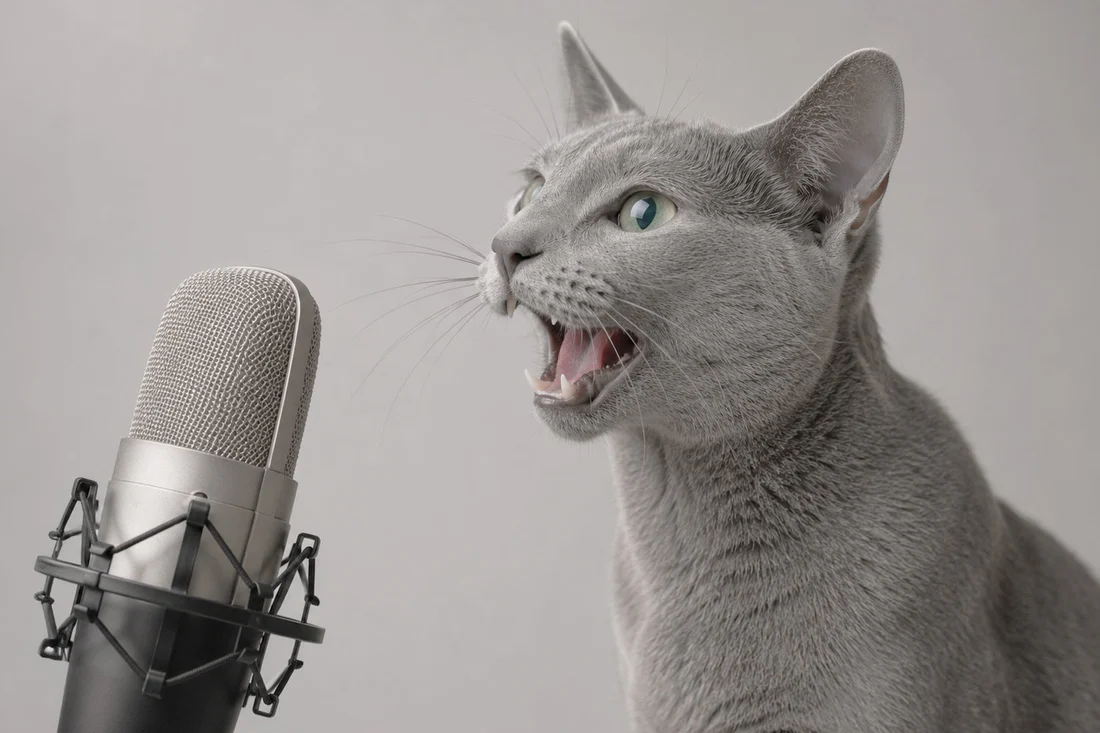
Why is my cat so vocal is one of the most common questions cat owners search for when their feline suddenly won’t stop talking. Cats communicate through meows, chirps, trills, and yowls, and each sound usually has a purpose behind it.
Most of the time, a vocal cat is simply asking for food, attention, or playtime. But sometimes, increased vocalization can point to stress, boredom, or an underlying health problem that needs a vet’s attention.
Types of Sounds Cats Make and What They Mean
The Standard Meow
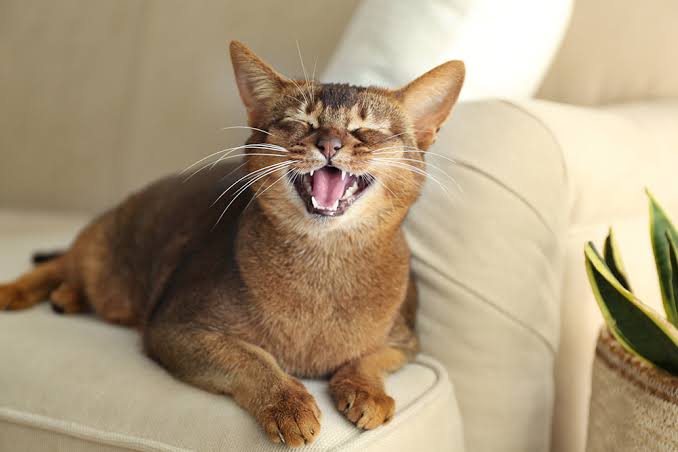
The classic meow is the most flexible sound in a cat’s vocabulary. It can mean hello, feed me, pet me, or let me out, depending on the situation.
Chirps and Trills
Chirps and trills are short, happy sounds often used as a greeting. Mother cats also use trills to call their kittens, so it’s a naturally affectionate sound.
Yowling
Yowling is a longer, louder sound than a regular meow. It often signals distress, pain, mating behavior, or confusion in senior cats.
Growling and Hissing
These sounds are defensive rather than conversational. They usually appear when a cat feels threatened, scared, or territorial toward another animal.
Chattering
Chattering happens when a cat watches prey, like birds through a window. It’s believed to be an instinctive reaction tied to hunting behavior.
| Sound Type | Typical Meaning | When You’ll Hear It |
|---|---|---|
| Meow | General communication | Anytime, mostly to humans |
| Chirp/Trill | Friendly greeting | When you enter a room |
| Yowl | Distress or mating call | Pain, confusion, heat cycles |
| Growl/Hiss | Warning or fear | Conflict with pets or strangers |
| Chatter | Hunting instinct | Watching birds or prey |
| Purr | Contentment or pain | Resting, being petted, or unwell |
Understanding Why Cats Vocalize in the First Place
Cats Use Their Voice to Communicate With You
Cats rarely meow at other cats. Adult cats mostly meow to communicate with humans, which is a behavior they learned as kittens calling for their mother.
This means that when your cat meows at you, it has learned that vocalizing gets your attention. Over time, this becomes their main tool for “talking” to you.
Every Cat Has a Different Baseline
Some cats are naturally quiet, while others are constant chatterboxes. Knowing your own cat’s normal vocal pattern helps you notice when something changes.
If a normally quiet cat suddenly becomes vocal, or a talkative cat goes silent, both changes are worth paying attention to.
Cat Vocalization by Life Stage
Kittens
Kittens meow mainly to call their mother when they’re cold, hungry, or separated. This instinct fades as they grow, but the habit often carries over toward humans instead.
Adult Cats
Adult cats develop unique meow patterns specifically for their owners. Many learn to use different tones for different requests, almost like a personal vocabulary.
Senior Cats
Older cats may become more vocal due to cognitive changes, pain, or sensory decline. Night-time yowling is especially common in cats over twelve years old.
Territorial and Multi-Cat Household Triggers
Conflict With Other Pets
Cats may vocalize more when they feel their space is being invaded by another animal. This is common in homes with multiple cats or a new dog.
Introducing a New Pet
Bringing home a new cat or dog can temporarily increase vocalization in your resident cat. Gradual introductions usually help reduce this stress-related chatter.
Outdoor Cats Passing By
Indoor cats sometimes react vocally to outdoor cats seen through windows. This territorial response can sound like yowling or aggressive chattering.
Common Myths About Vocal Cats
Myth: All Vocal Cats Are Just Being Dramatic
While some meowing is simply personality, dismissing all vocal changes as drama can cause you to miss real medical warning signs.
Myth: Only Old Cats Get Health-Related Vocalization
Cats of any age can develop pain, anxiety, or illness that leads to excessive meowing. Age increases the risk, but it isn’t the only factor.
Myth: Ignoring a Meowing Cat Always Works
Ignoring works for learned attention-seeking behavior, but it won’t stop meowing caused by pain, hunger, or a genuine medical issue.
Common Breeds Known for Being Vocal
Siamese and Oriental Breeds
Siamese cats are famous for being extremely vocal and demanding. They often “talk” throughout the day and expect a response from their owners.
Other Chatty Breeds
Bengals, Sphynx, Tonkinese, and Maine Coons are also known for being more talkative than average domestic cats. Mixed breeds with these bloodlines can inherit the trait too.
| Breed | Vocal Tendency | Typical Sound |
|---|---|---|
| Siamese | Very High | Loud, demanding meows |
| Bengal | High | Chirps and trills |
| Sphynx | High | Frequent meowing |
| Maine Coon | Moderate-High | Soft chirps and trills |
| Tonkinese | High | Persistent meowing |
| Domestic Shorthair | Low-Moderate | Occasional meows |
Normal, Everyday Reasons Your Cat Is So Vocal
Hunger or Thirst
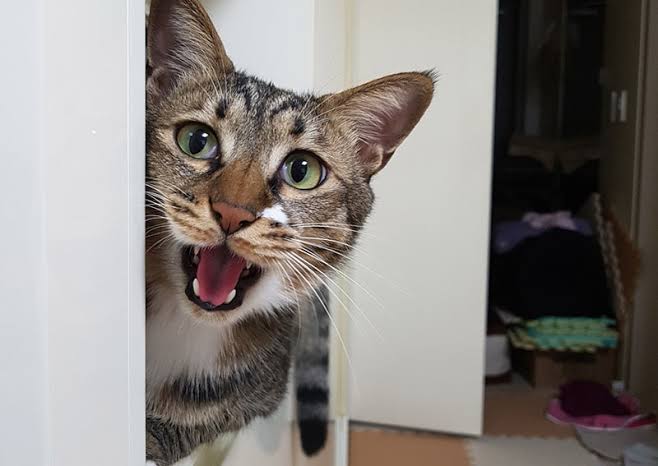
Many cats learn to meow the moment you walk into the kitchen. They associate the sound with getting fed faster, so the behavior becomes a habit.
An empty water bowl or dirty food dish can also trigger vocal demands until the issue is fixed.
Seeking Attention
Cats are social animals, even if they don’t always show it. A cat left alone for long hours may meow simply because it wants company, play, or affection.
Greeting Behavior
Some cats meow every time you walk through the door or enter a room. This is simply their way of saying hello and acknowledging your presence.
Wanting to Be Let In or Out
Cats that go outdoors often meow at doors and windows to signal they want access. This is especially common during a transition to indoor-only living.
Presenting Toys or Wanting to Play
Younger cats may meow while carrying a toy to their favorite person, inviting them to play. This behavior usually appears more in kittens and young adult cats.
Behavioral and Environmental Causes
Boredom and Lack of Stimulation
Cats that don’t get enough physical or mental exercise may vocalize simply out of boredom. This is more common in indoor cats without enrichment.
Puzzle feeders, climbing towers, and daily play sessions can significantly reduce boredom-related meowing.
Stress or Anxiety
New pets, moving homes, changes in routine, or unfamiliar visitors can all trigger stress-related vocalization. Cats often meow more when they feel unsettled.
Learned Behavior
If meowing has worked to get food or attention in the past, your cat will keep repeating it. This is called learned or reinforced behavior.
Nighttime Activity
Cats are naturally more active during dawn and dusk hours. Nighttime meowing is often linked to this internal body clock rather than any problem.
Health-Related Reasons Behind Excessive Vocalization
Pain or Discomfort
A cat in pain may become more vocal, especially with sharp or sudden cries. Arthritis, injuries, or dental pain are common physical triggers.
Hyperthyroidism
Overactive thyroid glands are a leading medical cause of excessive meowing in older cats. This condition often comes with weight loss and increased appetite.
Kidney Disease
Cats with kidney disease may become more restless and vocal than usual. Increased thirst and urination are typically seen alongside this change.
Urinary Issues
Some cats meow while using the litter box if urination is painful or difficult. This can signal a urinary tract infection or blockage that needs urgent care.
Cognitive Decline in Senior Cats
Older cats may develop confusion or disorientation similar to dementia in humans. This often leads to loud, repetitive meowing, especially at night.
Vision or Hearing Loss
Cats that lose their sight or hearing often meow more loudly and frequently. They may be trying to locate themselves or call out for reassurance.
| Health Cause | Common Signs | Action Needed |
|---|---|---|
| Hyperthyroidism | Weight loss, increased appetite | Vet blood test |
| Kidney disease | Increased thirst, restlessness | Vet examination |
| Urinary issues | Straining, crying in litter box | Immediate vet visit |
| Cognitive decline | Night yowling, confusion | Vet consultation |
| Vision/hearing loss | Disorientation, loud meowing | Vet checkup |
| Pain or arthritis | Reduced mobility, sudden cries | Vet evaluation |
Mating and Hormonal Vocalization
Cats in Heat
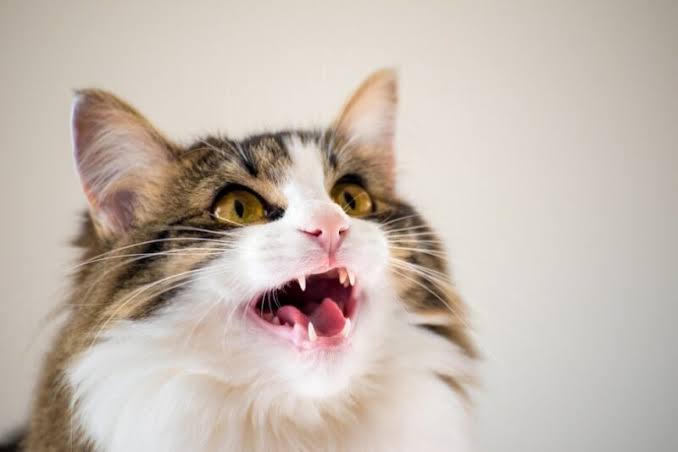
Unspayed female cats can become extremely vocal during heat cycles. This is often described as loud, prolonged yowling known as caterwauling.
Unneutered Males
Male cats that sense a female in heat nearby may also vocalize more than usual. Spaying or neutering typically resolves this type of vocalization.
How to Tell If It’s Behavioral or Medical
Look for Sudden Changes
A gradual increase in chatter is usually behavioral, while a sudden and dramatic change often points to a medical cause. Track when the vocalization started.
Check for Other Symptoms
Watch for appetite changes, weight loss, litter box issues, or lethargy alongside the meowing. These combined signs suggest a health problem rather than habit.
Keep a Simple Log
Write down when your cat vocalizes and what happens right before or after. Patterns can help you and your vet pinpoint the exact cause faster.
Practical Ways to Manage a Vocal Cat
Stick to a Routine
Cats feel more secure with consistent feeding, playtime, and sleep schedules. A predictable routine can reduce anxiety-driven meowing significantly.
Avoid Reinforcing the Behavior
Try not to feed, pet, or respond immediately when your cat meows demandingly. Instead, reward quiet moments to slowly shift the behavior.
Increase Daily Enrichment
Interactive toys, scratching posts, and window perches give your cat an outlet for energy. Bored cats tend to vocalize far less once properly stimulated.
Use Automatic Feeders
If your cat meows for food at odd hours, an automatic feeder can remove you from the equation. Your cat will start watching the feeder instead of crying at you.
Schedule a Vet Visit
If vocalization changes suddenly or comes with other symptoms, a full veterinary exam is the safest next step. Blood work can rule out thyroid or kidney issues quickly.
| Solution | Best For | Difficulty |
|---|---|---|
| Routine feeding schedule | Hunger-based meowing | Easy |
| Automatic feeder | Early morning meowing | Easy |
| Daily play sessions | Boredom and excess energy | Easy |
| Ignoring demanding meows | Learned behavior | Moderate |
| Vet checkup and bloodwork | Sudden or unexplained changes | Requires professional help |
Diet and Vocalization: Is There a Connection
Hunger-Driven Meowing
Cats on a strict feeding schedule may meow persistently as mealtime approaches. Switching to smaller, more frequent meals can sometimes reduce this pattern.
Diet Changes and Weight Management
Cats placed on a weight loss diet may vocalize more due to hunger. High-fiber, satiety-focused foods can help them feel fuller without extra calories.
Food Puzzle Feeders
Puzzle feeders slow down eating and add mental stimulation at the same time. Many owners notice a reduction in demanding meows once puzzle feeders are introduced.
Indoor vs Outdoor Cats and Vocal Differences
Indoor-Only Cats
Indoor cats rely heavily on meowing since it’s their main way to interact with humans throughout the day. Lack of outdoor stimulation can also increase boredom-related chatter.
Indoor-Outdoor Cats
Cats with outdoor access often meow specifically at doors and windows. This vocal pattern usually disappears once they’re let outside or brought back in.
Transitioning to Indoor-Only Living
Cats being transitioned from outdoor access to fully indoor living may go through a vocal adjustment period. Patience and enrichment can help ease this transition smoothly.
When Excessive Meowing Becomes an Emergency
Watch for Red Flag Symptoms
Straining in the litter box, sudden lethargy, vomiting, or loss of appetite alongside vocal changes can indicate a serious problem. These situations need prompt veterinary attention.
Don’t Delay Urinary Blockages
Male cats especially can develop life-threatening urinary blockages. Loud, distressed meowing near the litter box should never be ignored.
The Role of Genetics and Personality
Inherited Traits
Just like humans, cats inherit personality traits from their parents. A chatty mother cat often produces kittens that grow up to be equally vocal.
Individual Personality Differences
Even within the same breed or litter, some cats will always be quieter than their siblings. Personality plays just as large a role as genetics.
Environment Shapes Behavior Too
A stimulating environment where vocalizing is rewarded with attention tends to produce more talkative cats. Quieter households often raise cats that vocalize less overall.
Seasonal and Weather-Related Vocal Changes
Warmer Months and Mating Season
Unspayed and unneutered cats often become more vocal during spring and summer mating seasons. This is a natural hormonal response tied to breeding cycles.
Weather Confinement
Cats kept indoors more during extreme heat or cold may vocalize out of restlessness. Extra playtime and enrichment can help offset this seasonal boredom.
What Your Vet May Check During an Exam
Physical Examination
Your vet will check for signs of pain, weight changes, dental issues, and mobility problems. This basic exam often reveals the first clues behind excessive vocalization.
Bloodwork and Urine Tests
Bloodwork can detect thyroid issues and kidney function problems. A urine test helps rule out infections or crystals that cause painful urination.
Behavioral Assessment
If physical causes are ruled out, your vet may discuss behavioral triggers like stress, boredom, or environmental changes. This helps create a targeted management plan.
Tips to Strengthen Communication With Your Cat
Learn Their Unique Sounds
Spend time noticing the difference between your cat’s hungry meow, greeting chirp, and distressed yowl. Over time, you’ll naturally understand their needs faster.
Respond With a Calm Tone
Speaking softly back to your cat can be reassuring and may reduce anxious vocalization. Cats often respond well to gentle, consistent voices.
Reward Positive Interactions
Give attention, treats, or playtime when your cat is calm rather than when they’re demanding. This helps shift their behavior toward quieter communication over time.
Frequently Asked Questions (FAQs)
Why is my cat so vocal all of a sudden?
A sudden increase usually points to stress, boredom, or an underlying health issue. It’s best to monitor for other symptoms and consult a vet if it continues.
Is it normal for cats to meow a lot?
Yes, some breeds like Siamese are naturally chatty by nature. However, any dramatic change from their normal pattern is worth investigating.
Can hunger really make my cat this vocal?
Yes, many cats learn that meowing near mealtime gets a faster response. This is one of the most common everyday causes of vocalization.
Does old age make cats more vocal?
Yes, senior cats often vocalize more due to cognitive decline, vision loss, or hearing loss. It can also relate to arthritis or thyroid problems.
Should I ignore my cat’s meowing?
Ignoring demanding meows for non-urgent needs can help reduce learned behavior over time. Never ignore sudden or distressed vocalization.
Can stress cause excessive meowing in cats?
Yes, changes in environment, new pets, or moving homes can trigger stress-related vocalization. Cats often calm down once routines stabilize again.
What health conditions cause a cat to meow more?
Hyperthyroidism, kidney disease, urinary issues, and dental pain are common medical causes. A vet visit can rule these out with a simple exam.
Are certain cat breeds more vocal than others?
Yes, Siamese, Bengal, Sphynx, and Tonkinese breeds are known for being especially talkative. Mixed breeds with these lines may also be more vocal.
How can I calm down a vocal cat?
Regular play, a consistent routine, and enrichment toys can reduce excess vocalization. Avoid rewarding demanding meows with immediate attention.
When should I take my vocal cat to the vet?
Take your cat to the vet if vocalization changes suddenly or comes with other symptoms. Early diagnosis makes treatment easier and faster.
Conclusion
So, why is my cat so vocal? In most cases, it comes down to normal communication, breed personality, hunger, or a simple desire for attention. Cats are expressive animals, and meowing is their primary way of connecting with the people they trust.
However, a sudden or dramatic change in vocal behavior should never be brushed aside. Conditions like hyperthyroidism, kidney disease, and urinary problems often show up first as increased meowing, long before other symptoms appear.
The best approach is simple: observe your cat’s patterns, address everyday needs like food, play, and routine, and schedule a vet visit if anything feels off. Understanding your cat’s voice is one of the most rewarding parts of being a pet parent, and it strengthens the bond you share for years to come.