Why Is My Car Smoking? White, Blue, or Black Smoke 2026
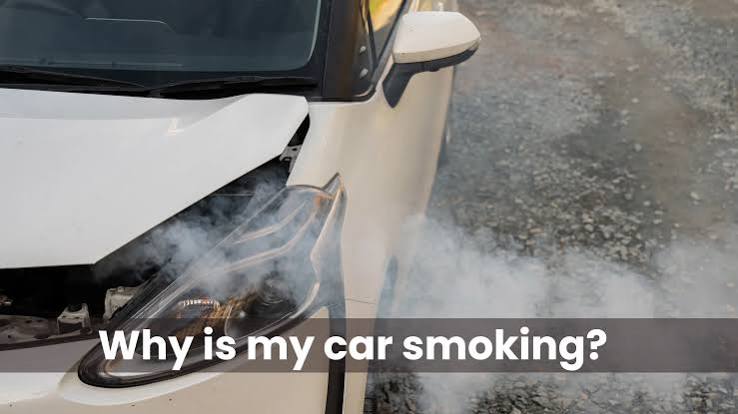
Why is my car smoking? It’s one of the most alarming things you can see while driving, and understandably, most people panic the moment they spot it.
The good news is that smoke color is one of the best diagnostic clues your car can give you. White, blue, and black smoke each point to very different problems, ranging from harmless condensation to a serious head gasket failure.
Why Is My Car Smoking? The Short Answer
In most cases, smoke from your car means one of three things is happening. Either coolant, oil, or excess fuel is burning somewhere it shouldn’t be.
The color of the smoke tells you which of these three fluids is involved. That’s why identifying the exact shade matters more than most drivers realize.
A small amount of thin white vapor on a cold morning is usually harmless. Thick, persistent smoke of any color, however, is a signal to stop and investigate.
Quick Reference: What Each Smoke Color Means
Before diving into details, this table gives you a fast overview of the most common smoke colors and their likely causes.
| Smoke Color | Likely Cause | Urgency Level |
|---|---|---|
| Thin white (cold start) | Condensation/water vapor | Normal, no action needed |
| Thick white | Coolant burning, head gasket | High, stop driving |
| Blue or gray | Oil burning in combustion chamber | Medium to high |
| Black | Fuel/air mixture too rich | Medium |
| Gray | Oil leak, PCV valve, or turbo issue | Medium to high |
Use this table as a starting point, then read the relevant section below for a full breakdown of causes and fixes.
Why Is My Car Smoking White? Full Breakdown
White smoke is the most common type drivers report, and it isn’t always bad news. Context and thickness matter more than the color alone.
Thin White Smoke on Startup
If you only see a light haze for a minute or two after starting your car, this is almost always condensation. It’s completely normal, especially in cold weather.
Water naturally collects inside the exhaust system overnight. Once the engine warms up, that water evaporates and disappears as harmless steam.
Thick, Persistent White Smoke
Thick white smoke that doesn’t clear up, especially once the engine is warm, is a different story. This usually points to coolant leaking into the combustion chamber.
A blown head gasket is the most common cause of this problem. Other possibilities include a cracked cylinder head or a damaged engine block.
This type of smoke often comes with a sweet smell, similar to maple syrup. That smell is a strong clue that antifreeze is involved.
What to Do About White Smoke
If the white smoke is thin and disappears quickly, you can continue driving normally. No repair is needed for simple condensation.
If it’s thick and lingers, pull over as soon as it’s safe and shut off the engine. Continuing to drive with a coolant leak can cause severe overheating damage.
Why Is My Car Smoking Blue? Full Breakdown
Blue or bluish-gray smoke almost always points to one specific issue: your engine is burning oil somewhere it shouldn’t be.
Common Causes of Blue Smoke
Worn piston rings are one of the most frequent culprits, especially in higher-mileage vehicles. When the rings wear down, oil can slip past them into the combustion chamber.
Damaged valve seals are another common cause. These seals are meant to keep oil out of the cylinders, and once they fail, oil seeps through and burns.
A clogged PCV (positive crankcase ventilation) valve can also cause blue smoke. This is often one of the cheapest and easiest fixes on this list.
When Blue Smoke Appears
Pay attention to timing, since it offers extra diagnostic clues. Blue smoke during acceleration often points to worn piston rings.
Blue smoke during deceleration, on the other hand, more often points to worn valve guides or seals. Sharing this detail with your mechanic speeds up diagnosis significantly.
Is Blue Smoke Dangerous?
Blue smoke isn’t usually an immediate emergency, but it shouldn’t be ignored. Continued oil burning can damage your catalytic converter over time.
Low oil levels caused by this burning can also lead to inadequate lubrication, which risks serious engine damage if left unaddressed for too long.
Why Is My Car Smoking Black? Full Breakdown
Black smoke means your engine is burning too much fuel relative to the amount of air it’s getting. Mechanics call this a “rich” fuel mixture.
Common Causes of Black Smoke
A clogged air filter is one of the simplest and most common causes. Without enough airflow, the fuel-to-air ratio gets thrown off.
Faulty fuel injectors can also deliver too much fuel into the combustion chamber. This is more common in vehicles with higher mileage or irregular maintenance.
A malfunctioning oxygen sensor or fuel pressure regulator can send incorrect signals to the engine computer, leading to an overly rich mixture as well.
Is Black Smoke Dangerous?
Black smoke usually isn’t an immediate safety emergency, but it does waste fuel and reduce performance. Over time, it can also damage the catalytic converter.
If black smoke is accompanied by a rough idle, poor acceleration, or a check engine light, get the car inspected soon rather than waiting.
Why Is My Car Smoking Gray?
Gray smoke sits somewhere between blue and black, and it can point to a few different issues depending on your vehicle type.
In many cases, gray smoke means the same thing as blue smoke: burning oil. It can also indicate a failing turbocharger in turbocharged engines.
In automatic vehicles, gray smoke sometimes signals a transmission fluid leak that’s dripping onto hot engine components. This requires prompt professional diagnosis.
Smoke From Under the Hood vs. From the Exhaust
It’s important to distinguish between smoke coming from your tailpipe and smoke coming from under the hood. These point to very different problems.
Smoke From the Exhaust Pipe
This type of smoke comes from inside the engine’s combustion process. It’s directly tied to the coolant, oil, or fuel issues covered above.
Smoke From Under the Hood
This usually means a fluid, like oil or coolant, is leaking directly onto a hot engine part, such as the exhaust manifold. You may notice a burning smell along with visible smoke.
Common causes include a loose oil cap, a cracked hose, or a leaking valve cover gasket. These are often quicker and cheaper fixes than internal engine problems.
If you see smoke from under the hood, turn off the engine immediately. Fluid leaking onto hot metal parts can pose a fire risk in rare cases.
Smoke Timing: When It Happens Matters
The moment smoke appears can narrow down the cause significantly. This table breaks down common timing patterns and what they typically suggest.
| When Smoke Appears | Likely Explanation |
|---|---|
| Right at startup, then clears | Normal condensation |
| Constant while idling | Oil or coolant leak into cylinders |
| Only during acceleration | Worn piston rings or rich fuel mixture |
| Only during deceleration | Worn valve seals or guides |
| After sitting parked overnight | Oil seeping past worn valve seals |
Noting exactly when the smoke shows up gives your mechanic a major head start on diagnosis, often saving you time and labor costs.
Repair Costs by Smoke Type
Repair costs vary widely depending on the root cause, but this table gives a general sense of what to expect.
| Issue | Typical Repair Cost Range |
|---|---|
| Clogged air filter | Low (often under $50) |
| PCV valve replacement | Low ($20 to $150) |
| Fuel injector cleaning or replacement | Moderate ($150 to $600+) |
| Valve seal replacement | High ($500 to $1,500+) |
| Head gasket replacement | Very high ($1,000 to $2,500+) |
| Engine block replacement | Very high ($3,000 and up) |
Catching a problem early, before it escalates into head gasket or engine block territory, is almost always the more affordable route.
Warning Signs You Shouldn’t Ignore
Beyond smoke color, a few accompanying symptoms suggest the problem is serious and needs immediate attention.
- A sweet smell, indicating burning coolant
- A burning oil smell alongside blue or gray smoke
- The temperature gauge climbing toward the red zone
- A rough idle or sudden loss of power
- Visible fluid puddles under the parked car
If you notice any of these alongside smoke, it’s best to stop driving and have the vehicle towed rather than risk further damage.
Is It Safe to Keep Driving?
This is one of the most common questions once smoke appears. The answer largely depends on color, thickness, and whether the temperature gauge is rising.
Thin white vapor at startup is safe to drive through without concern. It clears up on its own within a minute or two.
Thick smoke of any color, paired with a rising temperature gauge, is not safe to continue driving. Overheating can warp the engine block within minutes.
When in doubt, the safer choice is always to pull over and call for a tow rather than risk a far more expensive repair.
Diesel vs. Gasoline Engines: Does Smoke Mean Something Different?
Diesel engines naturally produce more visible exhaust than gasoline engines, especially under hard acceleration. Some black smoke under load is considered normal in older diesels.
In diesel vehicles, black smoke can also come from a diesel particulate filter clearing itself out. This is usually harmless and temporary.
Gasoline engines, by contrast, should produce little to no visible smoke under normal operation. Any persistent smoke in a gas engine is worth investigating.
How Mechanics Diagnose Smoking Cars
Understanding the diagnostic process can help you feel more confident heading into a repair shop visit. It also helps you ask the right questions.
Mechanics typically start with a visual inspection, checking for obvious leaks around hoses, gaskets, and the oil cap. Many issues are visible without any special tools.
A compression test can reveal whether piston rings or cylinders are worn. A coolant system pressure test can confirm whether a head gasket is leaking.
Providing your mechanic with detailed notes, like smoke color, timing, and any smells you noticed, can significantly speed up this diagnostic process.
How to Prevent Your Car From Smoking
Prevention is almost always cheaper than repair. A few consistent habits can significantly lower your risk of ever seeing smoke from your exhaust.
Change your oil on the manufacturer’s recommended schedule. Old, degraded oil breaks down seals faster and increases the risk of leaks.
Replace your air filter regularly to keep the fuel-to-air ratio balanced. A clean filter also protects fuel economy and engine performance.
Watch your coolant levels and top them off as needed. Address small coolant leaks early before they turn into head gasket failures.
Don’t ignore your check engine light. Many smoke-causing issues, like sensor or injector problems, show warning signs well before smoke appears.
Common Triggers That Make Smoking Worse
A few habits and conditions tend to accelerate smoke-related engine problems if they’re not addressed early.
- Continuing to drive after the temperature gauge spikes
- Using the wrong oil viscosity for your engine
- Ignoring small coolant leaks for months at a time
- Skipping scheduled maintenance intervals
- Towing heavy loads with a struggling engine
Avoiding these habits, especially once you’ve already noticed occasional smoke, can prevent a minor issue from becoming a major repair bill.
Smoke Color Comparison at a Glance
Since color is the single biggest clue in diagnosing a smoking car, it helps to see all the options side by side one more time.
| Color | Smell | Main Fluid Involved | Common Root Cause |
|---|---|---|---|
| White (thin) | None | Water | Condensation |
| White (thick) | Sweet | Coolant | Head gasket, cracked block |
| Blue/gray | Burnt oil | Engine oil | Worn rings, valve seals |
| Black | Gasoline | Excess fuel | Rich fuel mixture |
| Gray | Burnt oil or sweet | Oil, transmission fluid | Turbo, PCV valve, leak |
Keeping this comparison in mind makes it much easier to describe the problem accurately to a mechanic over the phone before your appointment.
How Vehicle Age and Mileage Affect Smoking Risk
Older vehicles and those with higher mileage are statistically more likely to develop smoke-related issues. Rubber seals and gaskets naturally degrade over time.
Piston rings also wear down gradually with normal use. By the time a car passes 100,000 miles, minor oil consumption becomes increasingly common, even in well-maintained engines.
That said, mileage alone doesn’t guarantee problems. Vehicles with consistent oil changes and fluid checks often avoid serious smoking issues well past that mark.
Newer vehicles that suddenly start smoking often point to a specific part failure rather than general wear. A recently failed sensor, gasket, or hose is more likely the culprit.
DIY Checks You Can Safely Do at Home
Before heading to a mechanic, a few simple checks can help you narrow down the issue yourself, without needing any special tools.
Check your oil level and color using the dipstick. Low or dark, gritty oil can point toward consumption issues tied to blue or gray smoke.
Check your coolant reservoir level when the engine is cold. A consistently low coolant level, with no visible external leak, often points to an internal leak.
Look under your car after it’s been parked overnight for any fluid puddles. The color and location of a puddle can help identify which system is leaking.
Pop the hood and visually inspect hoses and the oil cap for cracks, looseness, or residue. A quick visual scan catches many simple, affordable fixes early.
Smoke and Emissions Testing
If you live in an area that requires annual emissions testing, a smoking car is a strong signal you’ll likely fail that test. Black and blue smoke both indicate incomplete or excessive fuel burning.
Fixing the root cause before your test date isn’t just about passing inspection. It also protects your engine and prevents the problem from getting worse while you wait.
Some regions offer diagnostic assistance or repair grants for emissions-related failures. It’s worth checking with your local testing center if cost is a concern.
Frequently Asked Questions (FAQs)
Why is my car smoking white when I start it?
Thin white smoke at startup is usually just condensation evaporating from the exhaust. It should clear up within a minute or two.
Why is my car smoking blue while accelerating?
Blue smoke during acceleration usually means worn piston rings are letting oil into the combustion chamber. A mechanic can confirm with a compression test.
Why is my car smoking black at idle?
Black smoke at idle often points to a rich fuel mixture, commonly caused by a clogged air filter or faulty injector. It’s worth checking soon.
Can I still drive my car if it’s smoking?
It depends on the smoke type. Thin white vapor is safe, but thick white, blue, or black smoke means you should stop driving soon.
Why does my car smell sweet when it’s smoking?
A sweet smell usually means coolant is burning, often from a blown head gasket. This should be checked by a mechanic right away.
Is white smoke always a head gasket problem?
Not always. Thin white smoke at startup is normal condensation, while thick, persistent white smoke is more likely tied to a head gasket issue.
How much does it cost to fix a car that’s smoking?
Costs range widely, from under $50 for an air filter to over $2,500 for a head gasket replacement. The exact cause determines the price.
Why does my car smoke only when it’s cold outside?
Cold weather increases condensation buildup in the exhaust system. Thin white smoke that appears only in cold weather is usually completely normal.
Can a dirty air filter really cause smoke?
Yes, a clogged air filter can throw off the fuel-to-air ratio and cause black smoke. It’s one of the cheapest and easiest fixes available.
Should I turn off my car immediately if I see smoke?
If the smoke is thick, paired with a rising temperature gauge, or comes from under the hood, turn off the engine as soon as it’s safe.
Conclusion
So, why is my car smoking? The answer almost always comes down to coolant, oil, or fuel burning somewhere it shouldn’t, and the color you see is your biggest clue.
Thin white vapor on a cold start is nothing to worry about, but thick white, blue, or black smoke deserves prompt attention from a qualified mechanic before the problem grows more expensive.
Paying attention to smoke color, timing, and any accompanying smells can help you catch small problems, like a clogged air filter or a failing PCV valve, before they turn into costly engine repairs.
Simple habits like regular oil changes, fresh air filters, and prompt attention to coolant leaks go a long way toward preventing smoke from ever appearing in the first place.
When in doubt, err on the side of caution. Pulling over and calling a mechanic is always cheaper than risking a warped engine block or total engine failure down the road.