Why Is My Dog Not Drinking Water But Eating? Causes 2026
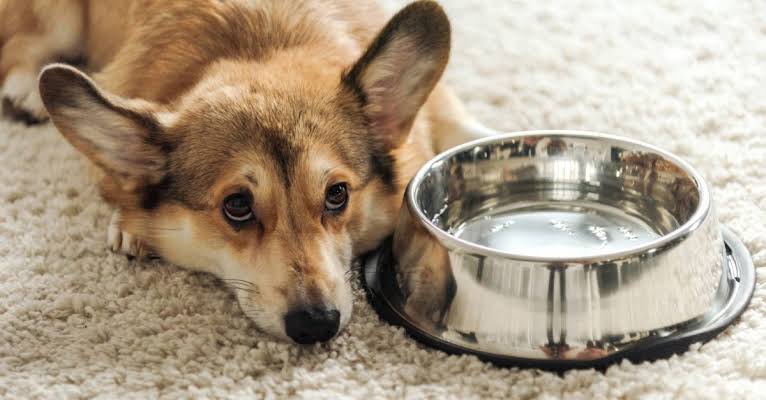
Why is my dog not drinking water but eating is a question that catches many pet parents off guard, especially since eating normally usually feels like a sign of good health.
It can seem confusing when your dog rushes to the food bowl but completely ignores the water dish. Sometimes this is nothing serious, tied to diet, weather, or a simple change in routine. Other times, it can be an early warning sign of dental pain, nausea, or an underlying medical condition.
Why Is My Dog Not Drinking Water But Eating? Is It Normal
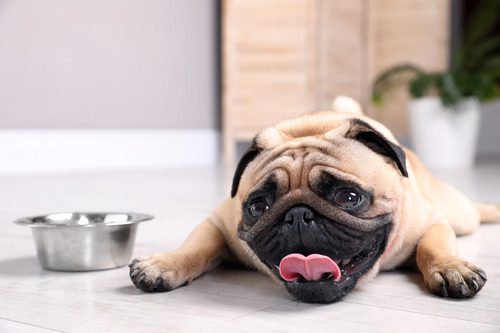
Dogs can get a surprising amount of moisture from their food, especially if they eat wet or canned food.
A dog eating mostly kibble, however, relies much more heavily on drinking water separately to stay hydrated.
Occasional reduced drinking is not always alarming, but a pattern lasting more than a day deserves closer attention.
How Much Water Should a Healthy Dog Drink
As a general guideline, dogs need about one ounce of water per pound of body weight each day.
Activity level, temperature, and diet all affect this number, so needs can shift noticeably from day to day.
Dogs eating wet food may naturally drink less from the bowl since much of their water intake comes from meals.
Common Reasons Dogs Eat but Avoid Water
There are many possible explanations behind this behavior, ranging from harmless habits to conditions that need veterinary care.
The table below summarizes the most frequent causes seen by veterinarians.
| Cause | Typical Severity | Notes |
|---|---|---|
| High-moisture diet | Low | Wet food reduces need to drink |
| Dirty or unfamiliar water | Low | Dogs are sensitive to taste and smell |
| Cooler weather or low activity | Low | Natural seasonal decrease in thirst |
| Bowl location or type | Low to moderate | Stress or discomfort near the bowl |
| Dental pain | Moderate | Cold water can trigger tooth sensitivity |
| Nausea or mild stomach upset | Moderate | Water may worsen queasy feeling |
| Anxiety or stress | Moderate | New environment or household changes |
| Kidney or liver disease | High | Often needs veterinary diagnosis |
| Fever or infection | High | Reduced thirst alongside other symptoms |
Diet-Related Reasons for Reduced Drinking
Dogs eating canned or wet food are already consuming a significant amount of water through their meals.
This can make the water bowl seem untouched even though your dog is staying properly hydrated overall.
If you recently switched from dry kibble to wet food, decreased drinking is often completely normal and expected.
Problems With the Water Bowl Itself
Dogs are surprisingly particular about their water source, and small changes can make them avoid the bowl entirely.
A dirty bowl, a change in water brand, or an unfamiliar taste from filtered versus tap water can all reduce interest.
Placing the bowl in a noisy, high-traffic, or uncomfortable location can also discourage regular drinking throughout the day.
Weather and Activity Level Changes
Dogs naturally drink less water during cooler months when they are less active and losing less moisture through panting.
A sudden drop in daily walks or playtime can also lower how much water a dog feels the need to drink.
This kind of seasonal shift is usually harmless as long as your dog is still drinking some water regularly.
Dental Pain and Water Avoidance
Tooth pain, gum disease, or oral infections can make cold water uncomfortable to drink, even while soft food feels fine.
Dogs experiencing dental discomfort may still eat, especially softer foods, while avoiding the sensation of cold water on sore teeth.
A dental exam is worth scheduling if you notice bad breath, pawing at the mouth, or reluctance around the water bowl specifically.
Nausea Without Loss of Appetite
Mild nausea can sometimes make a dog hesitant to drink water while still being willing to eat small amounts of food.
This can happen after vaccinations, minor dietary indiscretion, or a brief stomach upset that resolves within a day or two.
If nausea-related symptoms like lip licking, drooling, or occasional vomiting appear alongside reduced drinking, a vet check is a good idea.
Anxiety and Environmental Stress
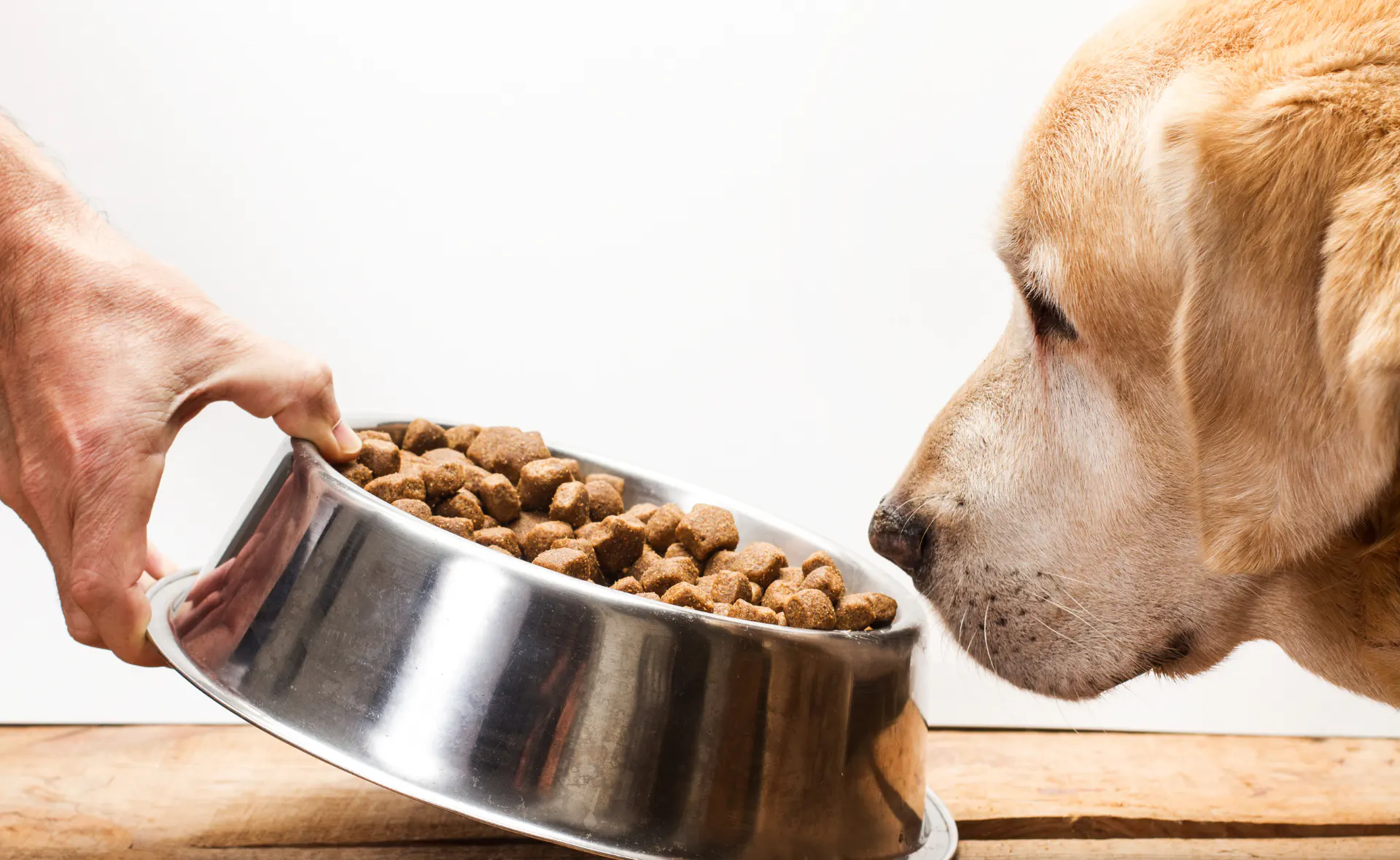
Dogs experiencing stress from travel, new household members, or loud noises may avoid the water bowl even while eating normally.
Anxious dogs sometimes associate the water bowl’s location with a stressful trigger, even if the water itself is perfectly fine.
Moving the bowl to a quiet, familiar spot can often resolve stress-related water avoidance within a few days.
Underlying Medical Conditions to Rule Out
While many causes are mild, some medical conditions can specifically reduce a dog’s interest in drinking water.
The table below outlines conditions your veterinarian may consider if reduced drinking continues.
| Condition | Related Signs | Why It Affects Drinking |
|---|---|---|
| Kidney disease | Increased or decreased thirst, lethargy | Alters normal thirst regulation |
| Liver disease | Appetite changes, yellowing gums | Affects overall metabolic balance |
| Dental disease | Bad breath, pawing at mouth | Cold water triggers tooth pain |
| Urinary tract infection | Straining, frequent urination | Discomfort can alter drinking habits |
| Fever or infection | Lethargy, warm ears, reduced energy | Illness can suppress thirst response |
| Nausea-causing illness | Drooling, lip licking, occasional vomiting | Water may worsen queasy sensation |
When Reduced Drinking Becomes a Warning Sign
A single day of lower water intake is rarely an emergency, especially if your dog otherwise seems normal.
However, several signs combined with reduced drinking should prompt a same-day call to your veterinarian.
| Warning Sign | Why It Matters |
|---|---|
| Complete water refusal for 24+ hours | Risk of rapid dehydration |
| Lethargy or unusual weakness | Possible underlying illness |
| Dry or tacky gums | Early sign of dehydration |
| Sunken eyes | Moderate to severe dehydration |
| Vomiting or diarrhea | Fluid loss compounding the issue |
| Panting heavily without exertion | Possible fever or distress |
How to Check Your Dog for Dehydration at Home
Gently lift the skin at the back of your dog’s neck; skin that snaps back quickly is a good hydration sign.
Check the gums by pressing gently with a finger; pink gums that return color within two seconds indicate normal hydration.
Sunken eyes, thick saliva, or noticeably dry gums are all signs that dehydration may already be developing.
How Long Can a Dog Safely Go Without Water
Most veterinarians consider it an emergency if a dog goes more than 24 to 48 hours without any water intake.
Even if your dog is eating, prolonged reduced drinking can still lead to dehydration over just a couple of days.
Waiting longer than 48 hours without professional guidance is not recommended, even if your dog seems otherwise stable.
Simple Ways to Encourage a Dog to Drink More
Adding a small amount of water to dry kibble can help increase overall fluid intake without forcing your dog to drink separately.
Offering ice cubes as a treat is a fun, low-calorie way many dogs enjoy getting extra hydration.
Trying a new bowl material, a fresh water source, or a pet water fountain can also make drinking more appealing.
Should You Try Broth or Flavored Water
Low-sodium chicken or bone broth mixed into water can make it far more appealing to a picky or mildly nauseous dog.
The liquid from canned tuna or chicken, used sparingly, can also encourage a hesitant dog to take in more fluids.
Always choose low-sodium, onion-free, and garlic-free options, since both onion and garlic are toxic to dogs.
What to Track Before Calling the Vet
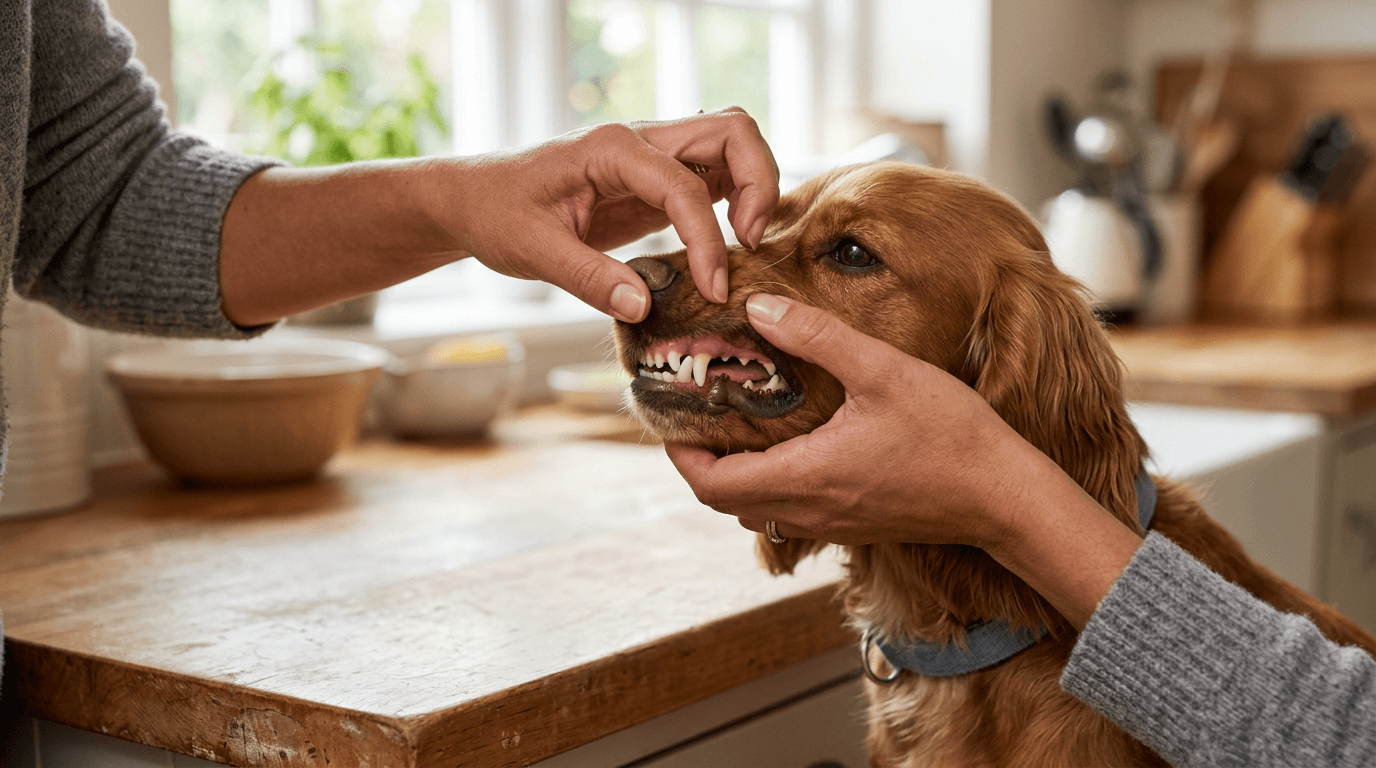
Keeping simple notes helps your veterinarian understand the pattern behind your dog’s reduced water intake.
Track how much your dog is eating, drinking, and any changes in energy, bathroom habits, or behavior.
Noting when the change started and whether it lines up with a new food, environment, or season can speed up diagnosis.
Puppy vs. Adult vs. Senior Water Needs
Puppies have higher hydration needs relative to their size and can dehydrate faster than adult dogs if they stop drinking.
Adult dogs generally have the most stable and predictable water intake patterns among all life stages.
Senior dogs may naturally drink less due to lower activity levels, but sudden changes should still be evaluated carefully.
Breed and Size Differences in Water Habits
Smaller breeds often drink less water in total volume but may need it more frequently throughout the day.
Larger and more active breeds typically require more total water, making a sudden drop in drinking more noticeable.
Brachycephalic breeds, such as Bulldogs and Pugs, may drink less due to difficulty accessing water comfortably around their facial structure.
The Role of Temperature and Humidity
Hot, humid weather increases water needs significantly, since dogs lose fluid through panting rather than sweating.
A dog that suddenly drinks less during warm weather deserves closer monitoring, since this pattern is the opposite of what is expected.
Providing shaded, cool areas and fresh water in multiple locations can help maintain healthy hydration during warmer months.
When to Visit the Vet Immediately
Certain combinations of symptoms mean you should skip home monitoring and head straight to a veterinarian.
Seek immediate care if your dog refuses water entirely for over 24 hours, shows lethargy, or has sunken eyes and dry gums.
Vomiting, diarrhea, or a suspected toxin exposure alongside reduced drinking also warrants urgent veterinary attention rather than a wait-and-see approach.
What Vets Typically Check During an Exam
A veterinarian will usually start with a physical exam, checking gum color, skin elasticity, and overall body condition.
Bloodwork can reveal kidney, liver, or metabolic issues that may be affecting your dog’s thirst regulation.
Urinalysis and, in some cases, imaging like X-rays or ultrasound may be used to investigate less obvious causes.
Treatment Approaches Based on Cause
Treatment depends entirely on what is identified as the underlying cause of reduced water intake.
| Cause | Typical Treatment Approach |
|---|---|
| Dental disease | Professional cleaning, pain management, possible extractions |
| Mild nausea | Bland diet, anti-nausea medication if needed |
| Anxiety | Environmental changes, calming strategies, behavioral support |
| Kidney or liver disease | Prescription diet, medication, ongoing monitoring |
| Dehydration | Subcutaneous or IV fluids depending on severity |
| Infection | Antibiotics or targeted treatment based on diagnosis |
Preventing Future Hydration Issues
Keeping multiple clean water bowls in quiet, accessible locations encourages more consistent drinking throughout the day.
Refreshing water at least once or twice daily helps avoid the buildup of taste or smell that can discourage dogs.
Routine veterinary checkups can catch early dental, kidney, or metabolic issues before they significantly affect hydration habits.
Water Fountains vs. Traditional Bowls
Many dogs are naturally drawn to moving water, which is why pet water fountains often encourage more drinking than a still bowl.
The circulating motion mimics a natural stream, which can appeal to a dog’s instinctive preference for fresh, flowing water.
Fountains also tend to stay cooler and cleaner for longer, reducing the buildup of taste or smell that discourages drinking.
Comparing Wet Food and Dry Food Hydration Levels
Understanding the moisture difference between food types helps explain why some dogs drink far less than others.
| Food Type | Approximate Moisture Content | Effect on Water Needs |
|---|---|---|
| Dry kibble | 6 to 10 percent | Higher separate water intake needed |
| Canned or wet food | 70 to 85 percent | Lower separate water intake needed |
| Freeze-dried, rehydrated | Varies by preparation | Moderate water intake needed |
| Fresh or homemade food | 60 to 75 percent | Moderate to low water intake needed |
How Medications Can Affect Water Intake
Certain medications, including some diuretics, steroids, and pain relievers, can change how much water a dog wants to drink.
If your dog recently started a new medication and their drinking habits shifted noticeably, it is worth mentioning to your prescribing veterinarian.
Never stop a prescribed medication without guidance, even if you suspect it is affecting hydration habits.
The Connection Between Appetite and Thirst Signals
Dogs regulate hunger and thirst through separate but related internal systems, which is why one can be affected without the other.
This explains why a dog can have a completely normal appetite while their thirst response is temporarily reduced or delayed.
Understanding this distinction helps explain why “eating fine” does not automatically rule out an underlying hydration issue.
Traveling or Boarding and Water Avoidance
Dogs staying at a boarding facility, pet sitter’s home, or hotel often drink less due to unfamiliar surroundings and routines.
Bringing a familiar bowl and even water from home can help ease this adjustment period during travel.
If reduced drinking continues well beyond the return to a familiar environment, it is worth monitoring more closely.
Multi-Pet Households and Water Bowl Competition
In homes with multiple pets, a more dominant animal may guard the water bowl, discouraging a shyer dog from drinking freely.
Providing several water stations throughout the house can reduce competition and ensure every pet has comfortable access.
Watching interactions around the water bowl during the day can reveal whether this dynamic is contributing to reduced drinking.
Home Remedies to Avoid Without Veterinary Guidance
Adding excessive salt, sugar, or flavoring to water to encourage drinking can do more harm than good and should be avoided.
Forcing water into a resistant or lethargic dog with a syringe at home can be risky without proper guidance from a professional.
Always check with your veterinarian before introducing supplements, electrolyte products, or home remedies meant to influence hydration.
Building a Simple Hydration Monitoring Routine
Marking approximate water levels in the bowl each morning and evening makes it easy to spot gradual changes over time.
A quick daily note about energy level, appetite, and bathroom habits builds a fuller picture for your veterinarian if a visit becomes necessary.
Small, consistent monitoring often catches subtle hydration issues weeks before they would otherwise become noticeable or serious.
Common Mistakes Owners Make With a Low-Drinking Dog
Assuming a dog is fine simply because they are eating normally can delay noticing early signs of dehydration.
Waiting several days before contacting a vet, especially with an older dog, can allow a manageable issue to become more serious.
Switching foods or bowls repeatedly in a short period can also make it harder to identify what is actually causing the change.
Why Consistency Matters More Than a Single Bad Day
One day of lower water intake rarely tells the full story, since normal daily variation is completely expected in healthy dogs.
Looking at patterns across several days gives a much clearer picture than reacting to a single missed drink.
If your dog’s overall pattern trends downward for more than two to three days, that consistency is the real signal to act on.
Frequently Asked Questions (FAQs)
Why is my dog eating but not drinking water?
Common reasons include a high-moisture diet, cooler weather, dental pain, mild nausea, or stress related to the water bowl’s location.
Is it normal for dogs on wet food to drink less water?
Yes, wet or canned food contains significant moisture, so dogs eating it often need less additional water from the bowl.
How long can a dog go without drinking water?
Most vets consider it an emergency if a dog goes more than 24 to 48 hours without drinking any water at all.
What are signs of dehydration in dogs?
Dry or tacky gums, sunken eyes, lethargy, and skin that is slow to snap back are common signs of dehydration.
Can dental pain cause a dog to avoid water?
Yes, sore teeth or gum disease can make cold water uncomfortable, even while the dog continues eating softer food.
Should I worry if my dog skips water for one day?
A single day is usually not an emergency if your dog seems otherwise normal, but it should still be monitored closely.
Can stress cause a dog to stop drinking water?
Yes, anxiety from travel, new pets, or household changes can make a dog avoid the water bowl temporarily.
What can I add to water to encourage my dog to drink?
Low-sodium broth or a small amount of tuna juice can make water more appealing to a hesitant or picky dog.
When should I take my dog to the vet for not drinking?
Seek veterinary care if water refusal lasts over 24 hours or is paired with lethargy, vomiting, or dry gums.
Can kidney disease cause reduced water intake?
Yes, kidney disease can disrupt normal thirst regulation, sometimes reducing drinking despite the body needing more fluids.
Conclusion
Why is my dog not drinking water but eating usually comes down to something manageable, like diet, weather, or a simple change around the water bowl. In many cases, dogs get enough moisture from wet food or naturally drink less during cooler, less active periods.
However, dental pain, mild nausea, stress, and underlying conditions like kidney or liver disease can also reduce water intake while appetite stays normal.
Watching for warning signs such as lethargy, dry gums, or prolonged water refusal helps you know when home monitoring is enough and when a vet visit is necessary.
Simple steps like adding moisture to meals, offering broth, or relocating the water bowl often resolve mild cases quickly. When in doubt, a quick call to your veterinarian offers peace of mind and ensures your dog stays healthy and properly hydrated.