Physical Therapy for Injury Prevention
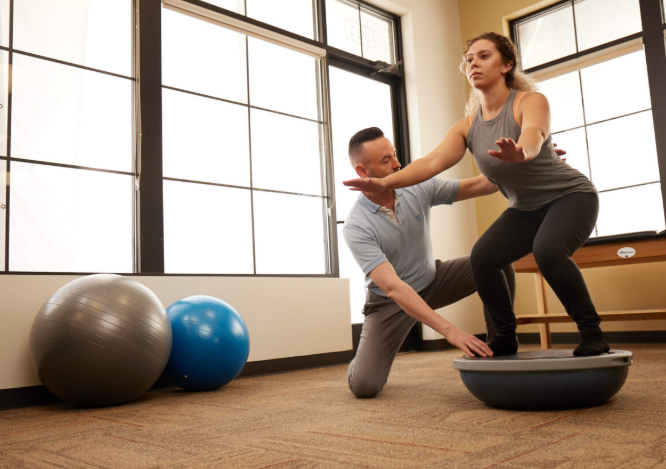
When most people think of physical therapy, they picture recovering after surgery or rehabilitating an injury. While physical therapy Nampa plays a vital role in recovery, it is equally valuable as a proactive approach to preventing injuries before they happen.
Whether you’re an athlete, a weekend warrior, or someone who wants to stay active throughout life, physical therapy can help you move better, reduce your risk of injury, and improve your overall quality of life.
Why Injury Prevention Matters
Injuries don’t just happen during competitive sports. Everyday activities such as lifting groceries, working at a desk, gardening, or exercising can place stress on your muscles and joints. Over time, poor movement patterns, muscle imbalances, and limited flexibility can increase the likelihood of strains, sprains, and chronic pain.
Taking preventive steps today can help you avoid setbacks that interfere with work, recreation, and daily living.
How Physical Therapy Helps Prevent Injuries
A physical therapist evaluates how your body moves and identifies areas that may increase your injury risk. Rather than treating symptoms alone, physical therapy addresses the underlying causes of movement dysfunction.
Key areas of focus include:
1. Movement Assessment
A comprehensive evaluation examines posture, balance, flexibility, joint mobility, strength, and movement mechanics. Identifying these issues early allows for targeted interventions before they develop into injuries.
2. Strength and Stability Training
Weak muscles can place excessive stress on joints and surrounding tissues. A personalized strengthening program improves muscle balance, joint stability, and overall body mechanics, helping your body handle physical demands more efficiently.
3. Flexibility and Mobility
Restricted muscles and stiff joints limit movement and force the body to compensate in unhealthy ways. Stretching and mobility exercises improve range of motion, allowing you to move more freely and safely.
4. Balance and Coordination
Good balance reduces the risk of falls and improves body control during sports and everyday activities. Physical therapists incorporate exercises that enhance coordination, reaction time, and stability.
5. Education and Body Mechanics
Learning proper lifting techniques, posture, workplace ergonomics, and exercise form can significantly reduce unnecessary stress on your body. Education empowers you to make healthier movement choices every day.
Who Can Benefit?
Injury prevention through physical therapy isn’t just for athletes. Many individuals can benefit, including:
- Runners and recreational athletes
- Youth athletes experiencing growth-related changes
- Adults beginning a new fitness routine
- Office workers with repetitive strain or poor posture
- Older adults seeking better balance and fall prevention
- Individuals with previous injuries looking to avoid re-injury
- Workers with physically demanding jobs
Common Injuries That May Be Prevented
A preventive physical therapy program may help reduce the risk of:
- Ankle sprains
- Knee injuries
- Rotator cuff injuries
- Lower back pain
- Tendonitis
- Muscle strains
- Stress-related overuse injuries
While no program can eliminate all injuries, improving movement quality and physical conditioning can substantially lower your risk.
The Long-Term Benefits
Investing in injury prevention offers benefits that extend beyond avoiding pain. Individuals who participate in preventive physical therapy often experience:
- Improved strength and endurance
- Better flexibility and mobility
- Enhanced athletic performance
- Faster recovery after workouts
- Reduced healthcare costs associated with injuries
- Greater confidence during physical activity
- Improved overall health and wellness
When Should You See a Physical Therapist?
You don’t need to wait until you’re injured to schedule an appointment. Consider seeing a physical therapist if you:
- Notice recurring aches or pains during activity
- Feel unstable or weak during exercise
- Have experienced previous injuries
- Are preparing for a sports season or endurance event
- Want guidance before starting a new exercise program
- Spend long hours sitting or performing repetitive tasks
Early assessment can identify small issues before they become major problems.
Prevention is always better than recovery. Physical therapy provides personalized strategies to improve movement, strengthen the body, and reduce injury risk, allowing you to stay active and enjoy the activities you love. Whether your goal is improving athletic performance, maintaining an active lifestyle, or simply moving with greater confidence, preventive physical therapy is a smart investment in your long-term health. By addressing potential problems before they lead to injury, you can build a stronger, more resilient body and keep doing what matters most—without interruption.