Why Do Earrings Smell? Causes & Easy Cleaning Tips 2026

Why do earrings smell is a question almost everyone with pierced ears has asked at least once, usually right after catching an unexpected whiff while changing jewelry.
The unpleasant odor, often called “ear cheese,” usually comes from a buildup of sebum, sweat, dead skin cells, and bacteria trapped around the earring post and backing.
This mix thrives in the warm, low-airflow environment of a piercing channel. The good news is that this smell is extremely common, easy to explain, and even easier to fix with the right cleaning habits.
Why Do Earrings Smell? What Causes Earrings to Smell
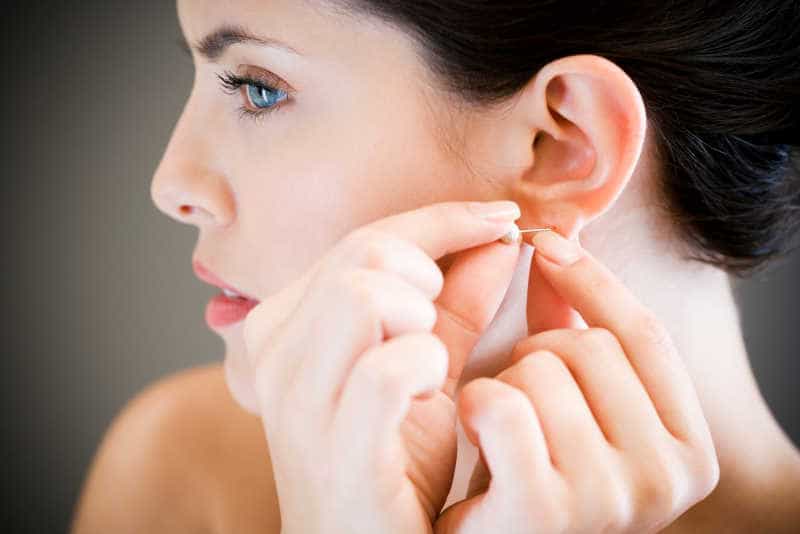
The core cause is a natural buildup of skin oils and dead cells that accumulate around the piercing and on the jewelry itself. This mixture creates a nutrient-rich environment for bacteria.
Bacteria feeding on this buildup produce odor-causing byproducts, which is why the smell often gets stronger the longer earrings go without being cleaned or removed.
The Main Reasons Behind Earring Odor
Several everyday factors combine to create the smell most people experience. The table below summarizes the most common contributors.
| Cause | Why It Happens | How Common |
|---|---|---|
| Sebum and dead skin buildup | Natural oils and cells accumulate around the post | Very Common |
| Sweat and moisture | Encourages bacterial growth on jewelry and skin | Very Common |
| Infrequent cleaning | Buildup is never removed regularly | Very Common |
| Low-quality metals | Nickel or plated metals react with skin | Common |
| Wearing earrings while showering | Water mixes with oils and sweat | Common |
| New or healing piercings | Body is still producing extra discharge | Common |
| Product residue | Hair products, sunscreen, or makeup mix with sebum | Moderate |
Sebum and Dead Skin Buildup
Skin naturally produces sebum, an oily substance that keeps skin lubricated. Around a piercing, this oil has nowhere to go and mixes with dead skin cells instead.
This combination creates a soft, waxy buildup that many people nickname “ear cheese,” which is the primary source of the smell most earring wearers notice.
Sweat and Moisture Around the Piercing
Sweat adds extra moisture to an already oil-prone area, creating ideal conditions for bacteria to multiply. This is especially noticeable during exercise or hot weather.
When earrings get wet, whether from sweat or water, bacteria can grow more quickly on the jewelry surface and inside the piercing channel itself.
Wearing Earrings in the Shower or Pool
Water mixing with skin oils and sweat can trigger a stronger smelly reaction than dry skin alone. This is one of the most overlooked causes of earring odor.
Removing earrings before showering, swimming, or bathing gives the piercing a chance to dry out fully and reduces the moisture that feeds bacterial growth.
Infrequent Cleaning Habits
Skipping regular cleaning allows sebum, sweat, and bacteria to accumulate steadily over days or weeks. The longer this buildup sits, the stronger the odor becomes.
Cleaning earrings at least once a week, or more often if worn daily, is one of the simplest ways to prevent the smell from developing in the first place.
Low-Quality or Reactive Metals
Some metals, especially cheaper ones, can react with skin and sweat, causing irritation and contributing to odor. Nickel, copper, and plated metals are the most common offenders.
Gold, platinum, and surgical steel are generally safer choices, since they resist corrosion and are less likely to trap bacteria compared to reactive base metals.
New or Healing Piercings
Fresh piercings often produce more discharge as the body heals the puncture wound, which can create a stronger smell than an older, fully healed piercing.
This is a normal part of the healing process, but keeping the area extra clean during this stage helps minimize both odor and the risk of irritation.
Product Residue Buildup
Hair products, sunscreen, and makeup can mix with natural skin oils around the ear, amplifying both the amount of residue and the strength of the smell.
Rinsing the earring area thoroughly after applying styling products or sunscreen helps prevent this residue from settling into the piercing channel.
Normal Buildup vs Signs of Infection
Most earring odor is completely harmless, but it helps to know the difference between typical buildup and a piercing that may need medical attention.
| Signal | Normal Buildup | Possible Infection |
|---|---|---|
| Smell | Mild, waxy odor | Strong, persistent odor |
| Discharge color | Off-white or clear | Yellow, green, or bloody |
| Redness | Minimal to none | Persistent redness |
| Pain | Little to no tenderness | Escalating pain or throbbing |
| Swelling | Rare | Noticeable swelling or warmth |
When to See a Doctor About Earring Odor
If you notice escalating pain, warmth, swelling, or discharge that is yellow, green, or bloody, these are signs of a possible infection rather than normal buildup.
A healthcare professional can properly diagnose and treat an infected piercing, and catching it early generally leads to a faster, easier recovery.
How to Clean Smelly Earrings at Home
Cleaning both the jewelry and the piercing itself is essential, since cleaning one without the other leaves half the odor source untouched.
Soak earrings in mild soapy water, diluted alcohol, or a store-bought jewelry cleaning solution for a few minutes to loosen built-up oils and grime.
Use a soft cloth or soft-bristled brush to gently scrub any stubborn residue, being careful not to scratch or tarnish delicate metals or gemstones.
Step-by-Step Earring Cleaning Routine
| Step | Action |
|---|---|
| 1 | Remove earrings and separate posts from backs |
| 2 | Soak in mild soap and warm water for 5–10 minutes |
| 3 | Gently scrub with a soft cloth or brush |
| 4 | Rinse thoroughly and dry completely |
| 5 | Clean the piercing area with saline or mild soap |
| 6 | Wash hands before reinserting earrings |
Cleaning the Piercing Itself
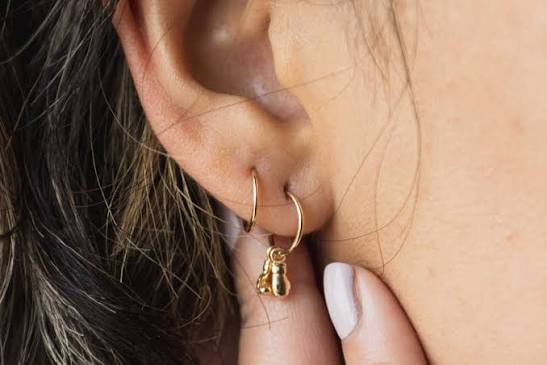
Cleaning the earring is not the same as cleaning the piercing channel, since oils and bacteria also build up inside the ear lobe itself.
A saline solution is a gentle, effective option for cleaning sensitive or healing piercings without introducing the irritation that harsher products can cause.
Gently clean around the piercing during your regular shower or face-washing routine to keep both the skin and jewelry free of built-up residue.
Why Earring Backs Smell the Worst
Earring backs tend to trap the most buildup since they sit flush against the back of the earlobe with very little airflow reaching that area.
Removing and cleaning the backs regularly, not just the visible front of the earring, is essential for fully eliminating the source of the odor.
Best Materials to Prevent Earring Odor
Choosing the right earring material can significantly reduce how often odor builds up, since some metals resist bacteria and moisture far better than others.
| Material | Odor Resistance | Notes |
|---|---|---|
| Surgical steel | High | Hypoallergenic and durable |
| Titanium | High | Lightweight and skin-friendly |
| Gold (14k or higher) | High | Resists tarnish and bacteria |
| Platinum | High | Very safe for sensitive skin |
| Sterling silver | Moderate | Can tarnish, needs regular cleaning |
| Nickel or plated metals | Low | More likely to react and trap bacteria |
How Diet Can Influence Earring Smell
Certain foods, especially those high in sulfur like garlic and onions, can subtly influence body odor, including the smell that develops around piercings over time.
While diet is a minor factor compared to hygiene, being mindful of sulfur-rich foods may offer a small additional benefit for those prone to stronger odors.
How Humidity and Weather Affect Odor
Warm, humid conditions promote faster bacterial growth, which is why earring smell often becomes more noticeable during summer months or in humid climates.
Cleaning earrings and piercings more frequently during hot, humid weather helps offset the increased bacterial activity these conditions naturally encourage.
Do Clip-On Earrings Smell Too
Yes, clip-on earrings can develop similar odors from skin oils, sweat, and bacteria accumulating on the pads and hinges, even without an actual piercing involved.
Clean clip-on materials with alcohol wipes, dry them thoroughly, and replace worn pads periodically to keep this style of earring smelling fresh as well.
Proper Earring Storage to Prevent Odor
Storing earrings correctly is just as important as cleaning them, since improper storage can reintroduce moisture and bacteria even after a thorough cleaning session.
Use earring boxes designed for moisture control, ideally with silica gel packets, to absorb excess humidity and reduce the environment bacteria need to thrive.
Separate compartments for each pair minimize contact between different earrings, reducing the transfer of oils and dirt from one piece to another.
Keep earring storage in a dry, cool area, avoiding humid spaces like bathrooms where moisture naturally accumulates and speeds up odor formation.
Daily Habits That Prevent Smelly Earrings
Small daily habits make a big difference in preventing odor from building up in the first place. Consistency matters more than intensity here.
Wash your hands before touching your earrings or piercings, since transferring bacteria from your hands can add to the buildup already present.
Rotate or gently loosen earring backs periodically to allow airflow to reach the piercing, especially if you wear the same earrings for extended periods.
Let your ears breathe occasionally by going without earrings for short periods, particularly if you tend to wear the same pair continuously for days at a time.
Common Mistakes That Make Earring Odor Worse
Reusing the same unclean earring backs across multiple pairs spreads oils and bacteria from one piece of jewelry to another, making the problem harder to control.
Over-scrubbing or using harsh chemicals can irritate the skin around a piercing, which sometimes triggers extra discharge that actually worsens the smell rather than fixing it.
Ignoring the piercing itself while only cleaning the visible earring leaves half the odor source untouched, since bacteria inside the channel are not reached by surface cleaning alone.
Tools That Make Earring Cleaning Easier
A small soft-bristled brush, similar to a baby toothbrush, is ideal for reaching tight spaces around posts and backs without scratching delicate metal finishes.
Ultrasonic jewelry cleaners use sound waves to loosen buildup from hard-to-reach crevices and are especially useful for intricate or textured earring designs.
Cotton swabs dipped in saline or diluted alcohol work well for spot-cleaning both the jewelry and the skin directly around the piercing.
Cleaning Solutions Compared
Different cleaning solutions offer different strengths depending on the type of buildup and the material of your earrings.
| Solution | Best For | Notes |
|---|---|---|
| Mild soap and water | Everyday cleaning | Gentle and safe for most metals |
| Saline solution | Cleaning the piercing itself | Gentle enough for healing or sensitive skin |
| Rubbing alcohol (70%) | Disinfecting posts and backs | Effective against bacteria, avoid on pearls |
| Hydrogen peroxide | Deep cleaning stubborn buildup | Use sparingly and rinse thoroughly |
| Jewelry cleaning solution | Convenient all-in-one option | Follow product instructions for your metal type |
How Long Buildup Takes to Cause Odor
For most people, noticeable odor can develop within just a few days of skipping earring cleaning, especially in warm weather or with active lifestyles.
Piercings that are rarely removed, such as stretched lobes or long-term studs, tend to build up odor-causing residue faster than earrings that are changed regularly.
Special Considerations for Sensitive or Healing Ears
Freshly pierced ears require gentler cleaning products, since harsh soaps or alcohol can irritate healing tissue and slow down the recovery process.
Saline solution is generally the safest option for new piercings, as it cleans effectively without introducing the irritation that stronger products can cause.
Avoid rotating jewelry too aggressively in a healing piercing, since this can reopen microscopic tissue and increase both irritation and odor-causing discharge.
Lifestyle Factors That Influence Earring Odor
People who exercise frequently or live in warmer climates often notice earring odor developing faster due to increased sweat production throughout the day.
Those who wear makeup, hair products, or sunscreen near the ears should pay extra attention to rinsing that area thoroughly to prevent residue buildup.
Sleeping habits also play a role, since pillows can trap oils and bacteria against earrings overnight, especially for those who sleep on their side.
Long-Term Habits for Odor-Free Ears
Building a simple weekly routine around cleaning both jewelry and piercings prevents buildup from ever reaching the point of noticeable odor.
Investing in a few pairs of high-quality, hypoallergenic earrings reduces how often you need to worry about reactive metals contributing to smell.
Keeping a small cleaning kit with mild soap, saline, and a soft cloth easily accessible makes it far more likely you will stick to a consistent routine.
How to Tell If It’s Your Earrings or Your Piercing Causing the Smell
Isolating the source helps you clean more efficiently instead of guessing. Try smelling the earring itself separately from the piercing area after removal.
If the jewelry smells strongly on its own, focus your cleaning efforts there first, using a thorough soak and scrub before reinserting it.
If the odor lingers even with clean earrings, the piercing channel itself likely needs more attention through gentle saline cleaning around the area.
A Quick Odor-Prevention Checklist
Run through this short checklist regularly to keep both your earrings and piercings smelling fresh without much extra effort.
| Checklist Item | Frequency |
|---|---|
| Clean earrings with mild soap | Weekly, or more if worn daily |
| Clean piercing area | During regular showering |
| Remove earrings before water activities | Every time |
| Check for signs of infection | Ongoing |
| Store earrings in a dry container | Always |
| Replace worn clip-on pads | Every few months |
Sticking to this checklist consistently is one of the easiest ways to prevent odor from ever becoming a noticeable problem in the first place.
Should You Take a Break From Wearing Earrings
Giving your ears occasional breaks allows the piercing channel to air out fully, which reduces the buildup of trapped moisture and oils that lead to odor.
This is especially helpful for people who wear the same pair of earrings for extended periods without ever removing them for cleaning or airflow.
Even a short break of a few hours during the day can make a noticeable difference for those prone to frequent earring odor.
Traveling With Earrings Without the Smell
Travel often disrupts normal cleaning routines, making it easy for buildup to accumulate faster than usual during trips or busy schedules away from home.
Pack a small travel-sized cleaning kit with mild soap or alcohol wipes so you can maintain your routine even while away from your regular supplies.
Humid travel destinations, in particular, can accelerate bacterial growth, so extra attention to cleaning during and after these trips helps prevent unwanted odor.
Frequently Asked Questions (FAQs)
Why do my earrings smell bad even when clean?
Buildup can hide in small crevices like posts and backs that are easy to miss during a quick cleaning. A more thorough soak and scrub usually resolves this.
Is it normal for earrings to smell?
Yes, mild odor from natural skin oils and bacteria is extremely common and not a sign of poor hygiene. Regular cleaning easily manages this normal buildup.
How often should I clean my earrings?
Clean earrings at least once a week, or more often if worn daily. Also clean the piercing area during your regular shower routine.
Can smelly earrings cause an infection?
Yes, neglected buildup can sometimes lead to irritation or infection if bacteria accumulate for too long. Regular cleaning greatly reduces this risk.
What is the best way to clean earring backs?
Remove the backs completely and soak them separately in mild soap and water. This area traps the most buildup due to limited airflow.
Does earring material affect smell?
Yes, cheaper metals like nickel and plated materials are more likely to react with skin and trap bacteria. Surgical steel, titanium, and gold resist odor better.
Should I take my earrings out before showering?
Yes, removing earrings before showering or swimming prevents water from mixing with oils and sweat. This significantly reduces bacterial growth and odor.
Can diet really affect how earrings smell?
Diet plays a minor role, with sulfur-rich foods like garlic potentially contributing slightly. Hygiene and cleaning habits remain the biggest factors overall.
Do clip-on earrings smell like pierced earrings?
Yes, clip-ons can develop similar odors from oils and bacteria on their pads and hinges. Regular cleaning with alcohol wipes helps prevent this.
When should I worry about earring smell?
Worry if the smell comes with redness, swelling, pain, or colored discharge, since these can indicate infection. Otherwise, mild odor is a normal, manageable issue.
Conclusion
Smelly earrings are one of the most common jewelry concerns people deal with, and the cause almost always comes down to a natural mix of sebum, sweat, dead skin cells, and bacteria building up around the post and piercing.
This buildup is normal and nothing to be embarrassed about, but it does need regular attention to keep it under control.
Cleaning both your earrings and your piercing weekly, choosing hypoallergenic materials like surgical steel or gold, and storing jewelry properly in a dry, moisture-controlled space are the most effective ways to prevent odor long term.
If you ever notice redness, swelling, or unusual discharge alongside the smell, treat that as a sign to consult a professional rather than relying on home cleaning alone. With a few simple, consistent habits, you can keep your ears and earrings smelling fresh no matter how often you wear them.