Why Don’t Dentists Use Nitrous Oxide Anymore? Facts 2026
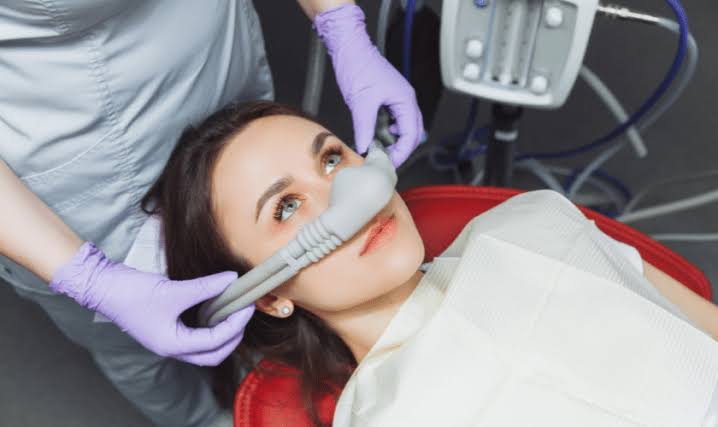
Why don’t dentists use nitrous oxide anymore is a question worth clarifying right away: many dentists still use it, but its role has clearly shrunk compared to a few decades ago.
Laughing gas used to be the default anxiety tool in almost every dental office. Today, newer sedation options, cost pressures, and even environmental concerns have pushed many practices toward alternatives.
Why Don’t Dentists Use Nitrous Oxide Anymore? Is It True
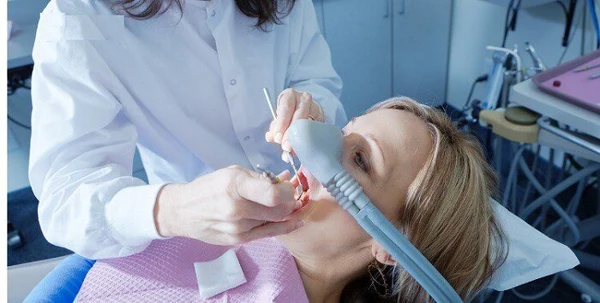
Not entirely. Nitrous oxide is still approved, still safe when properly administered, and still used in many general and pediatric dental practices today.
What has changed is frequency. Fewer offices treat it as their default sedation choice, and more patients are being offered alternatives instead.
The shift is gradual, not a sudden ban, and it varies significantly by country, practice size, and patient population.
A Quick History of Nitrous Oxide in Dentistry
Nitrous oxide was introduced to dentistry in the mid-1800s and quickly became known as “laughing gas” for the mild euphoria it produces.
For over a century, it was the go-to method for calming anxious patients through routine procedures like fillings and cleanings.
Its popularity came from being fast-acting, easy to reverse, and generally well tolerated across a wide range of patients.
Top Reasons Dentists Are Moving Away From Nitrous Oxide
1. Advances in Local Anesthesia
Modern numbing agents are more precise and longer-lasting than earlier versions, reducing the need for sedation just to manage discomfort.
Better delivery techniques, including computer-controlled injections, have made local anesthesia more comfortable, which lessens patient anxiety on its own.
For many routine procedures, strong local anesthesia alone now covers what nitrous oxide used to help with.
2. Rise of Oral and IV Sedation
Oral sedatives and IV sedation offer a deeper, more predictable level of calm for patients with moderate to severe dental anxiety.
Unlike nitrous oxide, these options can also create partial memory loss of the procedure, which many anxious patients specifically request.
For longer or more invasive treatments, dentists often find these alternatives more effective at keeping patients relaxed throughout.
3. Limited Sedation Depth
Nitrous oxide only provides mild to moderate sedation. It calms nerves but doesn’t fully block sensation or awareness during treatment.
For complex procedures like extractions, implants, or root canals, this limited depth often isn’t enough on its own.
Dentists treating more anxious or complex cases increasingly reach for stronger options that guarantee a deeper level of relaxation.
4. It Doesn’t Relieve Pain on Its Own
Nitrous oxide reduces anxiety and mild discomfort but isn’t a pain reliever by itself. Local anesthesia is still required alongside it.
This means nitrous oxide adds a layer of calm rather than replacing the need for numbing medication during actual dental work.
As sedation expectations have grown, some dentists prefer options that combine anxiety relief and pain control more directly.
5. Equipment and Space Requirements
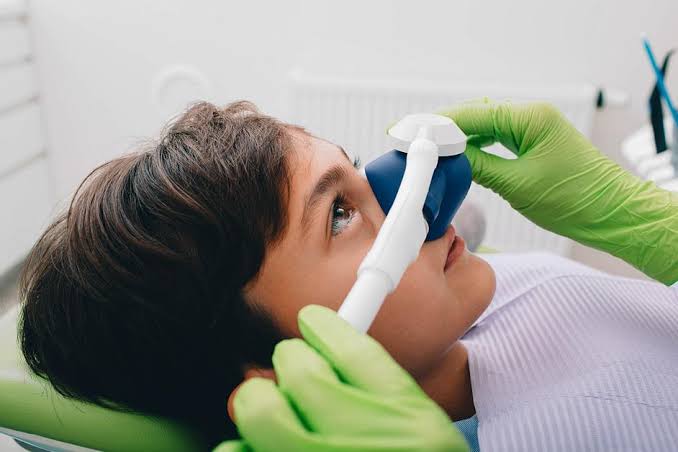
Delivering nitrous oxide safely requires a nasal hood, scavenging system, and proper ventilation to prevent gas exposure in the room.
Smaller practices or newer clinics may skip this setup entirely in favor of sedation methods that need less specialized equipment.
Maintaining and calibrating this equipment also adds an ongoing operational cost that some practices choose to avoid.
6. Cost Considerations
Between the gas itself, safety equipment, and required staff training, offering nitrous oxide isn’t free for a dental practice to maintain.
Some clinics have found that offering oral sedation or simply relying on strong local anesthesia is more cost-effective for their patient base.
Insurance coverage for nitrous oxide also varies, which can influence whether a practice keeps offering it as a standard option.
7. Environmental Concerns
This is one of the newer and fastest-growing reasons behind the shift. Nitrous oxide is a potent greenhouse gas, not just a sedative. Its emissions contribute close to 5% of global greenhouse gas emissions, with the United States producing more than any other country.
Research has found that nitrous oxide has roughly 298 times the warming impact of carbon dioxide over a hundred-year period, largely due to leaks and unnecessary flow during use.
A recent UK-based study also found that a single dental sedation appointment can produce a carbon footprint of around 28.6 kilograms of carbon dioxide equivalent, which is prompting some clinics to rethink routine use.
8. Recreational Misuse and Safety Concerns
Outside of dental offices, nitrous oxide misuse has become more visible, and some of the resulting health scares have made patients more cautious.
Reports connecting recreational misuse to nerve damage, memory issues, and dangerous oxygen loss have shaped public perception, even though supervised dental use remains safe.
Some practices have responded by shifting focus toward alternatives to sidestep any patient hesitation tied to these headlines.
9. Occupational Exposure for Dental Staff
Dental teams who are regularly exposed to trace nitrous oxide over years of practice face their own long-term health considerations without proper scavenging systems.
Chronic occupational exposure has been linked in research to potential reproductive and neurological effects, which has pushed stricter safety protocols.
Some practices find it simpler to avoid this ongoing risk management altogether by choosing different sedation methods.
10. Rise of Laser and Minimally Invasive Dentistry
Newer tools like soft-tissue and hard-tissue lasers can reduce discomfort during certain procedures enough that sedation becomes less necessary in the first place.
When procedures are less invasive to begin with, the anxiety-reducing role nitrous oxide used to play becomes less critical for many patients.
Clinics investing in this technology often report needing sedation less frequently across their patient base overall.
11. Patient-Specific Contraindications
Nitrous oxide isn’t ideal for every patient. Pregnant patients, people with certain lung conditions, and those with sinus or ear issues may need alternatives.
As dentists see a wider range of patient health backgrounds, having a broader sedation toolkit reduces the number of cases where nitrous oxide simply isn’t an option.
This has encouraged many practices to build alternatives into their standard offerings rather than defaulting to nitrous oxide first.
12. Supply and Sourcing Issues
Nitrous oxide has occasionally faced supply disruptions tied to broader medical gas shortages, making consistent access less guaranteed for some practices.
When supply becomes unpredictable, clinics may shift toward sedation methods that don’t rely on a single specialized gas source.
This is a smaller factor compared to cost or safety, but it has still influenced decisions at some practices.
Table: Why Dentists Are Using Nitrous Oxide Less Often
| Reason | Category | Impact on Practice |
|---|---|---|
| Better local anesthesia | Clinical | Reduces overall need for sedation |
| Oral and IV sedation options | Clinical | Offers deeper, more reliable calm |
| Limited sedation depth | Clinical | Not enough for complex procedures |
| No standalone pain relief | Clinical | Still requires local anesthesia |
| Equipment and space needs | Operational | Added setup and maintenance cost |
| General cost factors | Operational | Ongoing gas and training expenses |
| Environmental impact | Environmental | Greenhouse gas and carbon footprint |
| Recreational misuse concerns | Public perception | Patient hesitation |
| Staff occupational exposure | Safety | Long-term health considerations |
| Laser and minimally invasive tools | Technology | Reduces need for sedation overall |
| Patient contraindications | Clinical | Not suitable for every patient |
| Supply disruptions | Logistics | Inconsistent access at times |
What Are Dentists Using Instead of Nitrous Oxide?
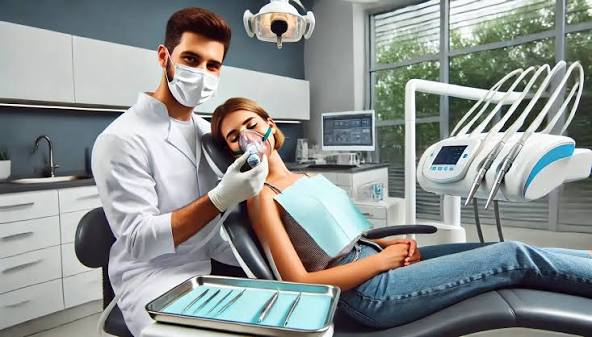
Oral Conscious Sedation
A prescribed pill taken before the appointment that produces a deeper sense of calm than nitrous oxide, often with partial memory loss of the visit.
IV Sedation
Delivered directly into the bloodstream, IV sedation offers fast, adjustable, and deeper sedation, commonly used for longer or more invasive procedures.
General Anesthesia
Reserved for more extensive procedures or patients with severe anxiety, general anesthesia renders the patient fully unconscious under close monitoring.
Advanced Local Anesthesia
For many routine procedures, stronger and more precisely delivered numbing agents alone are now enough to keep patients comfortable.
Laser-Assisted Dentistry
Certain lasers reduce the vibration, pressure, and discomfort associated with drilling, cutting down on the need for sedation in some procedures.
Table: Nitrous Oxide vs. Common Alternatives
| Sedation Type | Depth of Sedation | Pain Relief Included | Recovery Time |
|---|---|---|---|
| Nitrous oxide | Mild | No, needs local anesthesia | Minutes |
| Oral sedation | Moderate | No, needs local anesthesia | Hours |
| IV sedation | Moderate to deep | No, needs local anesthesia | Several hours |
| General anesthesia | Full unconsciousness | Complete during procedure | Extended, supervised |
| Local anesthesia alone | None (no calming effect) | Yes, at the treatment site | Minimal |
Is Nitrous Oxide Still Safe to Use?
Yes. When administered correctly by trained dental professionals, nitrous oxide remains one of the safest sedation options available in dentistry.
Its effects are quickly reversible with oxygen, and it doesn’t interact significantly with most medications, which is part of why it’s stayed in use this long.
The concerns driving its decline are more about efficiency, cost, and environmental impact than about it being unsafe for patients.
Common Side Effects of Nitrous Oxide
Nausea
Some patients, especially those who’ve eaten recently, may experience mild nausea or vomiting during or after treatment.
Dizziness
A lightheaded or disoriented feeling can occur, particularly if the gas concentration is adjusted too quickly.
Headache
Occasionally, patients report a mild headache shortly after the mask is removed, which typically resolves within a short time.
Who Should Avoid Nitrous Oxide?
Pregnant Patients
Many dentists avoid nitrous oxide during the first trimester as a precaution, opting for local anesthesia alone when possible.
Patients With Respiratory Conditions
Those with certain lung conditions, like severe COPD, may not tolerate the gas mixture well and need alternative sedation.
Patients With Sinus or Ear Issues
Because nitrous oxide can affect air-filled spaces in the body, active sinus infections or recent ear surgery may rule it out temporarily.
Table: Who Nitrous Oxide May Not Be Right For
| Patient Group | Reason for Caution |
|---|---|
| Pregnant patients (first trimester) | Precautionary avoidance |
| Severe respiratory conditions | Gas tolerance concerns |
| Active sinus or ear issues | Pressure-related complications |
| Certain psychiatric conditions | Response unpredictability |
| Patients with B12 deficiency | Interaction with nitrous oxide metabolism |
Can You Still Request Nitrous Oxide at the Dentist?
In most cases, yes. If a practice still offers it, patients can typically request nitrous oxide for anxiety relief during routine treatment.
It’s worth calling ahead or asking during a consultation, since not every clinic keeps it as a standard offering anymore.
If unavailable, most dentists can walk you through comparable alternatives suited to your specific level of anxiety and the procedure planned.
Is Nitrous Oxide Covered by Dental Insurance?
Coverage varies widely between insurance plans and providers. Some plans cover it for specific procedures, while others treat it as an optional add-on.
It’s generally less expensive than oral or IV sedation, which is part of why some patients still prefer it when it’s available.
Checking directly with your insurance provider before your appointment is the most reliable way to confirm your specific coverage.
How Dentists Decide Which Sedation Option to Use
Procedure Complexity
Simple cleanings or fillings often need little more than local anesthesia, while longer procedures may call for deeper sedation.
Patient Anxiety Level
Mild nervousness might be well managed with nitrous oxide, while severe dental phobia often calls for oral or IV sedation instead.
Medical History
Existing health conditions, medications, and pregnancy status all factor into which sedation method is considered safest for a given patient.
The Environmental Push Behind the Shift
Why Dentistry Is Under Scrutiny
Healthcare systems are increasingly examining their carbon footprint, and anesthetic gases like nitrous oxide have become a visible target for reduction efforts.
What Practices Are Doing About It
Some clinics are switching to more efficient delivery systems, reducing unnecessary flow rates, and better maintaining scavenging equipment to limit leaks.
What This Means for Patients
For most patients, this shift is behind the scenes. It affects how a clinic manages its equipment more than the actual patient experience.
Common Myths About Nitrous Oxide’s Decline
A few misconceptions tend to spread online about why nitrous oxide is used less, and clearing them up helps set realistic expectations.
Myth: Nitrous Oxide Has Been Banned
It hasn’t been banned anywhere in mainstream dental practice. It remains a legal, approved sedation option in the United States, UK, and most countries.
Myth: It Was Found to Be Unsafe
Safety concerns around nitrous oxide are mostly tied to recreational misuse outside clinical settings, not supervised dental use itself.
Myth: No Dentists Offer It Anymore
Many practices, especially pediatric and family dental offices, still offer nitrous oxide as a standard option for anxious patients.
How Nitrous Oxide Use Differs by Practice Type
General Dental Practices
Many general dentists still keep nitrous oxide available for routine anxiety management, particularly for shorter procedures like fillings or cleanings.
Pediatric Dentistry
Nitrous oxide remains especially common in pediatric dentistry, where its mild effect and quick reversal suit children well.
Specialist and Surgical Practices
Oral surgeons and specialists handling more invasive procedures are more likely to have shifted toward IV sedation or general anesthesia instead.
Regional Differences in Nitrous Oxide Use
United States
Nitrous oxide remains widely available across general and pediatric practices, though many clinics now pair it with newer alternatives.
United Kingdom
Increased attention to environmental impact and NHS sustainability targets have pushed some UK practices to monitor and reduce nitrous oxide use more closely.
Other Regions
Availability varies by country based on local regulations, cost of equipment, and how dental training programs approach sedation.
What to Expect If Nitrous Oxide Isn’t Offered
Alternative Options Will Be Discussed
If a practice has moved away from nitrous oxide, your dentist will typically walk you through other sedation choices suited to your comfort level.
Local Anesthesia May Be Enough
For many routine procedures, modern local anesthesia alone may be sufficient without needing any additional sedation at all.
You Can Ask About Switching Practices
If sedation options matter significantly to your comfort, it’s reasonable to ask directly which sedation methods a practice currently offers before booking.
Tips for Managing Dental Anxiety Without Nitrous Oxide
Communicate Openly With Your Dentist
Letting your dentist know about your anxiety level helps them choose the most appropriate sedation or comfort method for your visit.
Ask About Numbing Options in Advance
Topical numbing gels or extra local anesthesia can sometimes reduce anxiety enough without needing sedation gas at all.
Consider Relaxation Techniques
Simple techniques like deep breathing, listening to music, or bringing headphones can help manage mild anxiety during routine visits.
Quick Checklist Before Your Appointment
A little preparation can help you get the sedation option that best matches your comfort needs at your next visit.
Call Ahead About Sedation Options
Confirm whether nitrous oxide or other sedation methods are available before your appointment, especially if anxiety is a concern for you.
Mention Any Health Conditions
Share your full medical history, including pregnancy status and respiratory conditions, so your dentist can recommend the safest option.
Ask About Costs and Coverage
Since sedation costs vary widely, checking with your insurance ahead of time avoids surprises on your final bill.
Frequently Asked Questions (FAQs)
Do dentists still use nitrous oxide in 2026?
Yes, many still do, especially for routine anxiety management, though fewer treat it as their default sedation option compared to before.
Why don’t some dentists offer nitrous oxide anymore?
Cost, equipment needs, newer sedation options, and environmental concerns have led some practices to phase it out or use it less often.
Is nitrous oxide dangerous for patients?
No, when properly administered by a trained professional, it remains one of the safest sedation methods used in dentistry today.
What do dentists use instead of nitrous oxide?
Common alternatives include oral sedation, IV sedation, general anesthesia, and stronger local anesthesia depending on the procedure.
Can I still ask for nitrous oxide at my dentist?
Yes, if the practice offers it, you can typically request it, though it’s best to confirm availability before your appointment.
Is nitrous oxide bad for the environment?
Yes, it’s a potent greenhouse gas, and dental use contributes a measurable amount to global emissions through leaks and unnecessary flow.
Does nitrous oxide relieve dental pain?
No, it reduces anxiety and mild discomfort but doesn’t replace local anesthesia for actual pain control during treatment.
Is nitrous oxide safe for children?
Yes, it’s commonly used in pediatric dentistry and is considered a safe, well-tolerated option for many children.
Why is IV sedation becoming more popular than nitrous oxide?
IV sedation offers deeper, more predictable relaxation and partial memory loss, which many anxious patients specifically prefer for longer procedures.
Will nitrous oxide disappear from dentistry completely?
It’s unlikely to disappear entirely, but its use will likely keep shrinking as alternatives and environmental concerns continue to grow.
Conclusion
So, why don’t dentists use nitrous oxide anymore? The honest answer is that many still do, but its role has clearly narrowed.
Better local anesthesia, stronger sedation alternatives, cost and equipment demands, and growing environmental concerns have all chipped away at its once-default status. It remains safe and effective for many patients, particularly for mild anxiety during routine visits.
If you’re hoping to use it at your next appointment, it’s worth checking with your dentist directly, since availability now varies significantly between practices. Understanding these shifts helps you make a more informed choice about your own comfort and care going forward.