Why Does My Check Engine Light Come On and Off? Is It Safe? 2026
Why does my check engine light come on and off is one of the most confusing dashboard mysteries drivers face, especially when the light disappears just as quickly as it appeared.
This flickering behavior usually points to an intermittent issue rather than a constant one, which can make diagnosis trickier.
Why Does My Check Engine Light Come On and Off?
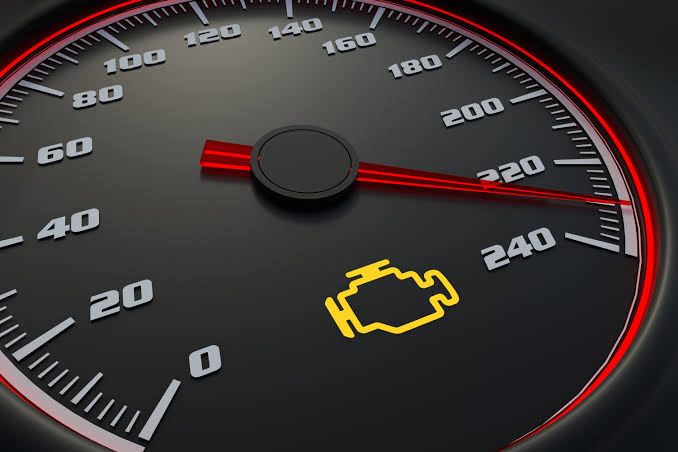
The check engine light is part of your vehicle’s onboard diagnostics system, commonly known as OBD-II. It monitors the engine, transmission, and emission systems for readings that fall outside normal ranges.
When the computer detects an abnormal reading, it stores a trouble code and lights up the dashboard warning. If the reading returns to normal on its own, the light can turn off, even though the underlying issue may still exist.
Why the Light Comes On and Then Goes Off
An intermittent check engine light often means the problem is not happening constantly. A sensor might send a bad reading once, trigger the light, then return to normal readings afterward.
This does not always mean the problem is fixed. Many vehicles require several clean driving cycles in a row before the computer clears the light completely, even if the root cause is still present.
Pending Trouble Codes You Should Not Ignore
Even after the check engine light turns off, a pending trouble code is often still stored in your car’s computer. This code holds details about what triggered the light in the first place.
A diagnostic scan can reveal these pending codes long before the light comes back on for good. Many auto parts stores offer free scanning services that make this easy to check.
Loose or Damaged Gas Cap
One of the simplest and most common causes of a flickering check engine light is a loose, cracked, or missing gas cap. The fuel system is sealed, and a loose cap lets fuel vapors escape.
This drop in pressure can trigger the light almost immediately. Tightening the cap fully often resolves the issue within a day or two of normal driving.
Faulty Oxygen Sensor
The oxygen sensor measures unburned oxygen in the exhaust to help regulate the engine’s air-fuel mixture. A failing sensor can send inconsistent readings to the car’s computer.
This inconsistency can cause the check engine light to turn on and off as the sensor’s readings fluctuate. Left unaddressed, a bad oxygen sensor can also reduce fuel efficiency over time.
Mass Airflow Sensor Issues
The mass airflow sensor, or MAF sensor, measures how much air enters the engine to ensure the correct fuel-to-air ratio. A dirty or failing MAF sensor can send incorrect data intermittently.
This often triggers the check engine light during acceleration or specific driving conditions, rather than constantly, which explains why it may seem to come and go.
Catalytic Converter Problems
The catalytic converter reduces harmful emissions by processing exhaust gases before they leave the vehicle. When it begins to fail, it may not always trigger a consistent signal.
This can cause the check engine light to appear intermittently rather than staying on permanently, especially in the earlier stages of catalytic converter wear.
Spark Plug and Ignition Coil Misfires
Worn spark plugs or a failing ignition coil can cause an engine misfire, which does not always happen on every drive. Since the misfire is inconsistent, the check engine light can seem to come and go with it.
Left unresolved, repeated misfires can eventually damage the catalytic converter, turning a minor fix into a more expensive repair.
Temperature and Humidity Variables
Some sensors behave differently depending on outside temperature, humidity, or even engine temperature at startup. These variable conditions can cause intermittent readings that trigger the light only in certain situations.
This is part of why a check engine light might appear during a cold morning start but not return during a warmer afternoon drive.
How the OBD-II System Actually Works
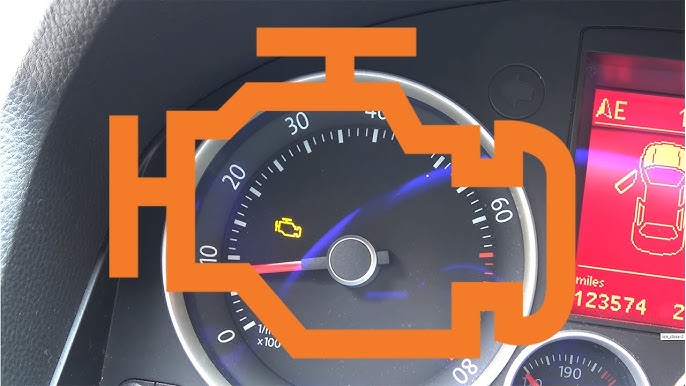
Every vehicle built after the mid-1990s uses a standardized OBD-II system to monitor engine performance and emissions. Sensors throughout the car constantly send data back to a central computer.
When a reading falls outside its expected range, the computer logs a specific trouble code tied to that system. Depending on the severity, it may immediately turn on the check engine light or wait for the pattern to repeat across several drive cycles first.
This built-in delay is actually intentional, designed to avoid triggering false alarms from a single, harmless sensor blip.
Drive Cycles and Why the Light Needs Time to Clear
A drive cycle is essentially one complete trip that includes a cold start, city driving, and highway speeds, allowing the car’s computer to test multiple systems. Many issues need several clean drive cycles before the check engine light turns off on its own.
This is why tightening a gas cap does not always clear the light instantly. The computer needs to confirm normal readings across a few full trips before it resets the warning completely.
Understanding this can prevent unnecessary worry if the light does not disappear within just a single short drive after a fix.
Vacuum Leaks and Their Role in Intermittent Codes
A small vacuum leak in one of the many hoses under the hood can cause unpredictable engine performance, sometimes triggering the check engine light only under specific conditions like idle or acceleration.
These leaks can be tricky to locate since they may only cause a noticeable issue when the engine reaches a certain temperature or vibration pattern, making them a classic cause of on-and-off warning lights.
A smoke test at a repair shop is often the most reliable way to pinpoint a vacuum leak that a basic scan alone cannot fully explain.
Battery and Electrical Connection Issues
A weak battery or corroded electrical connection can sometimes cause sensors to send irregular signals to the car’s computer, triggering the check engine light without an obvious mechanical fault.
Loose grounding wires or a failing alternator can create voltage fluctuations that intermittently confuse various sensors throughout the vehicle, leading to a warning light that seems to appear and disappear at random.
Checking battery terminals and overall electrical health is a simple step that is sometimes overlooked during initial troubleshooting.
Fuel Quality and Injector Performance
Using low-quality fuel or running on a nearly empty tank consistently can affect how fuel injectors perform, occasionally triggering codes related to the air-fuel mixture.
Contaminants in fuel or a partially clogged injector may not cause issues every single drive, which can explain a check engine light that comes and goes depending on the specific tank of fuel currently in use.
Switching to a reputable fuel source and keeping the tank above a quarter full can help reduce this type of intermittent trigger over time.
Transmission-Related Trouble Codes
While many people associate the check engine light purely with the engine, it can also reflect transmission-related issues detected by the OBD-II system. Shifting irregularities or sensor faults within the transmission can trigger the same warning light.
These codes may appear only during specific driving conditions, such as highway speeds or steep inclines, which is another reason the light might not stay on constantly.
Solid Light vs Flashing Light: Why It Matters
| Light Behavior | What It Usually Means | Recommended Action |
|---|---|---|
| Solid, steady light | Non-urgent issue detected | Schedule a repair shop visit soon |
| Flashing light | Active engine misfire | Stop driving and seek service immediately |
| Light comes on then off | Intermittent sensor or minor issue | Get a diagnostic scan as soon as possible |
Is It Safe to Keep Driving?
A steady check engine light usually means you can continue driving carefully for a short time, though a diagnostic check should not be delayed too long. Most issues at this stage are not immediate emergencies.
A flashing check engine light is a different story entirely. This typically signals an active misfire, which can quickly damage the catalytic converter and lead to far more expensive repairs if ignored.
Common Causes at a Glance
| Cause | Typical Trigger | Urgency Level |
|---|---|---|
| Loose gas cap | Fuel vapor leak | Low |
| Faulty oxygen sensor | Inconsistent exhaust readings | Medium |
| Dirty MAF sensor | Incorrect air-fuel ratio | Medium |
| Catalytic converter issue | Emission processing failure | Medium to high |
| Spark plug or coil misfire | Engine misfire | High |
How a Diagnostic Scan Helps
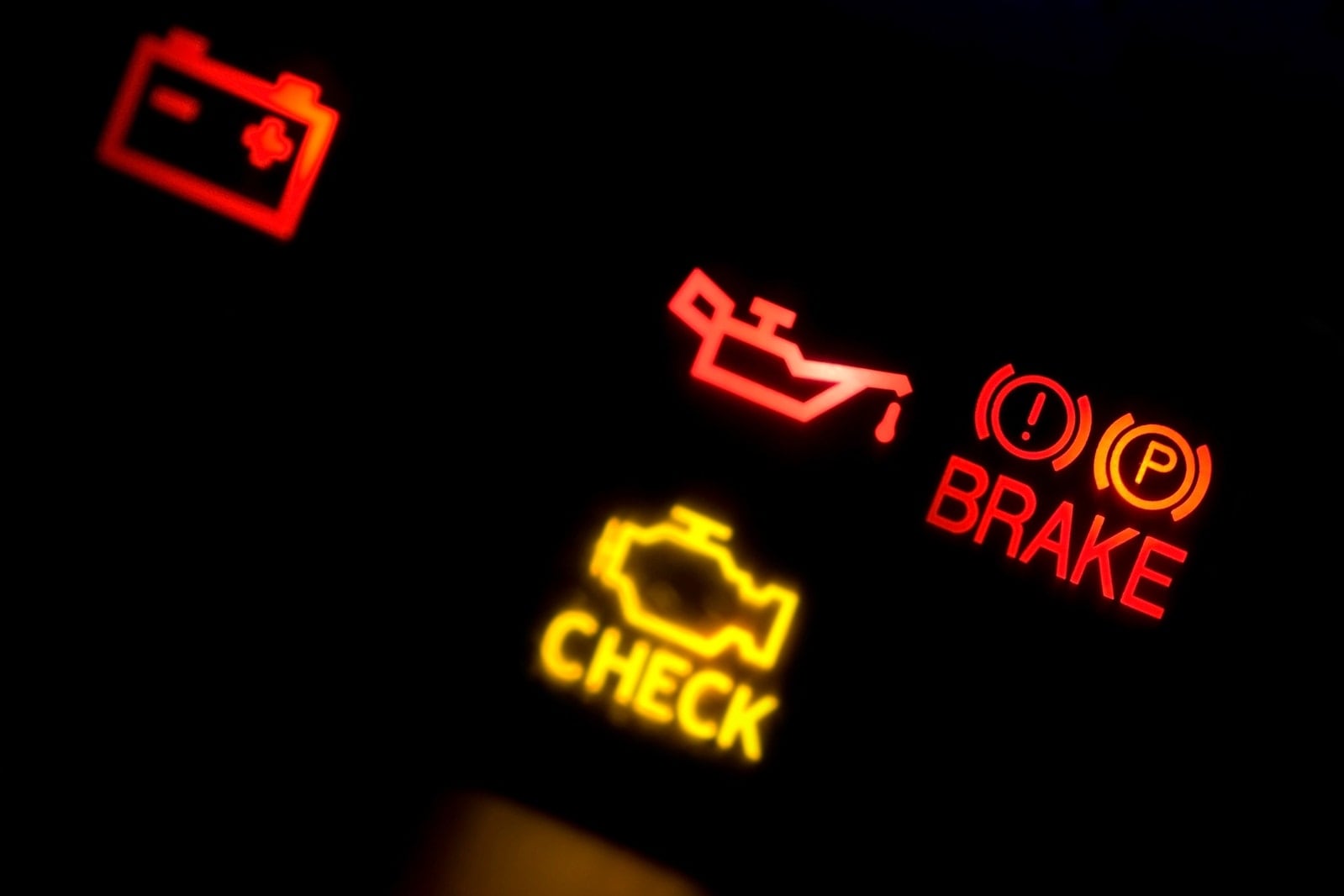
An OBD-II scanner reads stored trouble codes directly from your car’s computer, giving a clearer picture of what triggered the check engine light. Many auto parts stores offer this scan for free.
Even if the light is currently off, a scan can reveal pending codes tied to the earlier trigger. This information is valuable for a mechanic trying to pinpoint an intermittent issue.
Why Intermittent Problems Are Harder to Diagnose
Unlike a constant issue, an intermittent problem may not be present during a shop visit, making it harder for a mechanic to catch in real time. This is one reason diagnostic codes matter so much.
Keeping a simple log of when the light appears, what driving conditions were present, and how long it lasted can help a mechanic connect the pattern to a specific cause more quickly.
Step-by-Step Troubleshooting Guide
Start by checking and tightening your gas cap, since this is the simplest and most common cause of a flickering check engine light. Drive for a day or two afterward to see if the light returns.
Next, use an OBD-II scanner, either your own or a free service at an auto parts store, to pull any stored or pending codes. Write down the exact code numbers for reference.
If the codes point to a sensor, converter, or ignition issue, schedule a visit with a trusted mechanic rather than continuing to guess. Bringing your recorded codes speeds up their diagnosis significantly.
When to See a Mechanic Immediately
Seek immediate service if the check engine light is flashing, since this often points to an active misfire that risks damaging your catalytic converter within a short drive.
You should also seek prompt service if the check engine light is paired with noticeable symptoms like rough idling, stalling, unusual smells, or a clear drop in engine performance.
Preventing Future Intermittent Check Engine Lights
Routine maintenance is one of the best ways to prevent recurring check engine light issues. Replacing spark plugs, air filters, and oxygen sensors on schedule reduces the chance of sudden misfires or sensor failures.
Always double-check your gas cap is fully tightened after refueling, since this small habit prevents one of the most common and avoidable triggers of a flickering light.
Regular oil changes and keeping up with manufacturer-recommended service intervals also help catch small issues before they escalate into recurring warning lights.
Cost Considerations for Common Fixes
Fixing a loose or damaged gas cap is typically one of the least expensive repairs, often costing very little if the cap simply needs tightening or replacing.
Oxygen sensor and mass airflow sensor replacements are moderate in cost, while catalytic converter replacement tends to be significantly more expensive due to the part and labor involved.
Addressing smaller issues quickly, like a failing spark plug, can help you avoid the higher costs associated with catalytic converter damage caused by prolonged engine misfires.
Quick Troubleshooting Checklist
- Check and tighten your gas cap first
- Get a free OBD-II scan at an auto parts store
- Write down any stored or pending trouble codes
- Note when the light appears and driving conditions at the time
- Watch for a flashing light, which needs immediate attention
- Watch for symptoms like rough idling or stalling
- Schedule a mechanic visit if the light keeps returning
- Stay current on routine maintenance to prevent repeat issues
Should You Use a DIY Code Reader at Home?
Owning a basic OBD-II code reader can save time and money for drivers who frequently want to check their own vehicle before heading to a shop. These readers are affordable and simple to plug into the diagnostic port under the dashboard.
While a code reader tells you which system triggered the fault, it does not always explain the full root cause on its own. Pairing the code with a bit of research or a professional opinion still gives the most accurate picture.
For drivers who prefer convenience, many auto parts stores will read codes for free, making a personal code reader more of an optional upgrade than a necessity.
How Mechanics Diagnose Intermittent Check Engine Lights
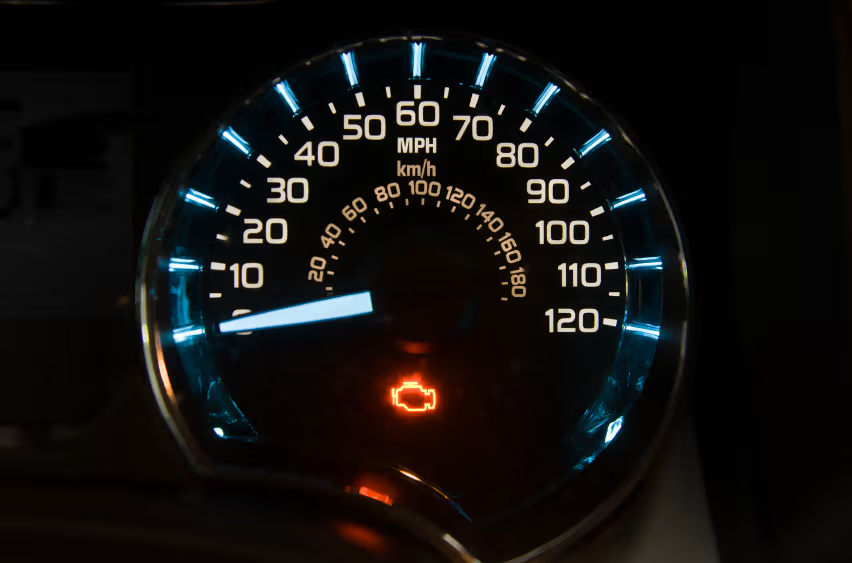
Professional mechanics often start by pulling both active and pending trouble codes, then cross-referencing them with the specific symptoms a driver describes, such as when the light appeared and under what conditions.
Some shops use freeze-frame data, which records the exact engine conditions at the moment a code was triggered, including speed, temperature, and RPM. This snapshot can be extremely useful for tracking down an inconsistent issue.
In more stubborn cases, a mechanic may recommend a monitored test drive with diagnostic equipment attached, allowing them to watch live sensor data as the issue potentially reoccurs in real time.
Common Myths About the Check Engine Light
One common myth is that a check engine light always means a serious, expensive problem. In reality, many triggers, like a loose gas cap, are minor and inexpensive to resolve.
Another myth is that if the light turns off, the issue is automatically fixed. As explained earlier, pending codes can remain stored even after the light disappears, meaning the underlying cause may still exist.
Some drivers also believe ignoring an intermittent light is harmless since it is not staying on constantly. However, recurring triggers, especially those tied to misfires, can cause cumulative damage over time if left unaddressed.
How This Issue Differs Across Older and Newer Vehicles
Older vehicles with more basic OBD-II systems may have fewer sensors overall, sometimes making problems easier to isolate once a code is pulled. However, aging components like spark plugs and gaskets are also more likely to fail intermittently.
Newer vehicles often have far more sensors and interconnected computer systems, which can make pinpointing an intermittent issue more complex, even though the diagnostic data available is usually more detailed and precise.
Regardless of vehicle age, the fundamentals remain the same: pending codes, drive cycles, and the distinction between a solid and flashing light all still apply.
Final Thoughts Before You Head to the Shop
A check engine light that comes and goes is your car’s way of flagging something worth investigating, even if it does not demand an emergency stop every single time. Taking it seriously early on almost always saves money compared to waiting for a minor issue to turn into a major repair.
Keeping a simple record of when the light appears, alongside a quick diagnostic scan, gives you and your mechanic the clearest path to a fast, accurate fix.
Frequently Asked Questions (FAQs)
1. Why does my check engine light come on and then turn off by itself?
This usually means an intermittent sensor issue, temporary condition, or a loose gas cap that briefly triggered a fault code.
2. Is it safe to drive with a check engine light that comes and goes?
Generally yes for a short time if the light is steady, but a flashing light means you should stop driving immediately.
3. Can a loose gas cap really cause this issue?
Yes, a loose or damaged gas cap is one of the most common and easiest-to-fix causes of a flickering check engine light.
4. What does a flashing check engine light mean?
A flashing light usually signals an active engine misfire that can damage your catalytic converter if ignored.
5. Should I still get a diagnostic scan if the light is off?
Yes, pending trouble codes are often stored even after the light turns off, and a scan can reveal them.
6. Can weather or temperature cause the check engine light to flicker?
Yes, temperature and humidity changes can affect sensor readings, sometimes triggering the light intermittently.
7. How much does it cost to fix a check engine light issue?
Costs vary widely, from a simple free gas cap fix to a more expensive catalytic converter replacement.
8. Can a faulty oxygen sensor cause the light to come and go?
Yes, an oxygen sensor sending inconsistent readings is a common cause of an intermittent check engine light.
9. Why is my check engine light hard for mechanics to diagnose?
Intermittent problems may not be present during the shop visit, making stored diagnostic codes essential for accurate diagnosis.
10. When should I stop driving immediately because of this light?
Stop driving right away if the light is flashing or accompanied by stalling, rough idling, or unusual smells.
Conclusion
A check engine light that comes on and then turns off is rarely something to fully ignore, even though it can feel like a false alarm. In most cases, this pattern points to an intermittent issue like a loose gas cap, a failing oxygen sensor, a dirty mass airflow sensor, or an early-stage catalytic converter problem.
The behavior of the light itself matters just as much as the cause, since a steady light usually allows for a short delay before service, while a flashing light demands immediate attention to avoid costly engine or catalytic converter damage.
A diagnostic scan remains the most reliable way to understand what triggered the light, even after it has already turned off, since pending codes are often still stored in your vehicle’s computer.
Staying on top of routine maintenance and addressing small issues early can prevent this frustrating cycle from repeating and help keep your vehicle running safely and efficiently for the long term.