Why Does My RPM Go Up and Down While Parked? Is It Normal? 2026
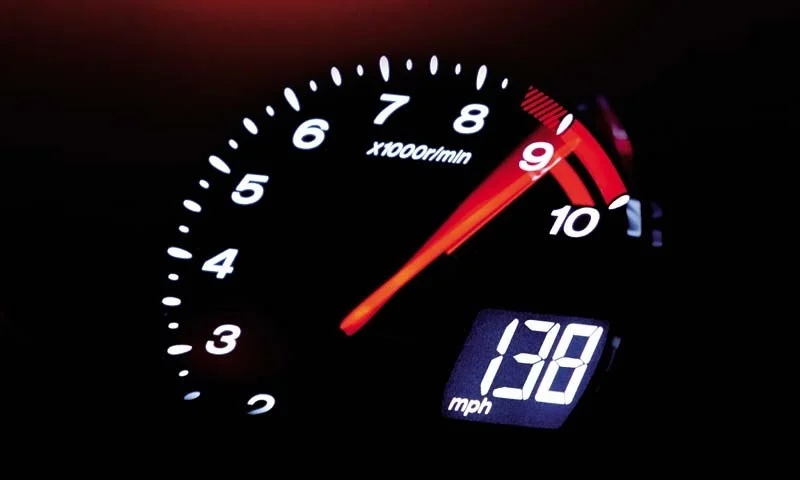
Why does my RPM go up and down while parked is a question many drivers ask the moment they glance at the dashboard and see the needle bouncing around. It can feel unsettling, especially if the car has never behaved this way before.
In most cases, a small amount of movement is completely normal, since the engine computer constantly adjusts idle speed to stay stable. However, larger or repeated swings often point to an underlying issue like a vacuum leak, a dirty throttle body, or a failing sensor.
Why Does My RPM Go Up and Down While Parked?
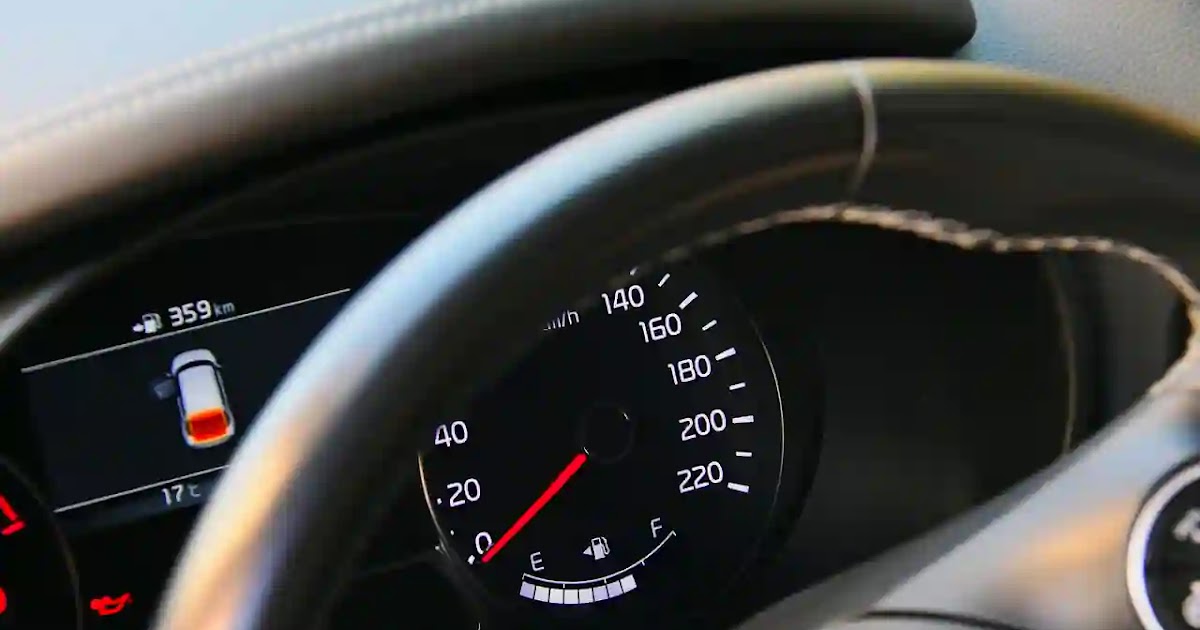
Most gasoline engines idle somewhere between 600 and 1,000 RPM when the car is parked and the engine is warm.
Small, brief movements of 50 to 100 RPM are considered normal, since the engine control unit constantly fine-tunes airflow and fuel delivery.
Understanding this baseline helps you judge whether your fluctuation is harmless or a sign that something needs attention.
Signs Your RPM Fluctuation Is Not Normal
If the RPM swings by 300 or more, or the engine noticeably surges and drops repeatedly, this is generally outside the range of normal idle behavior.
Rough idling, stalling, unusual noises, or a check engine light appearing alongside the fluctuation are all signs that a mechanical or sensor issue is likely present.
Common Causes of RPM Going Up and Down While Parked
Vacuum Leak
A vacuum leak allows unmetered air into the engine without passing through the mass airflow sensor, causing the air-fuel mixture to run lean and the RPM to surge unpredictably.
Inspecting vacuum hoses for cracks or loose connections and replacing damaged sections usually restores a stable idle quickly.
Dirty or Faulty Idle Air Control Valve
The idle air control valve regulates how much air bypasses the throttle plate at idle, and a dirty or stuck valve can cause the RPM to hunt up and down.
Cleaning the valve with throttle body cleaner, or replacing it if it is damaged, typically resolves this issue.
Dirty Throttle Body
Carbon buildup inside the throttle body can restrict airflow unevenly, causing the engine computer to overcorrect and the RPM to swing noticeably.
A professional or DIY throttle body cleaning restores smooth, consistent airflow and often eliminates the fluctuation entirely.
Faulty Mass Airflow Sensor
The mass airflow sensor measures incoming air so the engine computer can deliver the right amount of fuel, and a dirty or failing sensor sends inaccurate readings.
Cleaning the sensor with a MAF-specific cleaner or replacing it if faulty usually brings idle speed back to normal.
Failing Throttle Position Sensor
The throttle position sensor tells the engine computer where the throttle plate is positioned, and a failing sensor can cause the computer to misread throttle input even at idle.
Diagnosing the sensor with a scan tool and replacing it if it is out of range typically restores smooth idling.
Fuel Delivery Problems
Clogged fuel injectors, a weak fuel pump, or a failing fuel pressure regulator can all cause inconsistent fuel delivery, leading to RPM surges while parked.
Using a fuel system cleaner or having injectors professionally cleaned often resolves mild fuel delivery issues.
Worn or Fouled Spark Plugs
Spark plugs that are worn, fouled, or gapped incorrectly can cause inconsistent combustion, which shows up as a rough, fluctuating idle.
Replacing spark plugs according to the manufacturer’s recommended interval usually restores a smooth and stable idle speed.
Failing PCV Valve
The positive crankcase ventilation valve regulates pressure inside the engine, and a stuck or failing PCV valve can introduce extra air that disrupts idle stability.
Replacing a faulty PCV valve is an inexpensive fix that often resolves fluctuating RPM within minutes of installation.
Cam Phaser or Variable Valve Timing Issues
When a cam phaser malfunctions, the engine computer loses precise control over valve timing, which can cause weak acceleration and fluctuating RPM at idle.
Diagnosing this typically requires a scan tool, and repair usually involves replacing the affected cam phaser or timing components.
Weak Battery or Failing Alternator
A weak battery or failing alternator can deliver inconsistent voltage to the engine computer and sensors, leading to irregular idle behavior and RPM surges.
Testing the battery and charging system with a multimeter helps confirm whether this electrical issue is the root cause.
AC Compressor Engagement
When the air conditioning compressor clutch engages, it adds a sudden load to the engine, and the computer briefly raises RPM to compensate.
This type of fluctuation is generally normal and expected, especially in hot weather when the AC cycles frequently.
Cold Weather or Cold Engine Startup
Engines often idle higher and less consistently when cold, since the computer raises RPM temporarily to help the engine reach normal operating temperature faster.
This fluctuation typically settles down within a few minutes once the engine warms up fully.
EGR Valve Problems
A stuck or leaking exhaust gas recirculation valve can allow too much exhaust gas back into the intake, disrupting combustion and causing the idle to surge or dip.
Cleaning or replacing the EGR valve usually restores normal combustion and a stable idle.
Failing Oxygen Sensor
A failing oxygen sensor can send inaccurate air-fuel ratio data to the engine computer, causing it to constantly overcorrect fuel delivery and creating a fluctuating idle.
Replacing a faulty oxygen sensor typically restores accurate fuel trim readings and stabilizes idle speed within a short drive cycle.
Loose or Damaged Engine Mounts
Worn or broken engine mounts can allow the engine to shift slightly during idle, which some drivers mistake for RPM fluctuation when it is actually engine movement.
A mechanic can visually inspect mounts for cracking or excessive movement and replace any that are worn beyond safe limits.
Transmission Torque Converter Issues
In automatic vehicles, a torque converter that is not fully disengaging can place unexpected load on the engine while parked, contributing to idle fluctuation.
Diagnosing this typically requires a transmission specialist, since the issue is separate from standard engine idle components.
Software or ECU Calibration Issues
Occasionally, an outdated engine control unit calibration or a recent software update can cause temporary idle instability until the system fully adapts.
A dealership or qualified shop can check for available ECU updates that may resolve idle-related quirks reported for specific makes and models.
Table: Additional Causes and Their Fixes
| Additional Cause | Typical Symptom | Recommended Fix |
|---|---|---|
| Failing oxygen sensor | Fuel trim errors | Replace oxygen sensor |
| Worn engine mounts | Perceived RPM shake | Inspect and replace mounts |
| Torque converter issue | Load-related fluctuation | Transmission specialist diagnosis |
| Outdated ECU software | Intermittent idle instability | Check for software updates |
How Idle Fluctuation Differs by Fuel Type
Diesel engines often idle at slightly different RPM ranges than gasoline engines and can show more noticeable fluctuation due to their different fuel injection systems.
Flex-fuel vehicles running on higher ethanol blends may experience mild idle differences as the engine computer adjusts fuel trims for the fuel composition.
Direct injection gasoline engines can be more sensitive to carbon buildup on intake valves, which sometimes shows up as idle fluctuation over time.
Real-World Scenarios Drivers Commonly Report
Many drivers first notice fluctuating RPM after a recent oil change, air filter replacement, or other routine maintenance, which can temporarily disturb idle settings.
Others report the issue appearing suddenly after driving through deep water or a car wash, which can sometimes affect sensors or electrical connections temporarily.
A fluctuation that appears only when accessories like headlights, wipers, or the radio are on may point toward an alternator or electrical load issue rather than a mechanical one.
Warning Signs You Should Not Ignore
A sudden drop in RPM followed by the engine nearly stalling is a stronger warning sign than a simple back-and-forth fluctuation and deserves prompt attention.
Unusual smells, such as burning rubber or gasoline, accompanying the fluctuation may indicate a leak that should be inspected immediately rather than delayed.
Repeated fluctuation that worsens specifically when the engine is under load, such as while braking or steering, suggests a developing issue rather than a one-time glitch.
Tools That Help You Monitor RPM at Home
A basic OBD2 scanner allows you to view live RPM data alongside fuel trims, giving a clearer picture of whether readings are within a normal range.
Many scanner apps can log data over time, which helps identify whether fluctuation happens randomly or consistently under specific conditions like AC use or cold starts.
Keeping a simple log of when fluctuation occurs, including weather, accessory use, and engine temperature, makes it easier to share useful details with a mechanic.
Final Checklist Before You Decide on a Repair
Confirm whether the fluctuation happens only under specific conditions, such as cold starts or AC use, since this often points toward normal behavior rather than a fault.
Rule out the easy, low-cost checks first, including vacuum hoses, throttle body cleanliness, and battery voltage, before considering sensor or component replacement.
If symptoms persist after these checks, a full diagnostic scan at a trusted shop will pinpoint the exact cause faster than continued guesswork.
Bringing along notes on when the fluctuation happens, any accompanying sounds or smells, and recent maintenance history helps the technician narrow down the diagnosis on the first visit. This small step often saves both time and unnecessary diagnostic fees for a problem that is usually straightforward to trace and repair once the right cause is identified.
Quick Reference Table: Causes and Fixes
| Common Cause | Typical Symptom | Recommended Fix |
|---|---|---|
| Vacuum leak | Sudden RPM surges | Inspect and replace hoses |
| Dirty IAC valve | Hunting idle | Clean or replace valve |
| Dirty throttle body | Uneven airflow | Clean throttle body |
| Faulty MAF sensor | Inconsistent idle | Clean or replace sensor |
| Failing TPS | Sudden RPM spikes | Replace throttle position sensor |
| Fuel delivery issue | Rough, surging idle | Clean injectors, check fuel pump |
| Worn spark plugs | Rough idle | Replace spark plugs |
| Failing PCV valve | Fluctuating idle | Replace PCV valve |
How Mechanics Diagnose Fluctuating RPM
A diagnostic scan tool is usually the first step, since it can reveal stored trouble codes related to sensors, fuel trims, or ignition timing.
Mechanics often inspect vacuum hoses visually and listen for a hissing sound, which can indicate the exact location of a vacuum leak.
Checking live sensor data, such as MAF and throttle position readings, while the engine idles helps confirm whether a specific sensor is misbehaving.
A visual inspection of the throttle body, spark plugs, and PCV valve rounds out a thorough diagnostic process for idle-related issues.
Step-by-Step Fixes You Can Try at Home
Step 1: Check for Obvious Vacuum Leaks
Listen for a hissing sound near the intake manifold and visually inspect hoses for cracks, looseness, or disconnection points.
Step 2: Clean the Throttle Body
Remove the air intake hose, spray throttle body cleaner on a rag, and gently wipe away carbon deposits from the throttle plate and housing.
Step 3: Inspect the Idle Air Control Valve
Locate the IAC valve, typically near the throttle body, and clean it with an approved cleaner if it appears dirty or gummed up.
Step 4: Check the Battery and Charging System
Use a multimeter to confirm battery voltage is within a healthy range and that the alternator is charging properly while the engine runs.
Step 5: Replace Spark Plugs if Overdue
If spark plugs have not been replaced within the manufacturer’s recommended mileage, install new ones matched to your vehicle’s specifications.
Step 6: Scan for Trouble Codes
Plug in an OBD2 scanner to check for stored codes related to airflow, fuel trims, or sensor malfunctions that point to a specific fix.
Table: DIY Difficulty by Fix
| Fix | Tools Needed | Difficulty Level |
|---|---|---|
| Vacuum hose inspection | Flashlight, visual check | Easy |
| Throttle body cleaning | Cleaner spray, screwdriver | Easy to moderate |
| IAC valve cleaning | Cleaner spray, wrench | Moderate |
| Spark plug replacement | Socket set, gap tool | Moderate |
| Sensor replacement | Scan tool, basic tools | Moderate to advanced |
| Cam phaser repair | Professional equipment | Advanced, mechanic recommended |
When to See a Mechanic Instead of DIY
If the RPM fluctuation is accompanied by a check engine light, stalling, or unusual noises, professional diagnosis is strongly recommended rather than continued DIY troubleshooting.
Persistent fluctuation after trying basic fixes like throttle body cleaning or spark plug replacement usually indicates a sensor or wiring issue that needs specialized equipment.
Any suspected cam phaser, timing chain, or internal engine component issue should always be handled by a qualified mechanic to avoid further damage.
Is Driving Safe With a Fluctuating RPM
Mild fluctuation while parked is generally safe to drive with, though it is worth monitoring closely for worsening symptoms over the following days.
Stalling at idle, especially at stoplights or in traffic, raises safety concerns and should be addressed before continuing regular driving.
If the fluctuation is paired with a burning smell, smoke, or warning lights, it is safer to have the vehicle towed rather than driven to a shop.
How RPM Fluctuation Differs Across Vehicle Types
Older vehicles with mechanical throttle cables tend to show more noticeable idle fluctuation than modern vehicles using electronic throttle control systems.
Turbocharged engines can experience slightly more pronounced fluctuation due to additional components like wastegates and boost control solenoids affecting idle stability.
Hybrid vehicles rarely show traditional RPM fluctuation at idle, since the internal combustion engine frequently shuts off entirely during low-demand situations.
Preventing Future RPM Fluctuation
Following your vehicle’s recommended maintenance schedule for spark plugs, air filters, and fuel system cleaning significantly reduces the risk of idle problems developing.
Using quality fuel and having the throttle body cleaned periodically helps prevent carbon buildup that commonly leads to fluctuating idle speed.
Addressing small vacuum leaks or sensor warning signs early prevents them from developing into more expensive repairs down the road.
Cost Considerations for Common Repairs
Cleaning the throttle body or IAC valve is typically an affordable repair, often costing far less than replacing a sensor or major component.
Sensor replacements, including MAF and throttle position sensors, usually fall into a moderate price range depending on the vehicle make and model.
Cam phaser or timing-related repairs tend to be the most expensive fix on this list, since they often require significant labor time.
Getting a diagnostic scan before committing to any repair helps avoid replacing parts that are not actually causing the fluctuation.
Frequently Asked Questions (FAQs)
Is it normal for RPM to go up and down while parked?
Yes, small fluctuations of 50 to 100 RPM are normal, since the engine computer constantly fine-tunes idle. Larger, repeated swings usually indicate an underlying mechanical or sensor issue.
Can a vacuum leak cause RPM to fluctuate?
Yes, a vacuum leak lets unmetered air into the engine, causing a lean mixture the computer struggles to correct. This often makes the RPM surge unpredictably at idle.
Does a dirty throttle body cause fluctuating RPM?
Yes, carbon buildup restricts smooth, even airflow through the throttle body. Cleaning it with throttle body cleaner usually resolves the fluctuation quickly and affordably.
Can AC use cause RPM to rise while parked?
Yes, the AC compressor adds sudden load to the engine, and the computer briefly raises RPM to compensate for that extra demand. This is completely normal behavior.
Should I worry about RPM fluctuation in cold weather?
Usually not, since engines idle higher and less smoothly when cold to reach operating temperature faster. It typically settles once the engine fully warms up.
Can a weak battery cause RPM to fluctuate?
Yes, inconsistent voltage from a weak battery or failing alternator can disrupt sensor readings and confuse the engine computer, causing irregular idle behavior.
Is it safe to drive with fluctuating RPM?
Mild fluctuation is generally safe short term, but stalling, warning lights, or worsening symptoms while driving should be checked by a mechanic promptly.
Can spark plugs cause RPM to go up and down?
Yes, worn or fouled spark plugs cause inconsistent combustion cycles. Replacing them at the recommended interval often restores a smooth, stable idle speed.
How much does it cost to fix fluctuating RPM?
Costs vary widely, from an affordable throttle body cleaning under fifty dollars to a more expensive sensor or cam phaser repair depending on the exact cause.
When should I take my car to a mechanic for this issue?
If a check engine light appears, the car stalls, or basic DIY fixes do not help within a few days, a professional diagnostic scan is recommended.
Conclusion
Why does my RPM go up and down while parked usually comes down to either normal engine computer adjustments or a fixable mechanical issue. Small fluctuations of under 100 RPM are typically nothing to worry about, especially when accessories like the AC are running or the engine is still warming up.
Larger or repeated swings often point to a vacuum leak, a dirty throttle body, a failing sensor, or worn spark plugs. Working through simple checks like inspecting vacuum hoses, cleaning the throttle body, and scanning for trouble codes resolves most cases without a major repair bill.
If the fluctuation continues after basic troubleshooting or comes with warning lights and stalling, having a mechanic run a full diagnostic is the safest next step to protect your engine long term.