Why Is My Dog Drooling All of a Sudden? Is It Serious? 2026
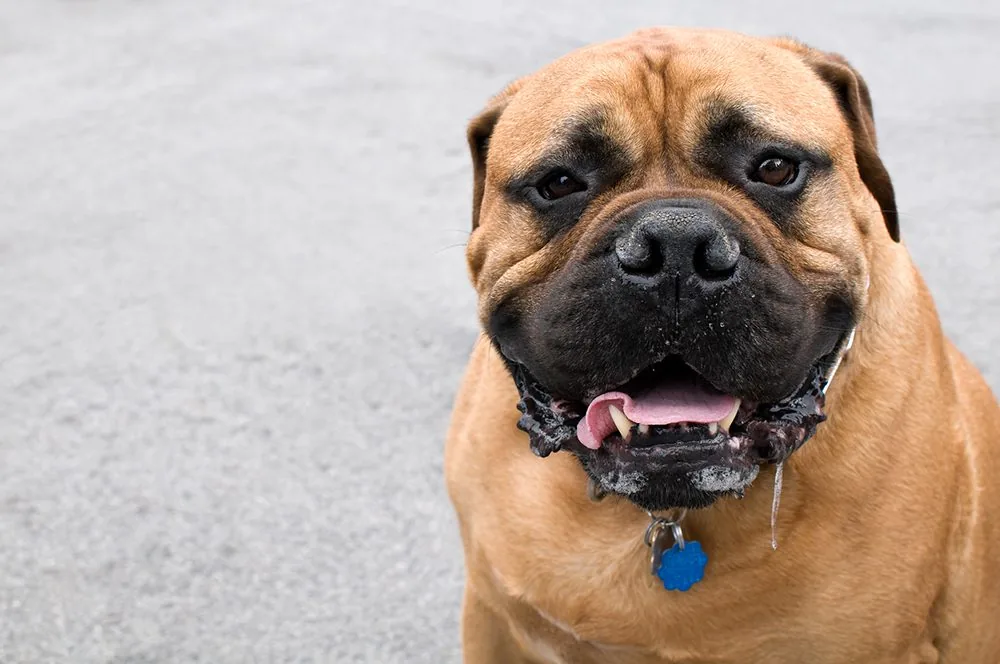
Why is my dog drooling all of a sudden is one of the most common questions pet owners ask when they notice a wet chin out of nowhere. Some drooling is completely normal, especially around food or excitement.
But a sudden change from a dry-mouthed dog to a slobbery one can also point to dental pain, nausea, anxiety, or even poisoning.
Is Some Drooling Normal for Dogs?
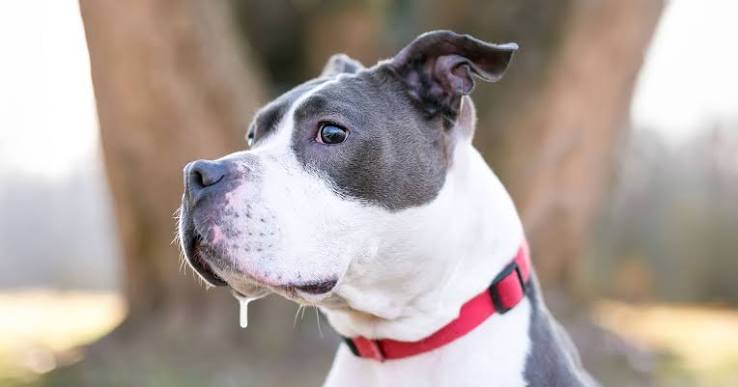
Yes. Many dogs drool a little around food, treats, or exciting moments like a walk.
Breeds with loose jowls, such as Saint Bernards, Mastiffs, and Bloodhounds, naturally drool more than others due to their facial structure.
Normal vs Concerning Drooling Table
| Type | Signs | Action Needed |
|---|---|---|
| Normal drooling | Brief, tied to food or excitement | None |
| Breed-related drooling | Constant but consistent over time | None, just regular cleanup |
| Sudden new drooling | Appears out of nowhere, no clear trigger | Monitor closely |
| Excessive drooling with symptoms | Paired with vomiting, pain, or lethargy | See a vet promptly |
Why Sudden Drooling Gets Owners Worried
A dog that rarely drools and then suddenly starts is a real behavior change, not a coincidence.
Sudden onset drooling often means something new is bothering your dog, whether it is physical pain or an upset stomach.
Common Harmless Causes of Sudden Drooling
Not every case of sudden drooling is an emergency. Several everyday triggers are completely explainable.
Excitement or Anticipation
Dogs drool when they smell food cooking or see a favorite treat coming their way.
This type of drooling stops quickly once the exciting moment passes.
Car Rides and Motion Sickness
Many dogs drool heavily during car rides due to motion sickness, similar to how humans feel queasy.
This usually comes with restlessness, lip licking, or occasional vomiting during travel.
Anxiety or Stress
Loud noises, vet visits, thunderstorms, or new environments can trigger stress-related drooling.
Anxious dogs may also pant, pace, or hide alongside the excess saliva.
Heat and Overheating
Hot weather increases panting, which naturally increases drooling as dogs try to cool down.
Watch closely for lethargy or heavy panting, since this can be an early sign of heat exhaustion.
Medical Causes That Need Attention
Some causes of sudden drooling are medical and should not be ignored for long.
Dental Problems
Abscessed teeth, broken teeth, and gum disease are among the most common causes of new drooling.
Dogs in dental pain may also paw at their mouth, chew on one side, or avoid hard food.
Something Stuck in the Mouth
Sticks, bones, or foreign objects lodged between teeth or under the tongue can trigger sudden drooling.
Check your dog’s mouth gently if they are pawing at their face or acting distressed.
Nausea and Digestive Upset
Nausea from dietary indiscretion, gastritis, or an upset stomach commonly causes hypersalivation before vomiting.
This is your dog’s body preparing to vomit, even if nothing comes up right away.
Oral Growths or Tumors
Lumps or masses in the mouth, whether harmless or cancerous, can cause ongoing drooling and discomfort.
A vet exam can determine whether a growth needs monitoring or treatment.
Toxins and Poisoning: A Serious Cause
Sudden, heavy drooling is one of the earliest warning signs of toxin exposure in dogs.
Common Toxic Triggers Table
| Category | Examples | Other Signs to Watch |
|---|---|---|
| Toxic plants | Lily of the valley, azaleas, daffodils, oleander | Vomiting, diarrhea, seizures |
| Toxic foods | Chocolate, xylitol, grapes, onions | Vomiting, tremors, weakness |
| Household chemicals | Bleach, cleaning products, antifreeze | Drooling, lethargy, collapse |
| Animal encounters | Toad licking, insect stings, spider bites | Pawing at mouth, swelling |
If poisoning is suspected, contact your vet or a pet poison hotline immediately rather than waiting for more symptoms.
Bloat (GDV): A Life-Threatening Emergency
Bloat, also called gastric dilatation-volvulus, is a true emergency that can cause sudden, heavy drooling.
Affected dogs often try to vomit without success, appear restless, and develop a visibly swollen stomach.
Large, deep-chested breeds face higher risk, but any dog can develop bloat, and it requires immediate emergency care.
Seizures and Neurological Causes
Dogs commonly drool heavily during or right after a seizure, a phase known as the post-ictal period.
Other neurological signs include disorientation, wobbliness, or temporary confusion following the drooling episode.
Warning Signs That Mean It’s Time to See a Vet
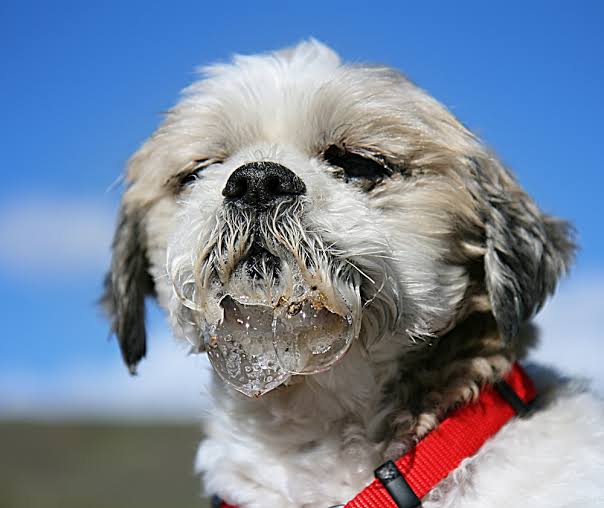
Certain symptoms alongside drooling should never be ignored, even if your dog otherwise seems fine.
Red Flag Symptoms List
- Sudden swelling around the face, neck, or mouth
- Drooling paired with vomiting, diarrhea, or lethargy
- Pawing at the mouth or holding it partially open
- Visible blood in the saliva
- Difficulty breathing or swallowing
- Drooling that lasts more than a few hours with no clear cause
When Drooling Is a True Emergency
Some situations call for immediate emergency care rather than a routine vet appointment.
Seek emergency help right away if drooling is paired with collapse, seizures, suspected toxin exposure, or trouble breathing.
A swollen abdomen combined with drooling and unsuccessful attempts to vomit should always be treated as an emergency.
What to Do at Home Before the Vet Visit
A few simple steps can help while you prepare to see a veterinarian.
- Gently check your dog’s mouth for visible objects, swelling, or injuries.
- Note any recent access to plants, food, chemicals, or trash.
- Keep your dog calm and limit unnecessary movement.
- Bring a sample or packaging of any suspected toxin to the vet visit.
- Avoid giving human medications without veterinary guidance.
How Vets Diagnose the Cause of Sudden Drooling
A veterinarian typically starts with a full oral exam to rule out dental pain or foreign objects.
Bloodwork, imaging, or toxin screening may follow if the cause isn’t obvious from the physical exam alone.
Preventing Sudden Drooling Episodes
While not all drooling can be prevented, several habits lower the risk of sudden episodes.
- Schedule regular dental checkups to catch problems early.
- Keep toxic plants, foods, and chemicals out of reach.
- Avoid giving bones or hard chew toys that can crack teeth.
- Limit car travel stress with gradual training and vet-approved motion sickness support.
- Avoid exercising your dog during extreme heat.
Breed-Specific Drooling Patterns
Some breeds are simply built to drool more, and this is not a cause for concern on its own.
High-Drool Breed Table
| Breed | Drooling Level |
|---|---|
| Saint Bernard | Very high |
| Bloodhound | Very high |
| Mastiff | High |
| Newfoundland | High |
| Labrador Retriever | Low to moderate |
| Chihuahua | Low |
Owners of naturally droolier breeds should still watch for sudden changes from their dog’s own normal baseline.
The Bottom Line on Sudden Drooling
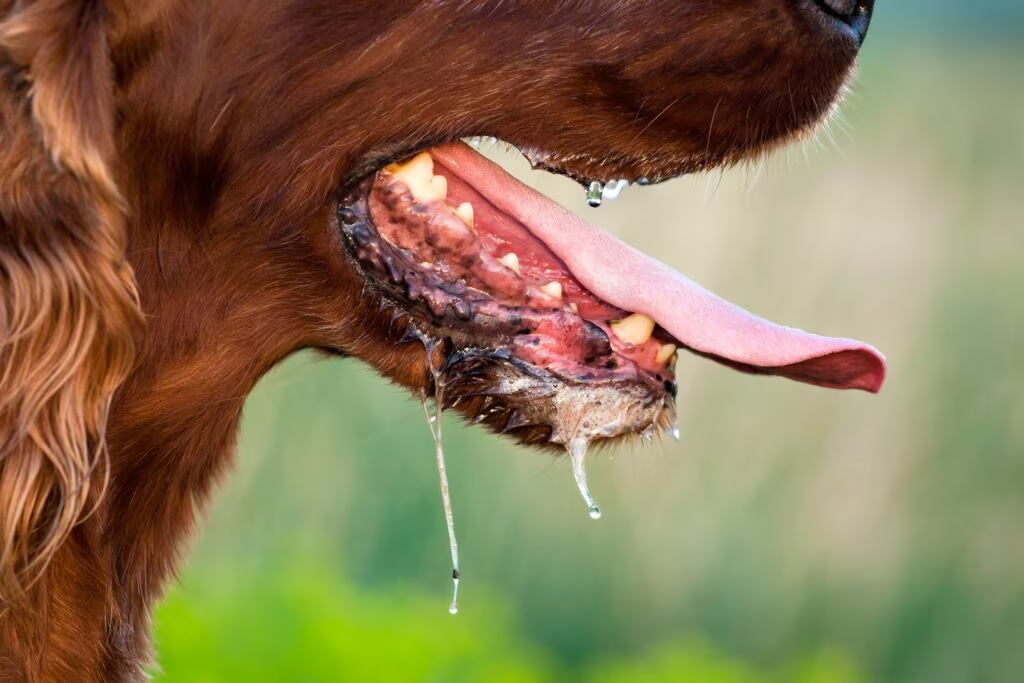
Sudden drooling is often harmless and tied to excitement, car rides, or hot weather.
But when it comes with pain, vomiting, swelling, or behavior changes, it deserves prompt veterinary attention rather than a wait-and-see approach.
Frequently Asked Questions (FAQs)
1. Why is my dog drooling all of a sudden with no other symptoms?
It’s often tied to excitement, anticipation of food, or mild anxiety, and usually resolves on its own quickly.
2. Is sudden drooling always an emergency?
No. Only drooling paired with vomiting, swelling, breathing trouble, or collapse needs immediate emergency care.
3. Can dental problems cause sudden drooling?
Yes. Abscessed or broken teeth are one of the most common causes of new, unexplained drooling.
4. Can car rides cause my dog to drool suddenly?
Yes. Motion sickness during car travel is a very common and harmless cause of sudden drooling.
5. What toxic foods cause drooling in dogs?
Chocolate, xylitol, grapes, and onions can all trigger sudden drooling along with vomiting or tremors.
6. Does bloat cause sudden drooling?
Yes. Bloat causes heavy drooling along with a swollen belly and failed attempts to vomit.
7. Can anxiety make a dog drool suddenly?
Yes. Stress from thunderstorms, vet visits, or new environments can trigger sudden excess saliva.
8. Should I check my dog’s mouth if they suddenly drool?
Yes. Gently check for stuck objects, swelling, or injuries before deciding whether to call a vet.
9. Can hot weather cause sudden drooling in dogs?
Yes. Overheating increases panting and drooling, and can signal early heat exhaustion if severe.
10. When should I take my drooling dog to the vet immediately?
Go immediately if drooling comes with seizures, collapse, breathing trouble, or suspected poisoning.
Conclusion
Sudden drooling in dogs can mean almost nothing, like excitement over dinner, or it can signal something serious, like dental pain, poisoning, or bloat.
The key is watching for patterns: brief drooling tied to food or car rides is rarely concerning, while drooling paired with vomiting, swelling, seizures, or lethargy is not.
Dental issues, nausea, anxiety, toxin exposure, and neurological problems are among the most common medical explanations behind a sudden change. Knowing your dog’s normal drooling baseline makes it much easier to spot when something is actually wrong.
When in doubt, a quick call to your veterinarian costs far less than waiting through a true emergency. Trust the pattern of symptoms, not just the drool itself, to decide how quickly you need help.