Why Is My 2 Month Old Drooling So Much? Health Facts 2026
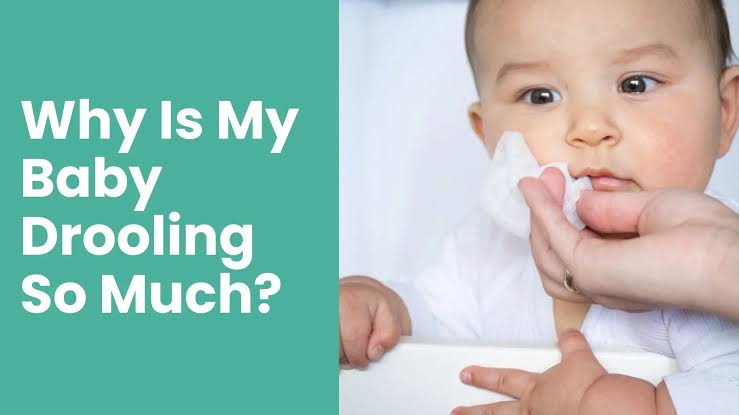
Why is my 2 month old drooling so much all of a sudden, soaking through bibs and even onesies throughout the day? This is one of the most common questions new parents search for, and the good news is that increased drooling around this age is almost always a normal part of development.
At two months old, a baby’s salivary glands are becoming more active, but the muscles needed to swallow saliva efficiently are still maturing.
Why Is My 2 Month Old Drooling So Much?
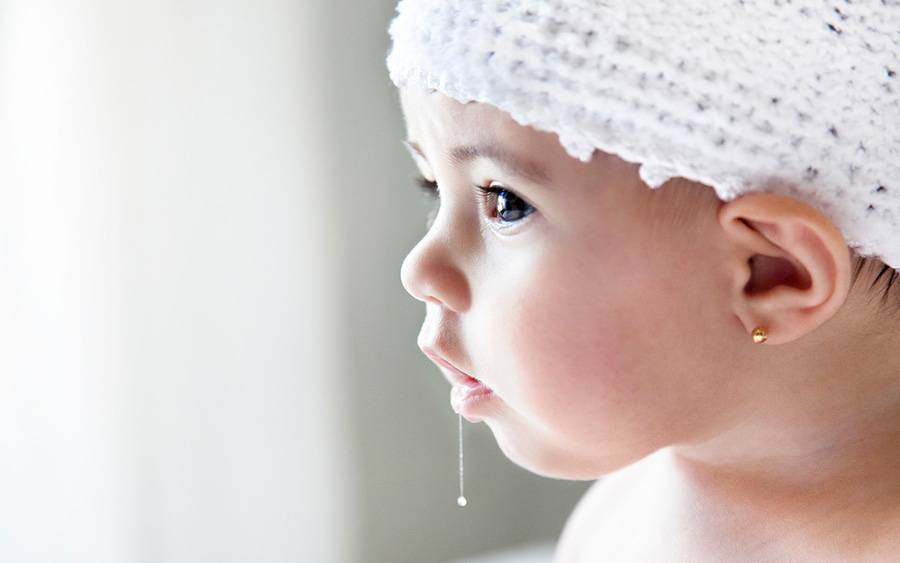
Around two months of age, a baby’s three main salivary glands, the parotid, submandibular, and sublingual glands, begin producing significantly more saliva. This increase happens before the baby has fully learned to manage and swallow that extra fluid.
The mismatch between saliva production and swallowing control is the main reason for the sudden wet chin and constant bib changes.
This stage is a normal, expected part of oral development rather than a sign that something is wrong.
Quick Overview: Common Causes of Increased Drooling
Before exploring each cause in detail, here is a summary table of the most common reasons a 2-month-old drools heavily.
| Cause | How Common | Cause for Concern? |
|---|---|---|
| Normal salivary gland development | Very common | No |
| Preparing for solid foods later | Very common | No |
| Early teething signs | Common | No |
| Chewing on hands and objects | Common | No |
| Reflux (GERD) | Moderate | Sometimes |
| Oral irritation or mild illness | Less common | Sometimes |
| Low muscle tone (hypotonia) | Rare | Yes |
| Feeding or swallowing difficulty | Rare | Yes |
How Much Saliva Do Babies Actually Produce
It may be surprising to learn just how much saliva a baby’s small body produces during this stage. On average, babies can produce between 2 and 4 pints of saliva per day.
This is a significant amount of fluid for such a small body to manage, especially before swallowing coordination has fully developed.
Understanding this volume helps explain why drooling can feel constant, even though it is completely normal.
The Role of Saliva in a Baby’s Development
Saliva is not simply excess fluid, it plays several important biological roles even in very young infants. It keeps the mouth moist, makes swallowing easier, and helps clear away leftover milk after feeding.
Saliva also contains enzymes that begin supporting digestion, preparing your baby’s system for solid foods later on.
This means increased drooling is often a sign that your baby’s body is developing exactly as it should.
Drooling as Preparation for Solid Foods
Interestingly, increased saliva production is closely linked to your baby’s future readiness for solid foods. As babies develop motor skills like chewing on their hands, sensory receptors in the mouth send signals to the brain to ramp up saliva production.
This process typically begins well before a baby is developmentally ready to actually start solids, often around 4 to 6 months.
In this sense, drooling at 2 months is your baby’s body getting a head start on future feeding milestones.
Is Drooling at 2 Months a Sign of Teething
Many parents assume drooling means teeth are imminent, but this connection is often overstated at such a young age. Most babies do not get their first tooth until around 6 months old.
| Age | Typical Development |
|---|---|
| 2 months | Salivary glands become more active |
| 3 to 4 months | Increased hand-to-mouth chewing behavior |
| 4 to 7 months | First teeth often begin to emerge |
| 6 to 18 months | Drooling typically peaks |
While early teething is possible in rare cases, drooling alone at 2 months is more likely tied to general salivary development than actual tooth eruption, so parents shouldn’t expect a tooth to appear just because drooling has increased.
Signs of Early Teething to Watch For
Although uncommon this early, some babies do show subtle teething signs before 3 months. Knowing what to look for can help you tell the difference from typical developmental drooling.
- Noticeably swollen or tender gums
- Increased fussiness or irritability
- Gnawing intensely on hands or objects
- Mild temperature changes
- Changes in sleeping or eating patterns
Chewing on Hands and Objects
Around 2 to 3 months, many babies begin exploring the world through their mouths, including chewing on their fists and any nearby objects. This behavior naturally increases saliva production and drooling.
This is a normal part of sensory and motor development, not necessarily linked to teething.
Providing safe, clean teething toys can give your baby an appropriate outlet for this natural chewing instinct.
Drooling and Swallowing Muscle Development
Babies are not born with full control over their swallowing muscles, and this skill takes time to develop. Most babies do not gain reliable control over swallowing until between 18 and 24 months old.
Until then, saliva often spills out simply because production outpaces the baby’s ability to consistently swallow it.
This gap between production and control is the single biggest reason drooling feels so constant during infancy.
Reflux (GERD) and Increased Drooling
Gastroesophageal reflux disease, or GERD, can sometimes cause babies to produce more saliva as a protective response to stomach acid reaching the throat and mouth. This is the body’s way of soothing and diluting the irritation.
| Symptom | Normal Drooling | Possible Reflux |
|---|---|---|
| Saliva appearance | Clear, watery | Similar, but paired with spit-up |
| Frequency after feeding | Consistent throughout day | Worse right after feeds |
| Fussiness | Minimal | Often increased |
| Weight gain | Normal | May be affected in severe cases |
| Arching back during feeds | Rare | More common |
If reflux is suspected, a pediatrician can help determine whether it needs monitoring or treatment, since mild reflux is common in infants and often improves on its own over time.
Drooling vs Spit-Up: What’s the Difference
Parents often wonder whether the wetness they’re seeing is drool or spit-up, since both are common at this age. Understanding the difference can help you describe symptoms accurately to your doctor if needed.
Drool is typically clear or slightly milky, watery, and can occur throughout the day, even during play.
Spit-up is milk returning from the stomach, often appears right after feeding, and may have a slightly sour smell or curdled appearance.
Oral Irritation or Mild Illness
Occasionally, increased drooling can be linked to minor oral irritation, a mild cold, or early signs of illness. A sore throat or fever can temporarily increase saliva production as the body responds to discomfort.
This type of drooling usually comes with other noticeable symptoms rather than appearing completely on its own.
If drooling increases suddenly alongside fever or fussiness, it’s worth mentioning to your pediatrician at the next visit or sooner if symptoms worsen.
Low Muscle Tone and Developmental Considerations
In rare cases, excessive drooling can be linked to low muscle tone, known as hypotonia, which affects the facial and oral muscles needed for swallowing. This can sometimes be associated with broader developmental conditions.
Babies with conditions such as cerebral palsy or global developmental delay may show increased drooling due to impaired muscle coordination.
These cases are uncommon, and a pediatrician can help assess whether drooling is developmentally typical or warrants further evaluation, often through a simple observation of feeding and muscle tone during a routine visit.
When Excessive Drooling Needs Medical Attention
While most drooling is harmless, certain signs suggest it’s time to consult your pediatrician.
| Warning Sign | Recommended Action |
|---|---|
| Drooling soaks clothing constantly | Mention at next pediatric visit |
| Choking or gagging frequently | Seek medical evaluation |
| Difficulty breathing | Seek immediate medical care |
| Feeding difficulties alongside drooling | Consult your pediatrician |
| Skin irritation that won’t improve | Ask about treatment options |
| Drooling continues heavily past age 3 | Schedule an evaluation |
Managing Drool Rash and Skin Irritation
Constant moisture from drooling can sometimes irritate the delicate skin around a baby’s mouth, chin, and neck. This is commonly known as drool rash and is usually mild and manageable.
- Gently pat the area dry throughout the day rather than rubbing
- Apply a thin layer of gentle barrier cream, like petroleum jelly
- Change bibs frequently to keep skin dry
- Use soft, breathable fabrics against the skin
- Avoid scented lotions or wipes near the irritated area
Practical Tips for Managing Daily Drooling
While you cannot stop this developmental stage, a few simple habits can make daily life easier.
- Keep extra bibs on hand for frequent changes
- Use soft burp cloths during feeding and playtime
- Gently wipe your baby’s chin throughout the day
- Dress your baby in easily changeable layers
- Keep a small towel nearby during tummy time or play
How Long Does Increased Drooling Last
Many parents want to know when this stage will taper off. Drooling generally continues to increase after 2 months and often peaks between 6 and 18 months of age.
| Age Range | Drooling Pattern |
|---|---|
| 2 to 3 months | Drooling noticeably increases |
| 6 to 18 months | Drooling typically peaks |
| 18 to 24 months | Swallowing control improves significantly |
| 2 to 3 years | Drooling usually resolves for most children |
If heavy drooling continues well past age 3, it’s a good idea to discuss it with your pediatrician.
Why Some Babies Drool More Than Others
Not every baby drools at the same rate, and several individual factors can influence how much saliva escapes versus gets swallowed. Understanding these differences can ease comparison-related worry.
| Factor | Tends to Increase Drooling |
|---|---|
| Active hand-to-mouth exploration | Yes |
| Lying flat or on the stomach | Yes |
| Excited or stimulated state | Yes |
| Calm, upright positioning | Lower |
| Individual salivary gland activity | Varies naturally |
These differences are usually just normal variation and not a reflection of anything being wrong with your baby.
Positioning and Its Effect on Drooling
How you hold or position your baby can noticeably affect how much drool ends up on their chin versus swallowed. Gravity plays a bigger role than many parents realize.
Babies lying flat on their backs or stomachs often drool more visibly than babies held upright against a caregiver’s shoulder.
Holding your baby in a slightly more upright position during awake time can help reduce the amount of visible pooling drool.
The Connection Between Drooling and Feeding
Some parents notice drooling seems to spike around feeding times specifically. This can sometimes be linked to bottle flow rate or breastfeeding latch rather than a separate medical issue.
If a bottle nipple flows too fast, it can cause milk and saliva to leak out around the mouth during feeds.
Adjusting nipple flow rate or feeding pace, in consultation with your pediatrician, can sometimes reduce feeding-related drooling and make mealtimes a bit less messy overall.
Drooling During Sleep
Many parents also notice increased drooling while their baby sleeps, especially if the baby sleeps on their side or with their mouth slightly open. This is a very common and harmless occurrence.
Saliva naturally pools when swallowing slows down during deep sleep, leading to a damp spot on sleep surfaces.
Using a breathable, absorbent sleep surface liner can help manage this without any need for concern.
Comparing Drooling Patterns Across the First Year
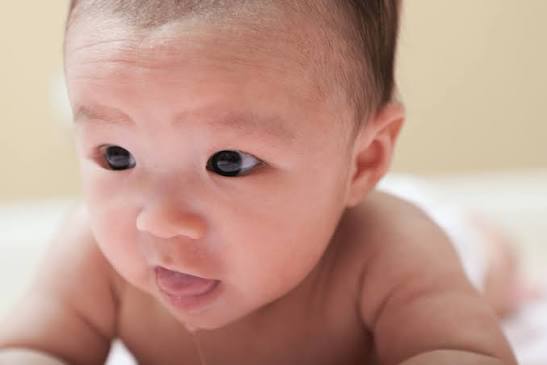
Understanding how drooling typically evolves over the first year can help set realistic expectations for parents.
| Age | Typical Drooling Level |
|---|---|
| Newborn to 6 weeks | Minimal, saliva production still low |
| 2 to 3 months | Noticeable increase begins |
| 4 to 6 months | Continues alongside early hand-mouth exploration |
| 6 to 12 months | Often at its peak, especially with teething |
| 12 months and beyond | Gradual improvement as swallowing control matures |
This pattern is broadly consistent across most healthy, typically developing babies.
When to Bring Up Drooling at a Pediatric Visit
Even when drooling seems normal, it’s completely reasonable to mention it during a routine well-baby visit for peace of mind. Pediatricians are used to fielding this exact question regularly.
Bringing specific details, such as when drooling started, how much, and any accompanying symptoms, can help make the conversation more productive.
Most of the time, a quick visual check and a few questions are enough to confirm everything is developing normally.
Common Myths About Baby Drooling
A few misconceptions often add unnecessary worry for parents dealing with a drooly infant.
| Myth | Fact |
|---|---|
| Drooling always means teething | Most drooling starts well before teeth appear |
| More drool means a health problem | In most cases, it’s a sign of normal development |
| Drooling should stop by 6 months | It often continues, and even peaks, well beyond 6 months |
| Boys and girls drool differently | There’s no significant gender-based difference |
Helpful Supplies for the Drooling Stage
Having the right supplies on hand can make managing daily drool much less stressful for busy parents. Most items are simple and inexpensive.
- Soft, absorbent bibs in multiple sizes and styles
- Gentle, fragrance-free barrier cream for chin and neck skin
- Breathable burp cloths for feeding and tummy time
- Extra onesies or bodysuits for quick changes
- A small, portable wipeable mat for play areas
Keeping a small stash of these items within easy reach can turn frequent drool cleanup into a quick, low-effort task.
Long-Term Outlook for Baby Drooling
For nearly all babies, heavy drooling is a temporary phase tied directly to normal growth and oral development. As swallowing coordination improves over the following months and years, the constant wet chin gradually fades on its own.
Most children stop drooling regularly by age 2 to 3, once fine motor control over the mouth and jaw is fully established.
Tracking your baby’s overall development, feeding, breathing, and comfort, alongside drooling gives the clearest picture of whether everything is progressing as expected.
Frequently Asked Questions (FAQs)
1. Is it normal for a 2-month-old to drool a lot?
Yes, increased drooling at 2 months is completely normal and reflects developing salivary glands. Most babies continue drooling heavily until their swallowing muscles mature further.
2. Does drooling at 2 months mean my baby is teething?
Not usually, since most babies don’t get their first tooth until around 6 months. Drooling this early is more often linked to general salivary gland development.
3. How much saliva do babies produce each day?
Babies can produce between 2 and 4 pints of saliva daily, which is a lot for their small bodies to manage. This explains why drooling can feel constant at this age.
4. Can reflux cause excessive drooling in babies?
Yes, GERD can increase saliva production as the body tries to protect the throat from stomach acid. If drooling is paired with frequent spit-up and fussiness, mention it to your pediatrician.
5. When should I worry about my baby’s drooling?
You should seek medical advice if drooling comes with choking, breathing difficulty, or feeding problems. Persistent skin irritation or drooling that continues heavily past age 3 also warrants a check-up.
6. How can I prevent drool rash on my baby’s chin?
Gently pat the area dry, apply a thin layer of barrier cream, and change bibs frequently. Avoid scented products that could further irritate sensitive skin.
7. Is drooling connected to babies chewing on their hands?
Yes, chewing on hands stimulates saliva production as part of normal sensory and motor development. This is common starting around 2 to 3 months old.
8. What’s the difference between drooling and spit-up?
Drool is clear and watery, appearing throughout the day, while spit-up is milk returning from the stomach, usually right after feeding. Spit-up may also have a sour smell.
9. When does baby drooling usually stop?
Drooling typically peaks between 6 and 18 months and improves significantly by 2 to 3 years old. This aligns with when babies gain full control over swallowing.
10. Can low muscle tone cause excessive drooling?
Yes, in rare cases, low muscle tone can affect a baby’s ability to manage saliva and swallow effectively. This is uncommon and best evaluated by a pediatrician if suspected.
Conclusion
Increased drooling in a 2-month-old is, in nearly every case, a completely normal sign of healthy development rather than something to worry about. As salivary glands become more active ahead of the swallowing muscles catching up, wet chins, soaked bibs, and frequent clothing changes become part of daily life for a while.
Understanding the difference between typical developmental drooling and less common signs, like reflux, feeding difficulties, or low muscle tone, can help you feel confident about what you’re seeing.
Simple habits like using barrier cream, changing bibs often, and keeping burp cloths nearby can make this messy stage much easier to manage. If drooling ever comes with choking, breathing trouble, or persistent skin irritation, don’t hesitate to reach out to your pediatrician for reassurance and guidance tailored to your baby.