Why Do Cats Cover Their Poop? Cat Behavior Guide 2026
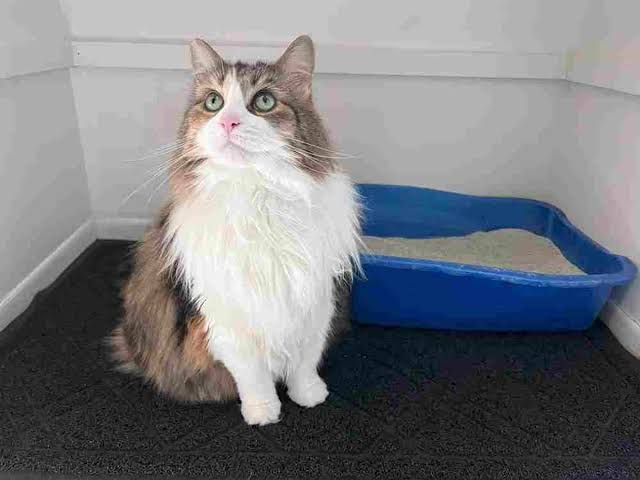
Why do cats cover their poop? It comes down to deep-rooted instinct inherited from wild ancestors, who buried their waste carefully to hide their scent from predators and avoid conflict with more dominant animals nearby.
In a domestic setting, this same behavior often shows respect toward you as the head of the household and helps keep your cat’s space clean and odor-free. Not every cat covers its poop, though, and understanding why some do and others don’t can reveal a lot about confidence, health, and social dynamics.
Quick Answer: Why Do Cats Cover Their Poop?
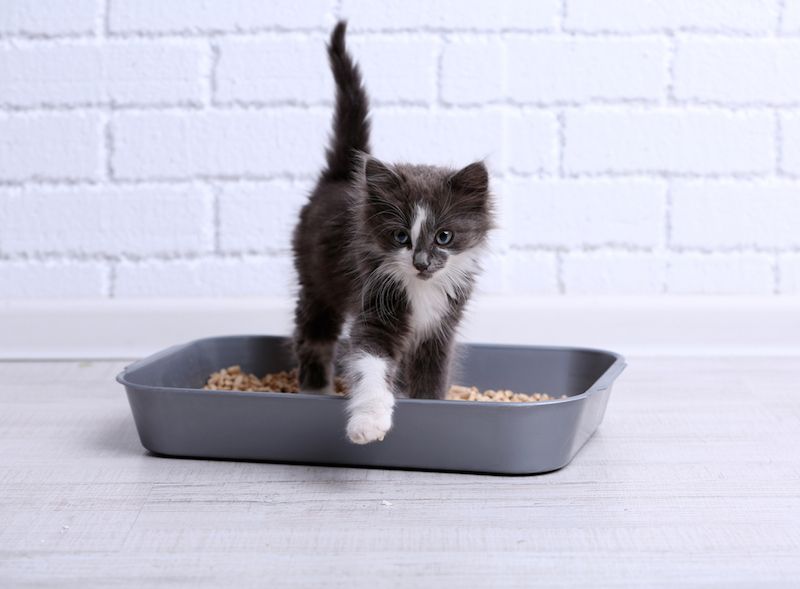
Cats cover their poop mainly out of instinct, a behavior passed down from wild ancestors who needed to hide their scent from predators and rival animals.
In domestic cats, this instinct often carries over as a sign of respect toward humans or more dominant cats in the household.
It also serves a practical hygiene purpose, since cats are naturally clean animals that dislike lingering odors in their living space.
Is Covering Poop Normal Cat Behavior?
Yes, covering waste is genuinely one of the most common and natural litter box behaviors seen in domestic cats, observed consistently across nearly all breeds and ages.
Not every cat covers its poop consistently, and this can vary based on personality, environment, litter preferences, and social standing among other cats.
Occasional uncovered waste is usually not a concern, but a sudden, consistent change in this behavior is worth paying attention to.
The Evolutionary Roots of Poop-Covering Behavior
To understand this behavior, it genuinely helps to look back at the African wildcat, the ancestor of today’s domestic cats, which lived in environments where survival depended heavily on stealth.
| Term | Meaning |
|---|---|
| Felis lybica | The African wildcat, ancestor of domestic cats |
| Scent marking | Using waste or gland secretions to communicate territory or status |
| Dominance behavior | Leaving waste uncovered to assert territory or confidence |
| Submissive behavior | Covering waste to avoid conflict and stay hidden |
Common Reasons Cats Cover Their Poop
There is rarely a single, simple explanation for this behavior. It can come from instinct, social hierarchy, hygiene, or simple learned habit, so it genuinely helps to look at each reason individually.
Below are the most frequently documented explanations from veterinarians and certified cat behaviorists studying feline litter box habits.
Instinct From Wild Ancestors
Wild cats buried their waste to hide their scent from larger predators who might otherwise track them down using smell.
This instinct is deeply ingrained in domestic cats’ DNA, even though most indoor cats no longer face real predator threats.
Avoiding Detection From Predators
As both predator and prey in the wild, cats developed a strong instinct to leave as few traces as possible in their environment.
Covering waste minimizes scent trails that could alert larger animals to a cat’s presence and location.
Reducing Conflict With Other Cats
In feral or multi-cat environments, more submissive cats consistently cover their waste to avoid drawing attention or provoking dominant cats nearby.
This behavior can reveal a cat’s confidence level and social standing, especially in households with multiple cats.
Showing Respect to Dominant Members
Some experts suggest that domestic cats cover their poop as a way of showing deference to humans or more dominant cats in the household.
This carries over from wild cat social groups, where less dominant cats buried waste out of respect for higher-ranking members.
Maintaining Cleanliness and Hygiene
Cats are famously clean animals, spending a large portion of their day grooming themselves and keeping their environment tidy.
Covering waste is one clear way cats extend this cleanliness instinct to their litter box and surrounding living space.
Reducing Odor in Their Living Space
Because cats have a strong sense of smell, covering waste helps eliminate lingering odors that could otherwise affect nearby areas where they eat, sleep, or play.
This allows cats to continue normal activities without the smell of waste disrupting their environment.
Protecting Against Parasites and Disease
Burying waste may also help reduce a cat’s exposure to parasites or pathogens that can develop in exposed feces over time.
This adds a practical health benefit on top of the behavioral and social reasons behind the habit.
Learned Behavior From Their Mother
Kittens often learn to cover their waste by watching their mother during the first several weeks of life.
Kittens separated from their mother too early, such as strays or shelter cats, may miss this learning opportunity and never fully develop the habit.
Why Some Cats Don’t Cover Their Poop
Not all cats bury their waste, and this is not always a cause for concern. Several natural and environmental factors can explain the difference.
Cats are territorial by nature, and their scent glands play a major role in communication, meaning some cats intentionally leave waste uncovered to mark territory.
| Reason Cats Skip Covering | Explanation |
|---|---|
| Dominance or confidence | Leaving waste uncovered can assert ownership over territory |
| Never learned the behavior | Early separation from mother or littermates |
| Litter box dissatisfaction | Wrong litter type, depth, or box cleanliness |
| Multi-cat household dynamics | Asserting presence among other cats |
| Individual personality | Some cats are simply quirky and skip the habit |
The Role of Litter Type and Box Setup
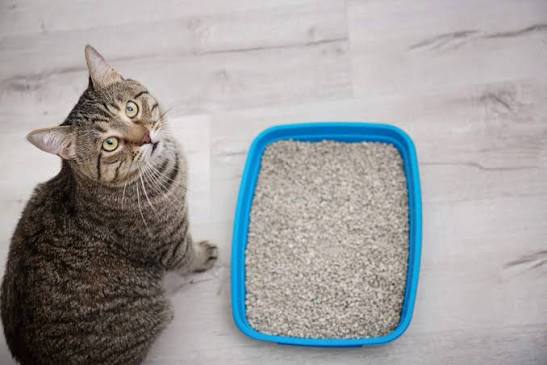
Cats are highly sensitive to the texture, smell, and depth of litter, and this heavily influences whether they follow through with covering their waste.
Many cats prefer fine-grained, unscented clumping litter that closely mimics the soft soil or sand found in nature.
If litter is too coarse, too dusty, or strongly perfumed, a cat may avoid digging or covering altogether, even if the instinct is present.
| Litter Box Factor | Effect on Covering Behavior |
|---|---|
| Fine, unscented litter | Encourages natural digging and covering |
| Coarse or scented litter | May discourage digging and covering |
| Shallow litter depth | Makes covering difficult or impossible |
| Dirty or full litter box | Cats may avoid the box or skip covering |
| Box too small | Limits natural digging movement |
What It Means When a Cat Suddenly Stops Covering Poop
A sudden change in a previously consistent behavior is always worth paying attention to, since cats often communicate discomfort through litter box habits.
Health issues, stress, a dirty litter box, or changes in the household, like a new pet, can all lead to a cat suddenly leaving waste uncovered.
If the change is paired with other symptoms like appetite loss, straining, or unusual vocalizing, a veterinary check-up is a reasonable next step.
Health Reasons Behind Litter Box Changes
Pain or discomfort while using the litter box, sometimes caused by arthritis or digestive issues, can make a cat less likely to dig and cover thoroughly.
Urinary tract issues or gastrointestinal discomfort may also lead a cat to rush out of the litter box before finishing their normal covering routine.
Watching for other signs like frequent litter box visits, vocalizing during elimination, or blood in stool can help you decide if a vet visit is needed.
Do Dogs Cover Their Poop Too?
Unlike cats, most dogs do not cover their waste, since they use the scent of feces as a communication tool rather than something to hide.
A dog’s waste can reveal information like gender, reproductive status, and general health to other dogs, which is the opposite goal of a cat hiding its scent.
This difference highlights how deeply the poop-covering instinct in cats is tied to their unique predator-and-prey position in the wild.
How to Encourage Natural Covering Behavior
If your cat has stopped covering its waste or never developed the habit, small environmental adjustments can often help encourage it.
Switching to a fine-grained, unscented litter and keeping the box clean are two of the simplest and most effective first steps.
Providing a litter box with enough space and adequate litter depth allows cats to comfortably dig and cover in a way that feels natural.
Choose the Right Litter
Fine, unscented clumping litter tends to appeal most to cats’ natural digging instincts and closely resembles soft soil or sand.
Keep the Litter Box Clean
Scooping waste daily and fully changing litter regularly encourages cats to use and properly cover their litter box without hesitation.
Provide Enough Litter Depth
A litter depth of about two to three inches gives cats enough material to dig into and fully cover their waste.
Offer Multiple Litter Boxes in Multi-Cat Homes
Providing one litter box per cat, plus one extra, reduces territorial stress that can affect covering behavior in multi-cat households.
Choose an Appropriately Sized Box
A litter box that is too small can limit a cat’s natural digging motion, making it harder to properly cover their waste.
Myths vs Facts About Cats Covering Poop
There is a lot of casual speculation online about why cats bury their waste, so it helps to separate common myths from what feline behavior experts actually support.
| Myth | Fact |
|---|---|
| All cats naturally cover their poop | Some cats never develop the habit or intentionally skip it |
| Not covering poop always means illness | It is often linked to dominance, litter preference, or learned behavior |
| Covering poop is purely about hygiene | It is also tied to instinct, safety, and social signaling |
| Scented litter is always better | Many cats actually prefer unscented, fine-grained litter |
| Kittens automatically know how to cover waste | Most kittens learn this behavior by observing their mother |
When to Be Concerned About Litter Box Behavior
A single instance of uncovered waste is rarely a concern and often just reflects normal variation in behavior.
Concern grows when the change is sudden, consistent, and paired with other signs like straining, blood in stool, frequent trips to the box, or appetite changes.
In these cases, a veterinary visit can help rule out underlying health issues that may be affecting your cat’s normal litter box routine.
A Quick Litter Box Checklist for Owners
Keep the litter box clean by scooping at least once daily and fully replacing litter on a regular schedule.
Choose a fine-grained, unscented litter, and make sure the box is large enough and filled with adequate depth for comfortable digging.
Watch for behavior changes, and note any other symptoms if your cat suddenly stops covering their waste, since this can help guide a vet conversation if needed.
How Multi-Cat Households Affect Covering Behavior
In homes with several cats, litter box behavior often reflects the social hierarchy among them, with more submissive cats covering waste consistently while confident cats may not bother.
Competition over limited litter box resources can also increase stress, which sometimes shows up as inconsistent covering behavior or avoidance of the box altogether.
Providing enough litter boxes, placed in separate quiet areas, helps reduce this competition and supports more natural, relaxed litter box habits for every cat in the home.
| Multi-Cat Factor | Effect on Behavior |
|---|---|
| Too few litter boxes | Increases competition and stress |
| Boxes placed close together | May feel like a single resource to cats |
| Clear social hierarchy | Submissive cats cover more consistently |
| New cat introduced | Can temporarily disrupt covering habits |
Comparing Covering Behavior Across Cat Personalities
Confident, dominant cats are more likely to leave waste uncovered occasionally, using it as a subtle way of asserting their presence within the household.
Shy or more submissive cats tend to cover waste thoroughly and consistently, often as a way of avoiding unwanted attention or conflict.
Personality alone does not determine health, but understanding your individual cat’s typical pattern makes it easier to notice genuine changes worth watching.
Environmental Enrichment and Litter Box Comfort
A calm, private litter box location away from loud appliances or high foot traffic areas can make cats more comfortable completing their full digging and covering routine.
Sudden loud noises or interruptions during litter box use can cause a cat to rush and skip covering, even if they normally do it consistently.
Placing the litter box in a low-stress area of the home supports more natural, unhurried elimination and covering behavior overall.
Common Mistakes Owners Make With Litter Boxes
Using strongly scented litter to mask odor can actually backfire, since many cats find the smell unpleasant and may avoid digging or covering as a result.
Waiting too long between cleanings is another common mistake, since a dirty box often discourages cats from spending extra time covering their waste.
Choosing a litter box that is too small for your cat’s size can limit natural movement, making thorough covering physically difficult even when the cat wants to do it.
What Veterinarians and Behaviorists Recommend
Veterinarians generally agree that occasional inconsistency in covering behavior is normal and not typically a reason for concern on its own.
Certified cat behaviorists often recommend observing patterns over time rather than reacting to a single incident, since one uncovered visit rarely indicates a problem.
The consistent advice across experts is to focus on providing a clean, comfortable litter environment and to seek veterinary guidance only when changes are sudden, persistent, or paired with other symptoms.
Building a Litter Box Routine Your Cat Will Trust
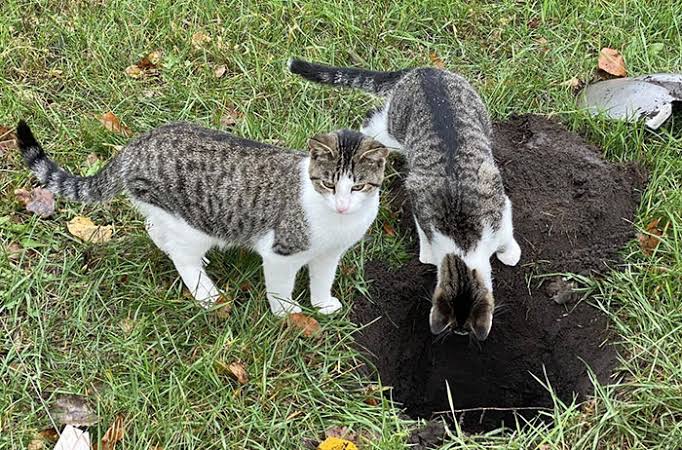
Consistency matters greatly to cats, so keeping the litter box in the same location and maintaining a predictable cleaning schedule builds long-term trust and comfort.
Avoiding sudden changes in litter type or box style reduces the chances of confusing or stressing your cat, which can otherwise disrupt normal covering habits.
Over time, a stable, clean, and quiet litter box setup gives your cat the best environment to express this natural instinctual behavior consistently.
How This Behavior Connects to Overall Cat Wellbeing
Litter box habits are one of the clearest windows into a cat’s daily physical and emotional state, since changes often show up here well before they appear anywhere else.
Paying attention to small shifts in digging, covering, or box frequency can genuinely help owners catch stress, discomfort, or illness earlier than they might otherwise notice.
Understanding poop-covering behavior as part of a bigger picture of feline wellbeing helps owners respond thoughtfully rather than reading too much into a single event.
Final Thoughts on Supporting Natural Instincts
Respecting your cat’s natural instincts, rather than trying to force a particular behavior, tends to lead to the best long-term litter box outcomes for both you and your cat.
Small, thoughtful adjustments to litter type, box size, and cleanliness usually go much further than trying to train a behavior that is largely instinctual in nature.
With patience and the right setup, most cats will settle into a covering routine that feels natural and comfortable for them over time.
Frequently Asked Questions (FAQs)
Why does my cat cover poop but not pee?
Cats often prioritize covering waste with a stronger odor, and litter clumping around urine can sometimes make covering feel less necessary to them.
Is it bad if my cat doesn’t cover their poop?
Not necessarily. Some cats never develop the habit or choose not to due to confidence, litter preference, or personality.
Do outdoor cats cover their poop too?
Yes, outdoor and feral cats often cover waste for the same instinctual reasons, especially to hide their scent from predators and rivals.
Can stress cause a cat to stop covering poop?
Yes, stress from household changes, new pets, or an unclean litter box can disrupt a cat’s normal covering behavior.
Does litter type really affect covering behavior?
Yes, cats are sensitive to texture and scent, and many prefer fine-grained, unscented litter that mimics natural soil or sand.
Do kittens know how to cover poop instinctively?
Not always. Kittens typically learn this behavior by watching their mother during their first several weeks of life.
Why does my cat cover poop in one litter box but not another?
This is often related to litter type, cleanliness, or box size differences between the two boxes.
Is not covering poop a sign of dominance in cats?
Yes, some cats intentionally leave waste uncovered as a way of asserting territory or confidence, especially in multi-cat households.
Should I train my cat to cover their poop?
You can encourage the behavior with the right litter and clean box setup, but it is largely instinctual and cannot be fully trained.
When should I take my cat to the vet about litter box changes?
See a vet if the change is sudden, consistent, or paired with symptoms like straining, blood in stool, or appetite changes.
Conclusion
Cats cover their poop mainly out of deep-rooted instinct passed down from wild ancestors, who needed to hide their scent from predators and avoid conflict with dominant animals nearby.
In a domestic setting, this behavior often reflects respect toward the household’s more dominant members, along with a genuine drive to stay clean and reduce lingering odors around their living space.
Not every cat follows this habit consistently, and factors like litter type, box cleanliness, confidence, and early learning all play a meaningful role in whether a cat buries its waste.
A sudden change in this behavior is usually harmless but occasionally signals stress, litter box dissatisfaction, or an underlying health issue worth watching closely over the following days.
With the right litter, a clean box, and a bit of understanding about feline instinct, most owners can support this natural behavior and keep their cat’s litter routine running smoothly for years to come.