The Ultimate Guide to Quality Men’s Belts
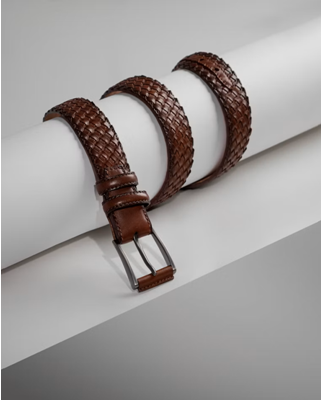
A well-crafted belt serves as the silent anchor of a refined wardrobe. Standard trousers require reliable support, but true craftsmanship brings subtle style and structural integrity to daily attire.
Investing in top-tier craftsmanship elevates every ensemble from casual denim to tailored suits. Discerning gentlemen recognize that subtle hardware details and superior leather selection define true quality.
Understanding Leather Grades and Quality
Full-grain hides represent the top standard of durability and natural aesthetics. Skilled tanners preserve the complete outer surface layer, allowing unique grain patterns to emerge naturally. This structural integrity guarantees strong tensile resistance across years of constant daily wear.
Discerning shoppers often seek out versatile accessories to complete their wardrobe. Selecting high-grade premium dress belts creates a polished silhouette for formal events or professional business environments. Proper care preserves the supple texture of top-grade hides indefinitely.
Top-grain options offer a smooth finish with slightly reduced grain thickness. Craftsmen buff away minor surface blemishes before applying thin protective topcoats. Lower tiers like bonded hide scraps frequently split under routine physical strain.
Evaluating Buckle Construction and Materials
Buckle hardware plays an equal role in defining total accessory longevity. Solid brass and stainless steel remain standard choices for high-end production due to structural density. Cheap zinc alloys often snap under tension or chip after minimal exposure to moisture.
Frame-style buckles feature a sleek pin mechanism that pierces strap holes cleanly. Plate buckles provide a broader surface area, often displaying decorative engraving or subtle branding. Choosing solid metals prevents tarnish and keeps hardware operating smoothly for decades.
Prong alignment dictates how cleanly a buckle sits against the waistline. Superior manufacturing centers align the pin with exact precision to avoid twisting strap edges. Hand-finished edges on hardware eliminate sharp corners that might catch on clothing fabrics.
Matching Straps with Formal and Casual Wardrobes
Formal attire demands strict adherence to traditional color matching rules. Leather shoes and waist accessories must align in shade and surface sheen across formal outfits. Black calfskin pairs with dark suits, while rich brown shades complement navy blue or charcoal tailoring.
Casual dressing allows greater flexibility with textures, widths, and materials. Woven fabric options, suede finishes, and rugged harness leathers fit relaxed denim or chinos. Broader strap dimensions balance bulkier trouser fabrics during informal weekend outings.
Selecting the right strap width creates balanced proportions across different outfit styles:
- Narrow-width straps measuring 1.25 inches fit formal dress trousers best.
- Medium-width straps measuring 1.5 inches suit everyday casual chinos and denim.
- Wide-width straps measuring 1.75 inches support heavy workwear pants.
Strap width directly impacts visual balance against belt loops. Narrow profiles maintain a clean appearance under suit jackets, whereas thicker cuts handle heavy utilitarian fabrics seamlessly.
Deciphering Industry Standards and Consumer Labels
Marketing terminology in the leather goods industry often creates confusion for buyers. Terms like genuine leather sound high-end but frequently denote lower-grade reconstituted materials. Understanding official manufacturing standards helps buyers identify authentic craftsmanship before making purchasing decisions.
Federal regulations strictly govern product labeling to prevent deceptive trade descriptions. Official regulations mandate that manufacturers cannot use unqualified leather terminology unless the product consists entirely of genuine animal hides. These regulatory guidelines protect buyers from purchasing synthetic alternatives disguised as authentic leather goods.
Clear labeling standards allow consumers to assess material content accurately. Reputable manufacturers list exact hide origins, tanning processes, and country of origin on internal strap stamps. Verifying these details guarantees that a purchase matches expectations for quality and service life.
Navigating Regulatory Guidelines for Leather Products
Regulatory oversight extends across numerous consumer apparel categories to maintain fair trade. Federal oversight agencies establish clear definitions for material classification across the fashion industry. These standardized definitions cover personal accessories along with footwear and outerwear.
Consumer protection framework documents outline strict labeling guidelines across diverse accessories. Federal Trade Commission guidelines cover various items including luggage, footwear, and leather waist accessories. Such standardized oversight gives consumers confidence when evaluating claims made by apparel brands.
Enforcing standard terminology prevents misleading claims regarding synthetic materials. Synthetic polyurethane products must disclose their composition clearly on product tags. Rigorous enforcement maintains transparency and rewards manufacturers who produce genuine full-grain goods.
Sizing and Fit Mechanics for Long-Term Comfort
Proper sizing mechanics extend beyond simply matching trouser waist measurements. Standard sizing rules dictate adding 2 inches to standard trouser sizes when selecting strap length. This extra length accommodates trouser fabric bulk while allowing comfortable closure adjustments.
The ideal fit secures the buckle tongue through the middle adjustment hole. Five total adjustment holes provide optimal flexibility for minor weight fluctuations. Fastening on the center hole creates a balanced tail length that fits neatly through the first belt loop.
Strap stretch occurs naturally over extended periods of regular wear. Natural hide fibers elongate under constant tension, so selecting accurate initial sizing remains important. Starting with a snug fit on the center hole ensures room for natural leather expansion.
Proper Care and Maintenance Routines
Routine maintenance keeps high-grade leather supple and prevents surface cracking. Store straps hanging vertically from the buckle to maintain straight alignment. Rolling straps tightly or leaving them threaded in trousers damages internal structural fibers.
Applying quality leather conditioner every 6 months restores lost natural oils. Gently wipe surface dust away with a microfiber cloth before applying conditioning creams. Natural oils prevent moisture loss, preserving tensile strength during varying seasonal weather.
Excessive moisture exposure requires immediate attention to prevent permanent water staining. Air-dry wet leather naturally away from direct heating elements or direct sunlight. Gentle drying preserves flexibility and prevents the hide from turning brittle over time.
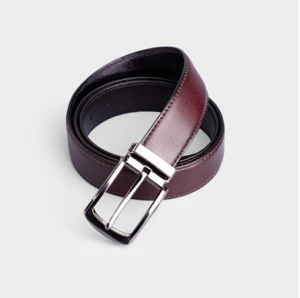
A well-selected leather accessory brings long-lasting value and timeless style to any gentleman’s wardrobe. Understanding hide grades, hardware construction, and proper sizing rules allows confident purchasing choices.
Prioritizing authentic materials over synthetic shortcuts guarantees performance through years of daily wear. Caring for fine leather ensures your accessories develop a rich patina that improves with age.