Acoustic and Thermal Benefits of a Well- Designed Ceiling
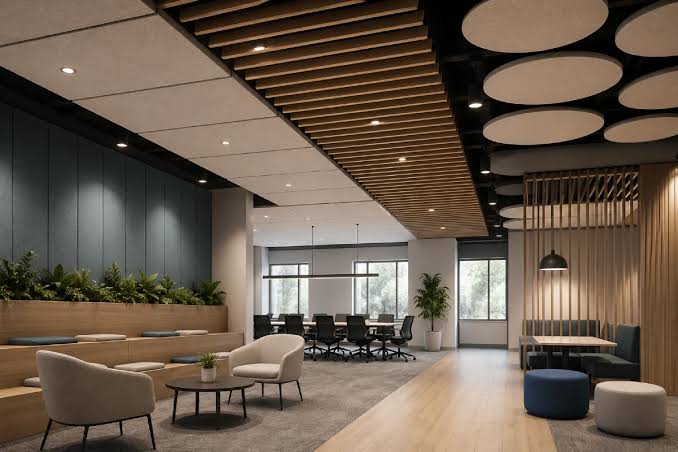
When people think about ceilings, they usually think about appearance. Yet a ceiling is also a functional barrier between the room and everything above it. A well-designed ceiling can improve how a space sounds, how warm or cool it feels, and how much energy your home consumes. These benefits are often overlooked, but they can make daily life noticeably more comfortable.
How Ceilings Influence Sound
Hard, flat surfaces reflect sound, which leads to echo and noise buildup. In rooms with bare concrete slabs, voices, television audio, and footsteps from above can carry easily. A suspended ceiling adds an extra layer and a cavity that interrupts sound transmission. When you add mineral wool or acoustic padding in the void and choose perforated or fibre-based panels, you absorb more sound and reduce reverberation. This is especially valuable in apartments, home theatres, music rooms, and work-from-home spaces.
Airborne Versus Impact Noise
It helps to understand the difference. Airborne noise, such as conversation and music, is reduced by mass and absorption. Impact noise, such as footsteps from the floor above, is harder to control and is best addressed at the source, but a well-built ceiling system with a resilient mounting can still help. Sealing gaps around lights and edges prevents sound leaks, so detail work matters as much as the materials.
Thermal Performance
In India’s climate, heat gain through the roof is a major concern, especially on top-floor homes. The air gap created by a false ceiling acts as a buffer, slowing the transfer of heat from the slab to the room. Adding insulation such as glass wool or foil-faced boards strengthens this effect. Rooms stay cooler during summer afternoons, and air conditioners run more efficiently because they do not have to fight constant heat from above.
Reducing Cooling Load
Rooms with very high ceilings take longer to cool because there is more air to treat. Lowering the ceiling through a false structure reduces the volume of air that needs conditioning. Combined with good insulation and proper sealing, this can lead to lower energy use. It is not a replacement for efficient appliances, but it complements them.
Choosing the Right Materials
Mineral fibre tiles and perforated gypsum boards with acoustic backing are popular for sound control. For thermal improvement, look at insulation batts and reflective barriers. Check the fire rating of any material you use, especially in the cavity, and ensure that electrical wiring is correctly protected and not buried in insulation without proper spacing.
Design Considerations
Acoustic and thermal features should be planned early. They affect the depth of the cavity, the type of framework, and the placement of lights and vents. If you want the benefits without a heavy look, ask your designer to integrate them into a clean, minimal ceiling design.
Comfort is as important as beauty, and the best ceilings deliver both. When browsing inspiring false ceiling designs, ask how each could be adapted with insulation and acoustic features. You can also read more about the broader role of ceilings in comfort and design to see how performance and style can work together.
Do not forget fire safety and air quality. Choose boards and insulation with recognised fire ratings, and make sure that any insulation material is free from irritants that could affect indoor air. Sealing the cavity properly also prevents dust from sifting into the room and helps maintain a healthier living environment.
A ceiling that looks good, sounds calm, and keeps the heat out is an investment that pays back every single day.