

How can emotions like fear and greed actually impact your trading strategy?
Even though on paper trading seems like a very rational and complex process, there are many times when people’s feelings get in the way, and they can cloud their judgment. Yes, trading in the crypto landscape is about analyzing charts, keeping an eye on market trends, and identifying room for profitable opportunities. But it is also about discovering how to keep track of your emotions and not let them be stronger than you when making decisions.
The most prevalent emotions in the crypto market are fear and greed. So, it is no surprise that a fear and greed index has been created that lets people know which of these feelings is more present in the market at a particular moment. Knowing this is the foundation of making more researched decisions, especially since the fear and greed index impacts many processes, including the entry and exit positions, managing risk, and identifying new opportunities.
In this article, we will discover more about how feelings like greed and fear can impact a trading strategy.
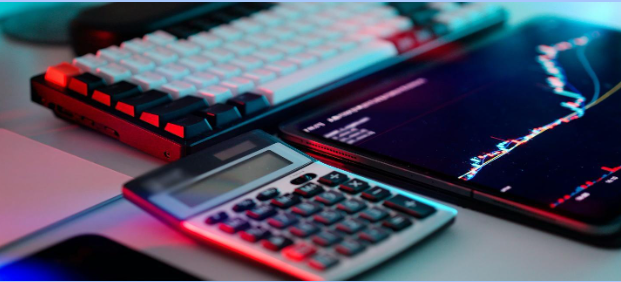
Image source: https://unsplash.com/photos/keyboard-calculator-and-tablet-trading-workspace-pxZcruj0Xkw
Fear
Fear is a very common feeling in the market that will most likely impact the trading strategy. Here are some ways in which fear can interfere with your trading strategy.
Make you exit the trades at an early stage
One of the main ways fear gets into your trading strategy is when you exit the market early because you fear the prices will drop. This makes you miss out on certain profits, and then the market moves the way you didn’t envision, where the prices grow. If this behavior happens more often over a set period, this can lead to many losses.
Hesitate
To be able to have a good perspective and journey in the crypto space, you actually need to follow some strategies. But most of the time, fear will make you hesitate and question whether trading is suitable for you. Since every second matters in crypto, this hesitation can cost you money.
Panic selling
Fear can also lead to panic selling. This is shown as soon as prices start to follow a decrease plan, where participants are discouraged by the current conditions and panic. Unfortunately, panic-driven timing rarely leads to an optimal outcome. Selling should feature stages where you evaluate the support values and calculate the investments.
Overreacting
Crypto is very volatile, making prices fluctuate. If you are reacting to every one of these fluctuations, you won’t have a positive experience. Also, the price fluctuations don’t follow the same patterns all the time, and sometimes, they can turn into major reversals. This is why it is important to take into account the technical charts and make decisions after analyzing more than just the news.
Greed
Not selling at the right moment
Greed can make you hold a position for longer than you should and not sell at the right moment. Usually, in a bull market, prices keep rising until they hit a value, and then they follow a downturn. Most traders continue to keep a position for too long and don’t want to face the reality, which later makes them deal with regret.
Overtrading
When traders experience a successful trading strategy, they get more confident and continue remaining active, even though the market doesn’t offer quite the best market conditions. Overtrading can reduce the value of the profits since the transaction fees increase, the accounts experience more risks, and traders are more inclined to deal with low-quality entries.
Ignore risks
Ignoring risk is also very common. Risk management tools are present in the crypto space with the scope of minimizing dangers and maximizing profits. By ignoring risk, you can deal with a high level of risk. Also, ignoring risks means you do not respect the strategy you set from the start.
Not diversify
Diversification is present in the crypto strategy, particularly to lower the risk you expose yourself to with a single asset. The principle is simple: not to place all your eggs in one basket. In the crypto space, this translates into reducing risks. This is done so that if one asset is not performing the way you expected, the others might, which reduces exposure.
How to avoid reacting with your emotions?
There are some simple ways you can keep your emotions in check and not make trading strategy decisions based on them.
Use automated trading tools
If you know you are likely to react using your emotions, then the best method to avoid this is to start using automated trading tools. In this category, we can mention AI bots, chart pattern scanners, and recurring buys. These tools have been created particularly to reduce emotions for people and make decisions rationally, instead of using fear and greed.
Set clear trading rules
Another very good idea is to set clear trading strategies. This will help in maintaining discipline, with the help of a stop-loss trading order. In this way, traders will be more inclined to stick to their strategies and not engage in risky behavior. This also lowers the chance of reacting based on your emotions, and you can instead stay focused on the trading plan.
Consider a trading plan
In a trading plan, you need to consider various factors that will help in having a successful strategy. In the trading plan, you should include your risk tolerance, your goals, and what strategies you want to include. This will be the foundation of your crypto journey and will anchor you to staying more disciplined.
The last words
Fear and greed are among the most present feelings in the crypto market. Cryptocurrencies are volatile assets, which means their prices are fluctuating constantly, and these changes in price will make you react using your emotions. So, it is important to know how these two feelings can make you react, since they have the power to cloud your judgment.
If you know the psychology behind them, you can make better decisions and survive the volatility better. Also, there are certain tips that will also prove to be helpful and increase the chances of you reacting with rationality instead of emotions.