
How Can Failure to Diagnose a Heart Valve Condition Affect Patients?
Heart valve conditions affect about 2.5% of Americans, and every year, over 27,000 people die from their complications. These ailments can damage your health and endanger your life, but identifying and treating them in time can significantly improve outcomes. Unfortunately, when a doctor fails to diagnose a heart valve condition, the consequences can be physically, emotionally, and financially severe.
Failing to diagnose problems like heart valve infections and conditions like stenosis, prolapse, and regurgitation can allow these issues to progress, leading to harmful cardiac strain, acute cardiac emergencies, and in the worst cases, death.
Doctors may underdiagnose heart valve conditions when they misinterpret, downplay, or fail to recognize symptoms. If doctors fail to thoroughly review a patient’s medical history and risk factors, they may not check for or notice heart valve conditions in asymptomatic patients, leading to a missed diagnosis. If these oversights were due to negligence, the patient may be able to sue for malpractice. Below, we’ll discuss common heart valve conditions, what can happen when doctors fail to diagnose them, and what patients and their loved ones can do in the aftermath.
What Are Common Heart Valve Conditions?
When a person’s heart is healthy, it pushes blood forward and out into the body. Heart valve conditions are diseases or structural problems that keep the heart’s valve flaps, or “leaflets,” from opening and closing correctly. These issues make the heart work harder and diminish its ability to deliver oxygen to organs and tissues.
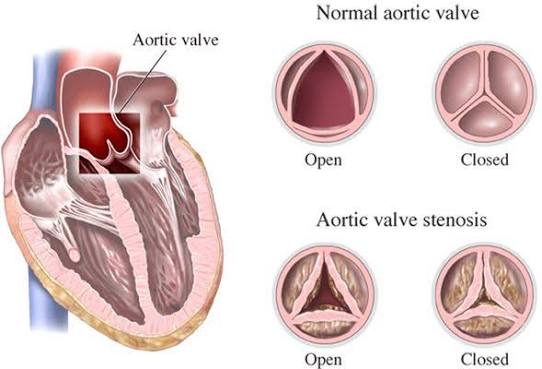
Common heart valve conditions include infection, stenosis, prolapse, and regurgitation. Infections, or forms of endocarditis, set in when germs attach to the heart’s inner lining or its valves. Left untreated, heart valve infections can cause scarring, valve destruction, and other cardiovascular problems. Stenosis occurs when the valve leaflets stiffen and narrow the valve’s opening, reducing blood flow. Severe narrowing will make the heart pump harder and put it under strain. Prolapse and regurgitation, also known as “leaky valve,” happen when leaflets fail to close completely, allowing blood to leak backward and causing the heart to pump harder to compensate.
Detecting Heart Valve Conditions
Heart valve conditions don’t always have obvious symptoms, but there are ways to detect their presence. Doctors should evaluate their patients’ medical histories and risk factors, including (and not limited to) genetics, gender, diet, tobacco use, diabetes, high blood pressure, and aging. They can use a stethoscope to detect heart murmurs and check for irregular heartbeats. Tests like echocardiograms, chest X-rays, angiograms, electrocardiograms, and magnetic resonance imaging can also reveal heart valve conditions.
If patients come in with symptoms like unusual fatigue, weakness, or dizziness; increasing shortness of breath or chest pain when exercising; heart palpitations; or sudden weight gain or swelling, doctors should take notice. These symptoms can easily be attributed to other health conditions or normal aging, so it’s important to rule out heart valve problems as their source.
Why Doctors Fail to Diagnose Heart Valve Conditions
Although the symptoms of heart valve conditions can overlap with other common health problems, doctors are expected to recognize and identify signs of cardiac trouble. When doctors attribute symptoms like chest pain, nausea, and acid reflux to conditions like anxiety instead of eliminating cardiac issues as the cause, heart valve conditions can progress undetected. Failed diagnoses also happen when doctors fail to order appropriate diagnostic tests or dismiss or misinterpret results.
Common reasons doctors fail to diagnose heart valve conditions include:
- Rushed and incomplete patient evaluations
- Misattributing symptoms in young or seemingly healthy patients
- Not accounting for variations in symptoms across genders
- Under- or misdiagnosis based on age, gender, or race
- Inadequate or improper testing
Consequences of Failing to Diagnose Heart Valve Conditions
As heart valve conditions progress, they typically pass through four worsening stages, A, B, C, and D. Stenosis and regurgitation can damage the heart muscles over time. Untreated valve disease may eventually lead to abnormal heart function and cause life-threatening blood clots, pulmonary hypertension, stroke, heart failure, or cardiac arrest. It can also diminish quality of life while the patient remains undiagnosed.
Doctors who recognize heart valve conditions can prescribe medication, perform surgery, or carry out other valve repair treatments to restore their patients’ health. However, lack of diagnoses and treatments can eventually lead to catastrophic cardiac events, where fatalities are possible. Patients who survive major cardiovascular failure often experience persistent pain, health problems, impact on their careers and families, and significant medical expenses. These circumstances can diminish their ability to enjoy life and threaten their financial stability.
How Patients Can Protect Their Rights After a Failed Diagnosis
When a doctor or cardiologist fails to diagnose a heart valve condition, they may be held accountable according to medical malpractice laws. If the practitioner was negligent, the affected patient or their family can file a medical malpractice lawsuit. To win a malpractice claim, the patient must prove that their doctor breached their professional, legal obligation to treat them and failed to meet the accepted standard of care, directly causing their valve condition to worsen and yield a severe injury that inflicted measurable harm.
A successful lawsuit or claim typically provides the patient with financial compensation for past and future medical expenses, lost wages and diminished future earning capacity, pain and suffering, diminished quality of life, or wrongful death. Claims outside the statue of limitations are typically invalid.
Proving negligence can be complex and often involves gathering and reviewing medical records and expert knowledge and testimony. A capable medical malpractice lawyer like those at Shrager, Sachs, & Blanco can advise you on the strength of your case and handle your legal affairs and pursue damages that will aid your recovery.