

Why Weeds Keep Coming Back and What Your Lawn May Be Telling You
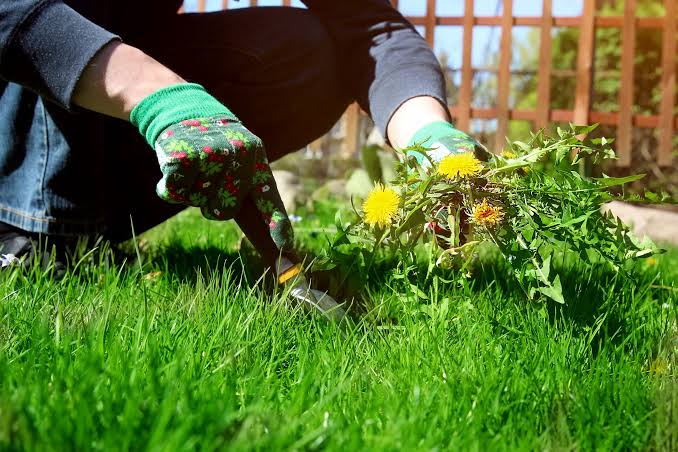
You pull weeds from your lawn, clear the affected areas, and expect the problem to disappear. A few weeks later, new weeds begin growing in the same spots.
For many homeowners, this cycle becomes a frustrating part of maintaining an attractive yard. The immediate response is often to remove the visible weeds again, but recurring growth may indicate the underlying conditions haven’t changed. Weeds compete with grass for sunlight, water, nutrients, and space to grow. When turf becomes thin or stressed, unwanted plants may find opportunities to establish themselves.
Understanding why weeds return can help homeowners move beyond temporary fixes and develop a more effective approach to long-term lawn maintenance.
Recurring Weeds Often Point to Weak or Stressed Turf
A healthy lawn provides natural competition against many common weeds. Dense grass limits sunlight reaching exposed soil and reduces the open spaces where weed seeds can germinate.
When turf becomes thin, however, weeds have more opportunities to establish themselves. Several conditions can contribute to this problem, including improper mowing, insufficient sunlight, compacted soil, and inconsistent watering.
The University of Minnesota Extension’s guidance on managing weeds in lawns explains how identifying weeds and improving growing conditions can support more effective lawn management. For homeowners, the key lesson is that removing weeds does not necessarily correct the conditions that allow them to grow.
A lawn with recurring bare patches may need improvements in soil conditions, mowing practices, or grass establishment.
Addressing these issues can help strengthen turf and reduce opportunities for new weeds.
Effective Weed Control Starts With Identifying the Problem
Not all lawn weeds behave the same way. Some are annual plants that complete their life cycle in one growing season, while others are perennials that return each year from established root systems.
This distinction influences how weeds should be managed.
A treatment that works well against a particular broadleaf weed may not be appropriate for grassy weeds or sedges. Professional weed control approaches often consider weed identification, turf conditions, and treatment timing before selecting a management strategy.
Homeowners can apply the same principle by identifying the plants growing in their lawns rather than assuming every unwanted plant requires the same response. Misidentification can lead to ineffective treatments, unnecessary product applications, or damage to desirable grass.
Understanding the weed’s growth pattern is often the first step toward preventing repeated infestations.
Soil Conditions Can Influence Which Weeds Establish Themselves
Weeds can sometimes provide clues about the conditions beneath a lawn. Certain species tolerate compacted soil, while others thrive in moist, poorly drained areas or locations where grass struggles because of limited sunlight. Some weeds will thrive when nitrogen fertility is low, and the grass is pale and thin. However, the presence of a particular weed does not automatically confirm a specific soil problem.
Several environmental factors may contribute to its growth.
The University of Maryland Extension’s resources on lawn weeds explain how weed identification and lawn management practices can help homeowners understand recurring problems.
For example, repeated weed growth in a heavily trafficked area may suggest that soil compaction deserves further investigation. Grass struggles to grow in compacted soil, but some weeds with fine, shallow roots thrive. Likewise, weeds appearing near persistent puddles may indicate drainage conditions that make it difficult for desirable grass to thrive. Homeowners should evaluate these observations alongside soil testing, drainage patterns, and the overall condition of their turf.
The objective is to identify contributing factors rather than relying on weeds alone as a diagnostic tool.
Different Weed Types Require Different Management Methods
Choosing the right treatment depends partly on understanding how a weed grows and spreads. Broadleaf weeds, grassy weeds, and sedges have different characteristics, and their management requirements can vary.
Exploring appropriate methods for weed control can help homeowners understand why some approaches work better for particular weed types. For example, removing a young annual weed before it produces seeds may help reduce future spread. Perennial weeds can be more difficult because some species regenerate from roots or underground structures left in the soil.
Herbicides may be useful in certain situations, but product selection must account for the target weed, grass species, application timing, and label instructions. Using an unsuitable product can damage desirable turf without controlling the target weeds.
A targeted approach is generally more practical than repeatedly treating the entire lawn without identifying the weeds involved.
Mowing and Watering Habits Can Make Weed Problems Worse
Routine lawn maintenance can either support healthy turf or contribute to conditions that favor weeds. Cutting grass too short may reduce its ability to compete with weeds, particularly during periods of heat or limited moisture.
Frequent shallow watering can also influence root development and create inconsistent growing conditions. However, ideal mowing heights and irrigation practices depend on grass species, climate, soil type, and seasonal conditions.
Homeowners should avoid applying one maintenance schedule to every lawn. Instead, mow to maintain an appropriate grass height, and water based on actual moisture needs. Equipment maintenance matters as well. Dull mower blades can tear grass leaves, increasing visible stress, reducing the mower’s ability to mulch clippings effectively, and reducing the lawn’s overall appearance.
These practices will not eliminate every weed, but they can help maintain turf conditions that are less favorable to recurring infestations.
Seasonal Timing Matters for Long-Term Weed Prevention
Weed management becomes more effective when homeowners understand seasonal growth patterns. Some weeds germinate during cooler periods, while others become more active as temperatures rise. This means the timing of preventive treatments and maintenance activities can influence results.Understanding application timing is critical to weed prevention.
Applying a treatment after weeds have already matured may produce different outcomes from addressing them during earlier growth stages.
Seasonal lawn care should also consider when your grass type is actively growing.
Overseeding, fertilization, and other maintenance practices are generally most effective when they align with the needs of the particular turf species.
A seasonal plan can help homeowners address potential problems before weeds become widespread.
A Healthier Lawn Is the Foundation of Lasting Weed Management
Recurring weeds often signal broader lawn conditions rather than an isolated maintenance issue. Thin turf, soil compaction, poor drainage, and inconsistent care can create opportunities for weeds to return even after successful removal.
For homeowners, the most useful approach combines accurate weed identification with improvements to the conditions that support grass growth. Targeted treatments may be necessary, but they should complement preventive maintenance rather than replace it.
By understanding what recurring weeds may reveal about their lawns, homeowners can make more informed decisions and reduce the frustration of repeatedly addressing the same problem.
The goal is not simply to remove visible weeds today. It is to create healthier growing conditions that make future infestations easier to manage. The best defense against weeds is a thick, healthy lawn!