Peacock Feathers and Their Spiritual Significance

Peacock feathers are among the most stunning natural wonders, admired for their vibrant iridescence and intricate patterns.
These feathers, primarily found in male peafowls, play a vital role in attracting mates and have deep cultural and symbolic meanings. Their shimmering beauty has made them a popular choice in fashion, décor, and spiritual practices.
What are Peacock Feathers?
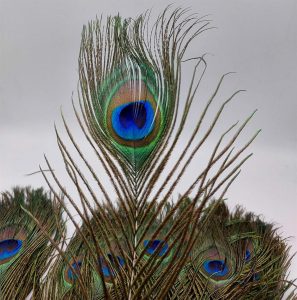
Peacock feathers are the elongated, colorful plumes of the male peafowl, commonly known as the peacock. These feathers are not just decorative but serve as an essential part of the peacock’s courtship display.
The train of feathers consists of specialized structures known as upper tail coverts, which are used in mating rituals. In contrast, female peafowls, or peahens, have more subdued plumage to help them blend into their surroundings.
Physical Characteristics of Peacock Feathers
Peacock feathers are lightweight but durable, featuring intricate barbs that interlock to create a smooth and shimmering surface.
The most recognizable feature of these feathers is the “eye” pattern, which is formed through a combination of microscopic structures and pigmentation. The feathers can grow up to several feet in length and are arranged in a long, flowing train that the peacock can fan out to showcase its full splendor.
Colors and Patterns of Peacock Feathers
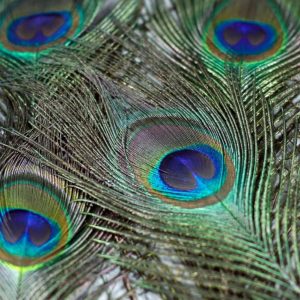
Peacock feathers display a striking range of colors, primarily blue, green, and gold, with hints of bronze and violet. The iridescent effect is caused by microscopic plate-like structures that reflect and refract light.
The most distinctive feature is the eyespot, which consists of concentric rings of blue, black, and bronze, creating an illusion of depth and movement. This dazzling display plays a crucial role in mating rituals and dominance displays among male peafowls.
Symbolism and Cultural Significance
Peacock feathers hold a rich symbolic meaning in various cultures. They are often associated with beauty, protection, immortality, and wisdom.
In some traditions, they represent renewal and resurrection due to their connection with molting and regrowth. Throughout history, peacock feathers have been used in art, royalty, and religious iconography.
Religious and Spiritual Meaning of Peacock Feathers
Peacock feathers have significant religious and spiritual meanings in different traditions. In Hinduism, they are associated with Lord Krishna, who is often depicted wearing a peacock feather in his crown, symbolizing divine beauty and compassion.
In Christianity, the feather’s eye-like patterns are linked to all-seeing wisdom and resurrection. In Islamic traditions, peacock feathers were used in royal attire and are seen as a symbol of paradise.
Uses of Peacock Feathers in Fashion and Decor
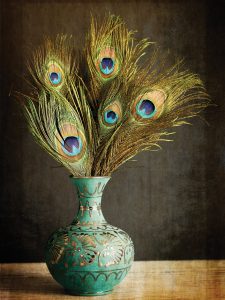
Peacock feathers have been widely used in fashion, jewelry, and home décor. Designers incorporate these feathers into clothing, accessories, and haute couture pieces due to their vibrant and luxurious appearance.
In interior decoration, peacock feathers are often placed in vases, wall art, or incorporated into furniture to add a touch of elegance and exotic beauty.
Peacock Feathers in Art and Mythology
Peacock feathers have been depicted in art and mythology across various civilizations. In ancient Greece, the peacock was associated with the goddess Hera, who adorned her sacred bird with eyespots.
Chinese and Japanese art frequently features peacock feathers as symbols of dignity and good fortune. Many paintings, textiles, and sculptures have drawn inspiration from their mesmerizing beauty.
Molting Process: How Peacocks Shed Feathers
Peacocks naturally shed their feathers in a process known as molting. This occurs annually, usually after the breeding season, when the bird gradually loses and regrows its train feathers.
The molting process ensures that the feathers remain healthy and vibrant, allowing the peacock to maintain its striking display year after year. Collectors often gather these naturally shed feathers for decorative and cultural purposes.
Scientific Explanation of Iridescence in Peacock Feathers
The iridescence of peacock feathers results from microscopic plate-like structures that manipulate light waves, rather than pigments.
These structures, known as photonic crystals, reflect and refract light to produce brilliant shifting colors depending on the viewing angle. This natural phenomenon is a subject of scientific research in fields such as optics and biomimicry, influencing the development of new materials and technologies.
Peacock Feathers in Feng Shui and Vastu
In Feng Shui and Vastu Shastra, peacock feathers are believed to bring positive energy and ward off negative influences. They are often placed in homes and workplaces to attract prosperity, harmony, and protection.
The eye-like patterns are thought to guard against the evil eye and promote good luck. Many people keep peacock feathers in sacred spaces or use them in rituals to enhance spiritual well-being.
Where to Buy and How to Preserve Peacock Feathers
Peacock feathers are widely available in craft stores, online marketplaces, and specialty shops. When purchasing feathers, it is essential to ensure they are ethically sourced from naturally molted feathers rather than taken from live birds.
To preserve their beauty, keep peacock feathers away from moisture, direct sunlight, and dust. Regularly cleaning them with a soft brush or air blower can help maintain their vibrant appearance for years.
Frequently Asked Questions about Peacock Feathers
Do peacocks lose their feathers?
Yes, peacocks naturally shed their feathers during the molting season, which allows them to regrow new ones.
Why are peacock feathers iridescent?
Peacock feathers appear iridescent due to microscopic plate-like structures that reflect and refract light, creating vibrant colors.
What do peacock feathers symbolize?
Peacock feathers symbolize beauty, immortality, protection, and spirituality in various cultures and religions.
Are peacock feathers lucky?
In Feng Shui and Vastu, peacock feathers are considered lucky and believed to bring positive energy and ward off evil.
Can peacock feathers be used in fashion?
Yes, peacock feathers are commonly used in clothing, jewelry, accessories, and decorative pieces due to their unique colors and patterns.
Are peacock feathers used in religious practices?
Yes, peacock feathers hold spiritual significance in Hinduism, Buddhism, Christianity, and Islam, symbolizing protection and divine blessings.
Do female peacocks have colorful feathers?
No, female peafowls, called peahens, have dull brown, grey, and green plumage to help them blend into their surroundings.
How can I preserve peacock feathers?
Store peacock feathers in a dry, cool place, away from moisture and sunlight, and gently clean them with a soft brush.
Conclusion of Peacock Feathers
Peacock feathers are an extraordinary example of nature’s artistry, combining vibrant colors, intricate patterns, and deep cultural symbolism.
Whether used in fashion, décor, religious practices, or scientific studies, they continue to captivate and inspire. Their natural iridescence and graceful structure make them one of the most treasured feathers in the world, representing beauty, protection, and spiritual enlightenment.