Soju Alcohol Content: Understanding Its Strength and Variations
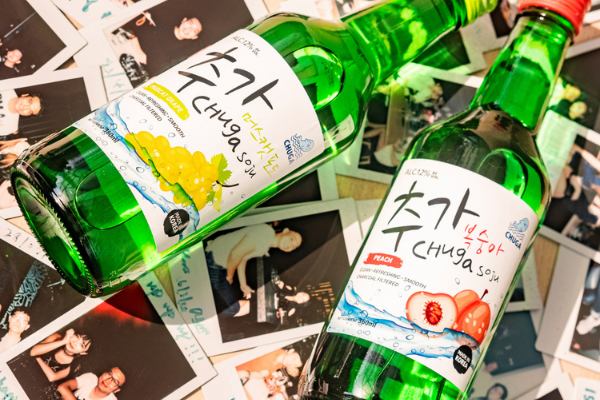
Soju is one of the most popular alcoholic beverages in the world, especially in South Korea, where it is deeply rooted in culture and tradition. One of the key aspects of soju that makes it unique is its alcohol content, which can range from mild to strong depending on the brand and type. Unlike other spirits such as vodka or whiskey, soju is known for its smooth, slightly sweet taste and relatively lower alcohol percentage, making it a favorite among both casual drinkers and seasoned enthusiasts.
The alcohol content of soju has evolved over time. Traditional soju was stronger, often exceeding 30% ABV (alcohol by volume), while modern soju varieties are typically lower in alcohol, ranging from 12% to 25% ABV. The different types of soju, including flavored, diluted, and traditional varieties, offer a wide selection for consumers who prefer lighter or stronger drinks.
Understanding soju’s alcohol content is essential for making informed choices when drinking. Whether you prefer a classic strong soju or a milder, fruit-flavored version, knowing the alcohol percentage helps you enjoy it responsibly and pair it well with food and occasions.
What is Soju?
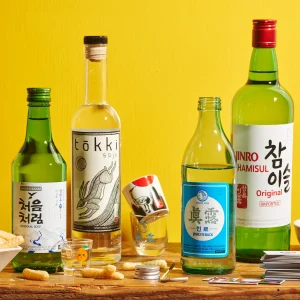
Soju is a clear, distilled liquor that originates from Korea and is widely enjoyed across Asia and beyond. It is made primarily from rice, wheat, barley, or starches like sweet potatoes and tapioca. Known for its smooth taste and versatile drinking experience, soju is often compared to vodka, but with lower alcohol content and a smoother, slightly sweet profile.
Key Characteristics of Soju:
- Clear and Colorless: Similar in appearance to vodka but with a different taste
- Mildly Sweet & Smooth: Easier to drink compared to stronger liquors
- Alcohol Content: Typically ranges from 12% to 25% ABV
- Versatile Consumption: Can be enjoyed neat, mixed in cocktails, or with food
Soju is a cultural staple in South Korea, often enjoyed at social gatherings, celebrations, and meals. It pairs well with grilled meats, spicy dishes, and Korean BBQ, making it a go-to beverage for dining and socializing.
History and Origin of Soju
The origins of soju date back to the 13th century, during the Mongol invasion of Korea. The Mongols introduced distillation techniques from the Middle East, which influenced the production of Korean soju. Over time, soju evolved into a staple alcoholic beverage enjoyed across generations.
Key Historical Milestones of Soju:
| Time Period | Event |
| 13th Century | Mongols introduce distillation techniques to Korea |
| Joseon Dynasty (1392-1897) | Soju becomes widely popular and locally produced |
| 20th Century | Traditional soju made from rice was restricted due to rice shortages |
| 1960s-1980s | Soju is mass-produced using alternative starches (sweet potatoes, tapioca) |
| Modern Era | Flavored and low-alcohol soju varieties gain popularity |
Today, soju has become a global drink, enjoyed not just in Korea but in countries worldwide, with various brands offering traditional and modern flavors.
Alcohol Content of Soju Explained
Soju alcohol content varies based on the brand, type, and production process. Traditionally, soju contained over 30% ABV, but modern soju is generally weaker, ranging from 12% to 25% ABV.
Why Does Soju’s Alcohol Content Vary?
- Traditional soju has a higher alcohol percentage due to its original distillation method.
- Modern soju is diluted with water and sweeteners, making it lighter and more palatable.
- Flavored soju (fruit-infused varieties) contains around 12-14% ABV, catering to casual drinkers.
Soju’s alcohol percentage makes it stronger than beer or wine but weaker than vodka, whiskey, or rum.
How Soju’s Alcohol Content Compares to Other Spirits?

Soju is often compared to other spirits in terms of alcohol strength and drinking experience.
| Beverage | Average Alcohol Content (ABV) | Common Serving Size |
| Beer | 4-6% | Pint (16 oz) |
| Wine | 12-15% | Glass (5 oz) |
| Soju | 12-25% | Shot (1.5 oz) |
| Vodka | 35-50% | Shot (1.5 oz) |
| Whiskey | 40-50% | Shot (1.5 oz) |
While soju is weaker than vodka or whiskey, its smooth taste and versatility make it a preferred choice for moderate drinking sessions.
Factors Affecting Soju’s Alcohol Percentage
The alcohol content of soju can be influenced by various factors, including:
- Ingredients Used: Rice-based soju is typically stronger than starch-based soju.
- Production Methods: Traditional distilled soju has a higher alcohol content, while modern soju is diluted.
- Brand Variations: Some brands offer light soju (12-14% ABV), while others maintain the classic strength (20-25%).
- Flavored Soju: Fruit-based soju has a lower alcohol content due to added sweeteners and flavorings.
Understanding these factors helps consumers choose the right soju for their taste preference and drinking capacity.
Different Types of Soju and Their Alcohol Content
Soju comes in different varieties, each with a distinct alcohol level:
| Type of Soju | Alcohol Content (ABV) |
| Classic (Distilled) Soju | 25-30% |
| Diluted (Modern) Soju | 16-20% |
| Fruit-Flavored Soju | 12-14% |
| Premium Soju (Aged or Special) | 25-40% |
Choosing the right soju type depends on whether you prefer stronger, traditional flavors or a lighter, sweeter drinking experience.
Traditional vs. Modern Soju Alcohol Levels
Traditional soju was stronger (above 30% ABV) due to its pure distillation process. However, modern trends have led to lighter soju (12-16% ABV) that is smoother and more drinkable.
Key Differences:
- Traditional Soju: Stronger, distilled, and closer to whiskey in strength.
- Modern Soju: Diluted, lower in alcohol, and smoother for casual drinking.
- Flavored Soju: Lower in alcohol with a fruitier taste for beginners.
This shift in alcohol levels makes soju more accessible to a wider audience.
How to Drink Soju Responsibly?
While soju is a fun and social drink, drinking responsibly is crucial.
Tips for Safe Soju Drinking:
- Know Your Limits: Stick to moderate consumption based on your tolerance.
- Eat While Drinking: Korean tradition pairs soju with food to balance alcohol intake.
- Stay Hydrated: Alternate soju shots with water to prevent dehydration.
- Avoid Mixing Too Many Alcohols: Stick to one type of alcohol per session.
Drinking soju responsibly ensures an enjoyable and safe experience.
Soju Cocktails and Mixed Drinks Alcohol Content
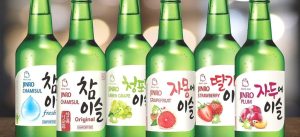
Soju’s smooth, mild taste makes it a perfect base for cocktails and mixed drinks, offering a lower alcohol alternative to stronger spirits like vodka or whiskey. The alcohol content of soju cocktails varies depending on the soju type, mixers, and proportions used. Traditional soju has an alcohol percentage ranging from 16-25% ABV, but when mixed with other beverages, the overall alcohol level decreases.
Popular Soju Cocktails and Their Alcohol Content
| Cocktail Name | Ingredients | Estimated Alcohol Content (ABV) |
| Soju Bomb (Somaek) | Soju + Beer | 8-12% |
| Yogurt Soju | Soju + Yogurt Drink + Soda | 5-10% |
| Soju Mojito | Soju + Mint + Lime + Soda | 8-12% |
| Strawberry Soju Cocktail | Soju + Strawberry Puree + Lemonade | 6-10% |
| Melona Soju | Soju + Melona Ice Cream + Sprite | 4-8% |
Since soju is lighter than vodka or whiskey, these cocktails are smooth, refreshing, and easy to drink. However, the alcohol can add up quickly, so it’s important to enjoy them responsibly. Whether you’re sipping a fruity, refreshing mix or a bold, beer-infused combination, soju cocktails provide a delicious twist on traditional drinking.
Health Effects of Soju’s Alcohol Content
Like any alcoholic beverage, soju affects the body in both positive and negative ways, depending on consumption levels and drinking habits. While moderate consumption can be part of a social lifestyle, excessive drinking can lead to serious health risks.
Potential Health Benefits of Moderate Soju Consumption
- Lower Alcohol Content: Compared to vodka or whiskey, soju has less alcohol, making it a milder option.
- Antioxidant Properties: Some soju varieties contain fermented ingredients that may provide minor health benefits.
- Stress Relief: Drinking moderately in a social setting can help with relaxation and stress reduction.
Health Risks of Excessive Soju Drinking
- Liver Damage: Long-term excessive drinking may cause liver disease and cirrhosis.
- Weight Gain: Soju contains sugar and calories, leading to weight-related issues if consumed in large amounts.
- Increased Risk of Alcohol Dependence: Like all alcoholic drinks, overconsumption can lead to addiction.
The key to enjoying soju safely is moderation. Drinking in controlled amounts, staying hydrated, and pairing soju with food can help reduce negative health effects.
Legal Regulations on Soju Alcohol Percentage Worldwide
Soju is a widely consumed liquor, and its alcohol percentage and distribution are regulated differently across countries. Some nations classify soju as a spirit, while others treat it like beer or wine due to its lower alcohol content.
Soju Alcohol Regulations in Different Countries
| Country | Legal Alcohol Limit | Classification |
| South Korea | 12-25% ABV | Soju is regulated under national liquor laws |
| United States | Under 24% ABV sold in convenience stores, higher ABV in liquor stores | Considered a distilled spirit in most states |
| Japan | Must be below 24% ABV to be taxed as low-alcohol liquor | Considered a light spirit |
| Canada | Available in liquor stores, strict import regulations | Classified as hard liquor |
| Europe (varies by country) | Sold in restaurants and liquor stores | Regulated similarly to vodka and other spirits |
Because soju is lower in alcohol than vodka or whiskey, some countries allow lower-taxation policies, making it more accessible. However, high-proof soju is still subject to stricter alcohol regulations in certain regions.
Soju is not just a popular drink, but it has many interesting facts related to its alcohol content and cultural impact.
- Soju was once over 40% ABV! Traditional soju had an alcohol percentage of above 40%, but modern versions are milder, with most brands ranging from 12-25% ABV.
- Soju is the best-selling liquor in the world. With over 3 billion bottles sold annually, soju surpasses even vodka and whiskey in global sales.
- The lower alcohol content makes soju easier to drink. Compared to vodka (40% ABV) or whiskey (45-50% ABV), soju is lighter and smoother, making it more accessible to casual drinkers.
- Some soju brands are specially designed for lightweight drinkers. Fruit-flavored soju with 12-14% ABV is created for those who prefer a less intense alcohol experience.
- Soju bombs (Somaek) can pack a punch! A soju-beer mix might seem lighter, but the combined alcohol level can reach 8-12% ABV, making it stronger than beer alone.
- Different countries have different limits on soju’s alcohol content. Some nations restrict high-alcohol soju, allowing only the lighter versions to be sold in regular stores.
- Traditional distilled soju is making a comeback. Some distilleries are bringing back stronger, traditional soju (30-40% ABV) for those who want a more authentic drinking experience.
Frequently Asked Questions about Soju Alcohol Content
Is soju stronger than vodka?
No, vodka typically has 40% ABV, while soju ranges between 12-25% ABV, making it much lighter.
Can I get drunk from soju?
Yes, although soju has a lower alcohol percentage, drinking multiple shots can still lead to intoxication.
What is the strongest soju available?
Traditional distilled soju can have over 40% ABV, but modern soju brands usually stay below 25% ABV.
Why is soju’s alcohol content lower than before?
Due to changing consumer preferences, modern soju is diluted to make it lighter and more drinkable.
What is the best soju for beginners?
Flavored soju (12-14% ABV) is recommended for beginners, as it is smoother and less intense than regular soju.
Can you mix soju with other alcohols?
Yes, soju is commonly mixed with beer (Somaek) or used in cocktails, but always drink responsibly.
Does soju have fewer calories than other liquors?
Yes, soju has fewer calories than whiskey or vodka, but flavored soju contains added sugars, which increase the caloric intake.
Conclusion of Soju Alcohol Content
Soju is a versatile and unique alcoholic beverage with an alcohol content ranging from 12% to 25% ABV. Over time, traditional soju (30-40% ABV) has evolved into a milder, more accessible drink, making it a favorite in Korea and beyond.
Compared to vodka, whiskey, or rum, soju has a lower alcohol percentage, making it an ideal choice for social drinking. However, its smooth taste can be misleading, leading to overconsumption if not enjoyed responsibly.
From classic soju shots to creative cocktails, soju offers a wide variety of drinking experiences. Whether you prefer a strong traditional soju or a light fruity mix, understanding its alcohol content and effects allows for a safe and enjoyable drinking experience.