A Practical Dubai Real Estate Investor Guide for Long Term International Buyers
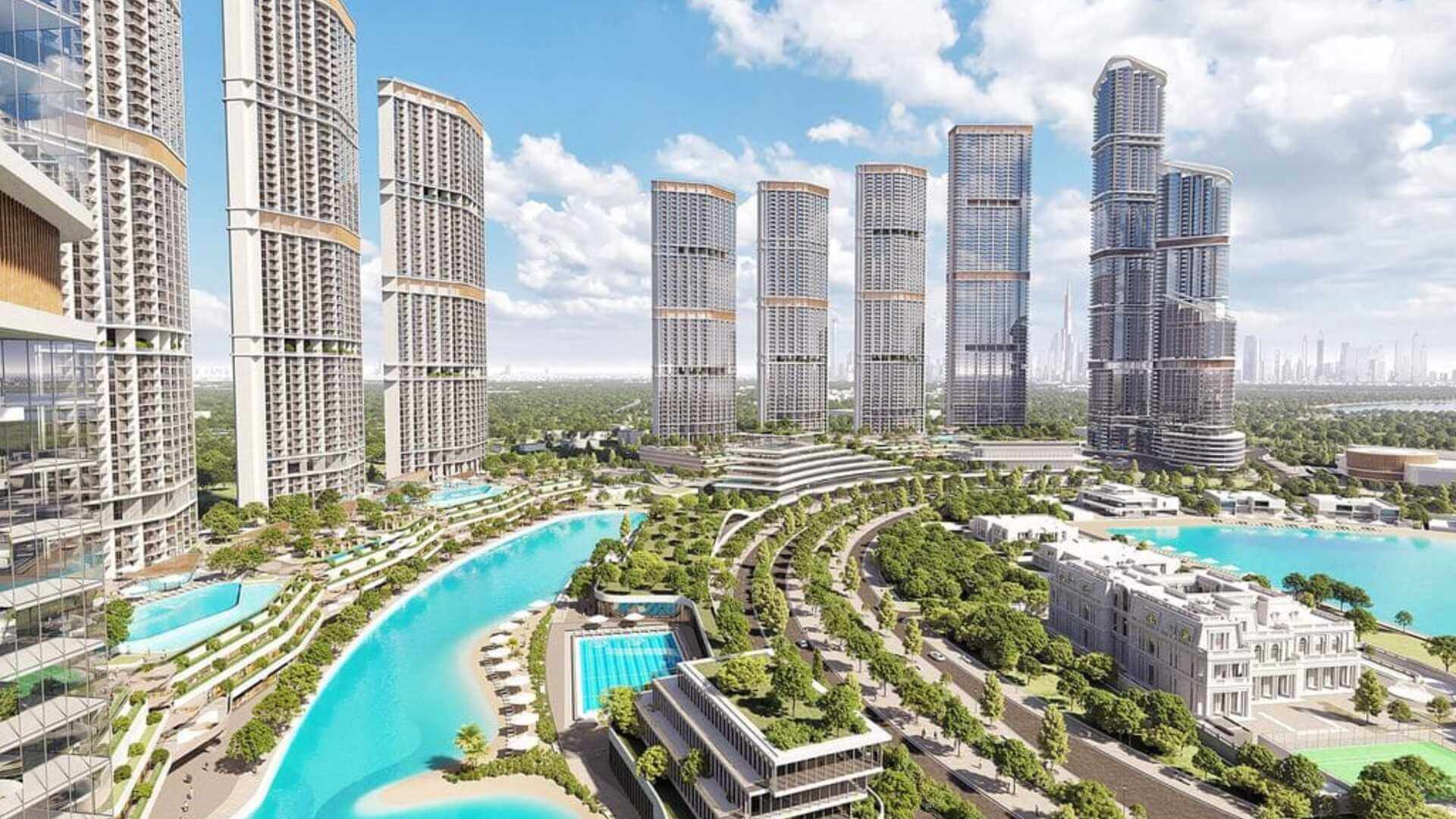
Dubai has evolved from a fast growing regional market into one of the most internationally recognized real estate investment destinations in the world. What makes the city distinctive is not only the scale of development, but the way its property market connects global capital, infrastructure growth, business activity, and long term residential demand within a single ecosystem.
For international buyers, Dubai offers access to a market that combines freehold ownership opportunities, comparatively strong rental performance, and a globally connected economic environment. At the same time, successful investment in Dubai requires more than market enthusiasm. Long term results depend on understanding how ownership structures, demand patterns, costs, and location dynamics interact over time.
A practical investment approach begins with viewing Dubai not as a short term opportunity, but as a structured market where disciplined asset selection matters far more than rapid entry.
Understanding How Dubai’s Property Market Functions
One of the biggest misconceptions among first time international buyers is assuming Dubai operates as a uniform market. In reality, performance varies significantly between districts, property categories, and buyer segments.
Residential communities in Dubai often function as separate micro markets with their own pricing behavior, rental demand patterns, and liquidity conditions. Areas connected to employment centers, transport infrastructure, and established lifestyle districts tend to maintain stronger occupancy consistency and more resilient long term demand.
This means investors should avoid evaluating Dubai purely through citywide price movement. A property in Dubai Marina behaves differently from one in Jumeirah Village Circle, Downtown Dubai, or Dubai Hills Estate because the underlying demand profile is different in each location.
Long term investors typically focus less on speculative appreciation and more on measurable indicators such as:
- occupancy consistency
- rental demand stability
- infrastructure connectivity
- supply balance within the surrounding area
- long term livability of the community
These factors often determine whether an asset maintains performance across multiple market cycles.
Freehold Ownership and International Access
Dubai’s legal framework allows foreign nationals to purchase property in designated freehold areas. This has been one of the primary drivers behind the city’s international investment growth over the past two decades.
In practical terms, freehold ownership means international investors can hold full ownership rights to eligible properties without requiring local partnership structures. Ownership registration is formalized through official government systems, which adds transparency and legal clarity to transactions.
However, accessibility should not be mistaken for simplicity. International buyers still need to evaluate:
- developer credibility
- title registration status
- community quality
- project delivery history
- long term demand drivers within the location
The most successful investors approach Dubai with the same level of due diligence they would apply in London, Singapore, or New York rather than treating it as a purely speculative market.
Why Long Term Buyers Evaluate Demand Before Pricing
Many first time investors focus heavily on acquisition price while paying less attention to the durability of demand surrounding the asset. In Dubai, long term performance is often more dependent on sustained tenant and buyer demand than initial purchase discounts.
For example, a property purchased at a lower entry price in a weak demand corridor may ultimately underperform compared to a more expensive unit located in an area with stronger occupancy consistency and better infrastructure integration.
Long term investors usually assess several layers of demand:
- residential population growth within the district
- proximity to commercial and employment zones
- transport accessibility
- school and lifestyle infrastructure
- future development pipeline in the surrounding area
These variables influence rental resilience and resale liquidity over time.
In many ways, a practical Dubai real estate investor guide is less about identifying the cheapest property and more about understanding where demand is likely to remain structurally stable over the next decade.
Rental Income and Yield Expectations
Dubai continues to attract international investors because of its relatively strong rental yield profile compared to many mature global cities. Rental demand is supported by a large expatriate population, international workforce mobility, and continued business activity across sectors such as finance, technology, hospitality, and trade.
That said, headline yield figures can sometimes create unrealistic expectations when viewed without context.
Actual investment performance depends on several factors:
- occupancy consistency
- service charge levels
- tenant turnover frequency
- maintenance expenses
- financing costs where applicable
An investor focused only on gross rental yield may overlook how operational costs affect net returns over time.
Properties with stable tenant demand and efficient cost structures often outperform assets that appear stronger on paper but carry higher ongoing expenses or inconsistent occupancy patterns.
Off Plan Versus Ready Property Decisions
One of the most important strategic choices for international investors is deciding between off plan and ready property acquisitions.
Off plan properties are purchased during development and are often structured around phased payment plans. These investments may provide lower entry pricing and exposure to future appreciation if the surrounding area develops strongly over time.
Ready properties, on the other hand, provide immediate ownership utility and income generation potential. Investors can evaluate:
- existing rental performance
- building quality
- community maturity
- occupancy trends
- surrounding infrastructure
Each approach serves different investment objectives.
Off-plan investments are generally more dependent on developer execution and future market conditions, while ready properties tend to provide more immediate clarity around asset performance.
Long term investors often balance both approaches depending on their capital strategy and income priorities.
Cost Structure and Ownership Efficiency
Understanding the real cost structure behind ownership is essential for accurate investment planning.
Dubai does not impose recurring annual property taxes in the same way many global cities do. This is one reason the market is viewed favorably by international investors seeking stronger income retention.
However, ownership still involves important operational and transaction related costs.
These may include:
- transfer fees during acquisition
- registration costs
- agency commissions
- annual service charges
- maintenance expenses
- property management fees where applicable
Service charges are particularly important because they vary significantly between developments and directly affect net income performance.
A luxury tower with extensive amenities may generate strong rental demand but also carry higher operational costs that compress actual yield.
Sophisticated investors evaluate properties based on net performance rather than headline income projections alone.
Why Developer Quality Matters More Than Marketing
In Dubai’s property market, developer reputation often has a direct influence on investment outcomes.
This is particularly relevant in off plan projects where construction timelines, build quality, and long term maintenance standards significantly affect asset performance.
Experienced buyers usually examine:
- project delivery history
- consistency in construction timelines
- quality of completed developments
- post handover management standards
- reputation among existing owners
Marketing materials alone rarely provide a reliable measure of long term project quality.
The strongest long term investments are often associated with developers that demonstrate operational consistency rather than simply producing visually attractive launches.
Liquidity and Exit Strategy Considerations
Long term investing does not eliminate the importance of liquidity. Investors still need to understand how efficiently an asset can be repositioned or sold under changing market conditions.
Liquidity in Dubai is highly location dependent. Properties in established communities with strong demand profiles generally maintain stronger resale activity than units in less proven developments.
Factors that typically improve liquidity include:
- proximity to major business districts
- consistent rental occupancy
- established infrastructure
- realistic pricing relative to the surrounding market
- broader buyer appeal within the asset category
Studios and smaller apartments, for example, often attract wider buyer pools due to lower capital requirements, while ultra luxury properties may depend on narrower high net worth demand segments.
Understanding exit flexibility is just as important as understanding acquisition potential.
A Long Term View on International Property Investment in Dubai
Dubai’s real estate market continues to attract international buyers because it combines global accessibility, infrastructure driven growth, and comparatively strong income potential within a transparent ownership environment.
At the same time, long term success in the market depends less on short term momentum and more on disciplined investment selection. Buyers who focus on demand durability, cost efficiency, developer quality, and location fundamentals are generally better positioned to navigate market cycles with consistency.
The most effective international investors do not approach Dubai as a speculative shortcut. They treat it as a structured real estate market where careful positioning, informed decision making, and long term thinking create stronger outcomes over time.