AI Bathroom Design Tool: A Smarter Way to Plan Your Perfect Bathroom
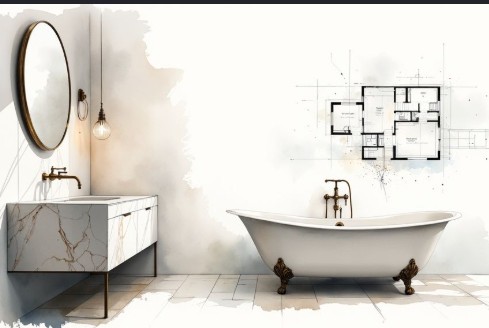
Designing a bathroom involves much more than choosing attractive tiles or a stylish vanity. Every decision, from the layout and storage to lighting and fixtures, affects both functionality and comfort. Whether you’re remodeling a small guest bathroom or creating a luxurious master suite, planning every detail can be challenging. An AI bathroom design tool simplifies the process by helping you visualize ideas, compare styles, and create practical layouts before renovation begins.
Artificial intelligence is transforming home design by making professional-quality planning accessible to everyone. Instead of relying solely on imagination, homeowners can explore different designs in minutes, reducing uncertainty and making remodeling decisions with greater confidence.
What Is an AI Bathroom Design Tool?
An AI bathroom design tool is digital software that uses artificial intelligence to generate bathroom layouts, suggest design ideas, and create realistic visualizations based on your preferences. Some platforms allow users to upload a photo of their existing bathroom, while others let you build a room from scratch using accurate dimensions.
The software analyzes the available space and helps users experiment with different combinations of:
- Bathroom layouts
- Tile designs
- Vanities
- Bathtubs
- Showers
- Toilets
- Mirrors
- Lighting
- Color palettes
- Storage solutions
Within minutes, users can compare multiple design concepts without needing advanced design skills.
Why More Homeowners Are Using AI for Bathroom Design
Bathroom remodeling is often a significant investment. Poor planning can lead to expensive changes during construction, making visualization an important part of the process.
AI-powered design tools have become increasingly popular because they offer several practical benefits.
Faster Design Process
Traditional planning often requires multiple sketches and revisions. AI generates complete design concepts much more quickly, allowing homeowners to compare different options without waiting.
Better Visualization
Many people struggle to imagine how different materials and finishes will work together. AI creates realistic previews that make decision-making much easier.
Improved Planning
Testing layouts before renovation begins helps identify potential issues with spacing, storage, or fixture placement.
Cost Savings
Making changes in a digital design is far less expensive than altering completed construction work.
Features of an AI Bathroom Design Tool
Modern bathroom design software offers a wide range of features that make planning both simple and enjoyable.
Photo-Based Remodeling
Upload an image of your current bathroom and let the software generate multiple renovation ideas while preserving the room’s structure.
Smart Layout Suggestions
AI recommends layouts that maximize available space while improving functionality.
Material Selection
Experiment with different combinations of:
- Ceramic tiles
- Porcelain flooring
- Marble surfaces
- Quartz countertops
- Glass shower enclosures
- Wood vanities
Color Recommendations
Test various wall colors, tile finishes, and cabinet styles to create a balanced design.
Lighting Planning
Visualize how natural and artificial lighting affects the appearance of your bathroom.
3D Visualization
Walk through your future bathroom using realistic three-dimensional views before construction begins.
Popular Bathroom Design Styles
An AI bathroom design tool allows users to explore a wide variety of interior styles.
Modern Bathroom
Modern bathrooms feature clean lines, floating vanities, frameless mirrors, and neutral color palettes.
Contemporary Bathroom
Contemporary designs combine sleek fixtures with bold accents and innovative materials for a sophisticated appearance.
Minimalist Bathroom
Minimalist spaces focus on simplicity, uncluttered layouts, and functional storage while maintaining a bright and open atmosphere.
Luxury Spa Bathroom
Spa-inspired bathrooms include freestanding bathtubs, rainfall showers, premium materials, and calming lighting to create a relaxing retreat.
Traditional Bathroom
Classic cabinetry, decorative mirrors, elegant fixtures, and timeless finishes define traditional bathroom designs.
How to Use an AI Bathroom Design Tool
Creating a bathroom design is straightforward, even for beginners.
Step 1: Measure the Room
Start by entering accurate room dimensions, including the location of doors, windows, plumbing connections, and ceiling height.
Step 2: Choose a Layout
Select the arrangement that best fits your available space while maintaining comfortable movement throughout the room.
Step 3: Add Fixtures
Position key elements such as:
- Toilet
- Sink
- Vanity
- Shower
- Bathtub
- Storage cabinets
Step 4: Select Materials
Compare different flooring, wall tiles, countertops, and finishes until you find a combination that matches your style.
Step 5: Review in 3D
Examine your design from multiple angles and make adjustments before finalizing your renovation plans.
Tips for Designing a Functional Bathroom
A beautiful bathroom should also be practical for everyday use.
Maximize Storage
Include wall cabinets, vanity drawers, shelving, and recessed niches to keep everyday items organized.
Prioritize Lighting
Combine ceiling lighting, vanity lights, and accent lighting to improve visibility while creating a comfortable atmosphere.
Choose Durable Materials
Bathrooms experience constant moisture, so select surfaces that resist water, stains, and daily wear.
Improve Ventilation
Good airflow helps reduce humidity, prevent mold growth, and extend the lifespan of finishes and fixtures.
Keep the Layout Comfortable
Leave enough space between fixtures to ensure the room feels open and easy to navigate.
Common Bathroom Design Mistakes
Using AI helps identify problems before construction starts, but it’s still important to avoid common mistakes.
Some examples include:
- Choosing oversized fixtures for a small room
- Ignoring storage requirements
- Installing insufficient lighting
- Overlooking ventilation
- Selecting slippery flooring materials
- Blocking door movement
- Creating cramped walkways
- Forgetting electrical outlet placement
Careful planning helps avoid unnecessary remodeling expenses later.
Who Can Benefit From an AI Bathroom Design Tool?
These tools are useful for many different users.
Homeowners can explore remodeling ideas before hiring contractors. Interior designers can quickly present multiple concepts to clients. Builders can communicate design options more effectively, while property developers can visualize bathrooms for new construction projects. Even DIY renovators can use AI to gain confidence before purchasing materials or beginning renovations.
Regardless of the project’s size, AI simplifies the planning process and encourages better design decisions.
The Future of AI Bathroom Design
Artificial intelligence continues to improve, making bathroom planning even more personalized. Future design tools are expected to offer advanced features such as real-time augmented reality previews, personalized material recommendations, automatic cost estimates, sustainability-focused suggestions, and integration with smart home technology.
As these innovations become more widely available, homeowners will be able to create highly customized bathrooms with greater accuracy while reducing planning time and unnecessary expenses.
Final Thoughts
An AI bathroom design tool offers a smarter and more efficient way to plan a bathroom renovation. By combining intelligent layout suggestions, realistic visualizations, and customizable design options, it helps homeowners transform ideas into practical plans before construction begins.
Whether you’re updating a compact powder room or designing a luxurious master bathroom, AI allows you to experiment with layouts, materials, and finishes while avoiding costly mistakes. With better planning and clearer visualization, creating a bathroom that is both beautiful and functional has never been easier.