Banana Seeds: Understanding Their Role, Evolution, and Future
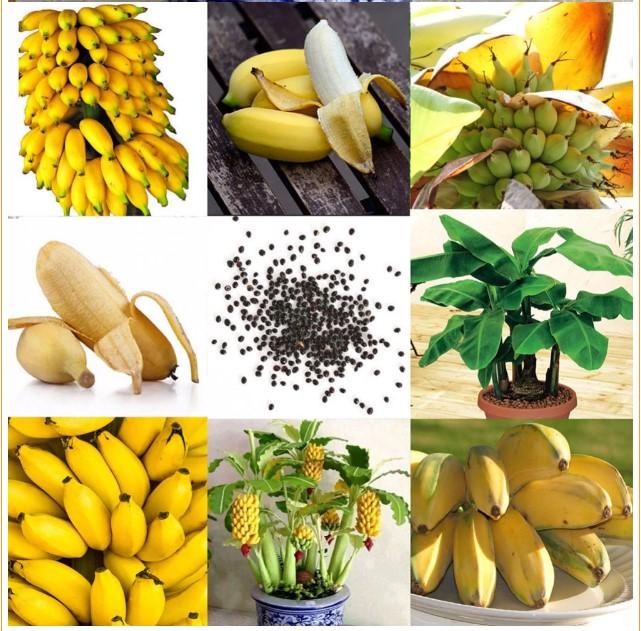
Banana seeds play a crucial role in the natural life cycle of the banana plant, yet many people are unaware of their significance. Wild banana varieties contain large, prominent seeds that enable reproduction, while commercially cultivated bananas are almost entirely seedless due to selective breeding. This distinction impacts how bananas are propagated and cultivated worldwide.
Wild bananas, found in tropical regions, rely on their seeds for natural reproduction. These seeds vary in size, shape, and viability, depending on the species. In contrast, modern bananas are sterile and must be cultivated through vegetative methods like sucker propagation or tissue culture. Understanding banana seeds is essential for conservation, agricultural sustainability, and breeding disease-resistant varieties. Scientists and farmers are working to integrate seed genetics into farming to improve crop resilience.
The presence or absence of seeds in bananas affects their economic and agricultural value. While seedless bananas are easier to consume, they are vulnerable to pests and diseases because they lack genetic variation. Wild banana seeds offer a solution, helping breeders develop more resilient banana plants. This makes banana seeds an essential component of future banana cultivation and biodiversity preservation.
Biological Overview and Anatomy
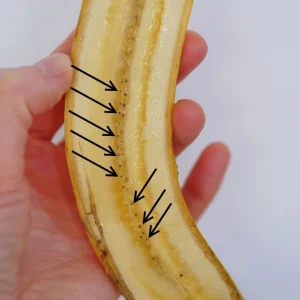
Banana seeds differ significantly between wild and cultivated varieties, influencing their growth, reproduction, and sustainability. Wild bananas contain numerous hard seeds, while cultivated bananas have tiny, undeveloped remnants of seeds.
- Structure and Formation: Banana seeds are small, hard structures found inside the flesh of wild bananas. They are surrounded by a protective outer layer, which aids in germination and seedling development.
- Size and Appearance: Wild banana seeds are black, round, and firm, ranging from 3 to 10 mm in size. Cultivated bananas contain small, black specks, which are the remnants of undeveloped seeds.
- Seed Germination: Viable banana seeds require warm, humid conditions to germinate. However, the process is slow, often taking several months to sprout.
While modern bananas are mostly seedless, their wild counterparts continue to propagate naturally through seeds. Scientists study banana seeds to improve crop resilience, develop new varieties, and address agricultural challenges.
History and Evolution
The transformation of bananas from wild seeded varieties to modern seedless cultivars is a result of thousands of years of selective breeding. Bananas originated in Southeast Asia, where early humans cultivated them for their edible qualities and reduced seed content.
- Early Wild Bananas: The first bananas were small, full of seeds, and less sweet. Their thick seeds made them difficult to eat, but they were a crucial food source for early civilizations.
- Selective Breeding: Over time, farmers selected naturally occurring mutants with fewer seeds and softer flesh, leading to the development of triploid bananas, which are sterile and require vegetative propagation.
- Modern Seedless Bananas: Today’s bananas, such as the Cavendish variety, are cultivated without seeds, relying on human intervention for reproduction.
Understanding the evolution of bananas helps in conserving wild species and developing disease-resistant and climate-adaptive cultivars.
Types and Varieties of Banana Seeds
Banana seeds vary across different species and cultivars, influencing their growth, reproduction, and agricultural significance. While wild bananas contain fully developed seeds, cultivated bananas have vestigial, non-functional seeds.
- Wild Banana Seeds: Found in species like Musa balbisiana and Musa acuminata, wild banana seeds are large, dark, and viable, essential for natural reproduction.
- Cultivated Banana Seeds: Modern bananas, including Cavendish, contain small, undeveloped seeds that do not contribute to reproduction.
- Seed Viability: Wild banana seeds can germinate, whereas commercial banana seeds are sterile.
The difference in banana seed structure highlights the impact of human cultivation and selective breeding on banana varieties.
Where to Get Banana Seeds

Banana seeds can be sourced from specialized suppliers, agricultural institutes, and online seed banks. Below is a table listing common sources:
| Source | Availability | Seed Type |
| Online Seed Banks | Global | Wild Banana Seeds |
| Agricultural Institutes | Regional | Research & Hybrid Seeds |
| Local Nurseries | Limited | Ornamental Banana Seeds |
| Specialty Plant Shops | Varies | Rare Banana Species |
Finding wild banana seeds allows farmers and researchers to explore new genetic variations for sustainable agriculture.
Propagation and Cultivation
Bananas reproduce through two main methods: seed germination (wild bananas) and vegetative propagation (cultivated bananas).
- Wild Banana Reproduction: Wild bananas rely on seeds for natural propagation, but their germination process is slow and requires optimal conditions.
- Cultivated Banana Propagation: Since most commercial bananas lack seeds, they are propagated through tissue culture, suckers, or rhizomes to maintain genetic consistency and high yields.
Advancements in tissue culture techniques have revolutionized banana farming, allowing for rapid propagation and disease-resistant strains.
Nutritional and Culinary Uses
Nutritional Profile
Wild banana seeds contain a variety of essential nutrients that contribute to overall health. They are rich in fiber, which aids digestion and promotes gut health. Additionally, these seeds contain essential oils and antioxidants that help combat free radicals in the body, supporting metabolism and reducing oxidative stress.
The presence of these beneficial compounds makes banana seeds a valuable natural resource, particularly in traditional medicine and nutritional research.
Culinary Uses
While banana seeds are not a common part of everyday diets, some communities have found ways to incorporate them into food and medicinal applications. In certain regions, banana seeds are crushed, ground, or boiled to extract their beneficial properties.
They are sometimes added to herbal remedies, where they are believed to help with digestion, inflammation, and detoxification. Although not a staple food, banana seeds hold cultural and medicinal significance in some traditional healing practices.
Limitations
Despite their nutritional benefits, banana seeds are hard, dense, and bitter, making them difficult to consume in their raw form. Their tough texture requires processing before consumption, and even then, their bitter taste limits their culinary appeal.
Due to these factors, banana seeds are not widely used in modern cuisine. However, ongoing research is exploring new ways to utilize their nutritional and medicinal properties.
Agricultural and Economic Significance
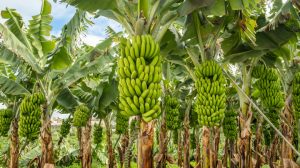
Genetic Breeding
Banana seeds play a crucial role in genetic breeding programs, particularly for developing disease-resistant banana varieties. Wild banana species, which contain viable seeds, possess genetic traits that make them more resilient to pests, climate changes, and diseases like Panama disease and Black Sigatoka.
By crossbreeding wild and cultivated banana plants, scientists can introduce these natural defenses into commercial banana strains, ensuring the long-term survival of banana crops.
Economic Impact
The absence of seeds in cultivated bananas makes them more appealing for consumers and easier to transport, leading to higher commercial value. However, the seedless nature of commercial bananas also presents challenges. Since these bananas cannot reproduce naturally, farmers must rely on vegetative propagation methods such as rhizomes, suckers, or tissue culture.
This process requires specialized farming techniques, increasing production costs. Additionally, the lack of genetic diversity makes commercial banana crops more vulnerable to disease outbreaks, posing risks to global banana markets.
Future Sustainability
To ensure the sustainability of banana farming, agricultural researchers are integrating wild banana genetics into commercial banana breeding programs.
By doing so, they aim to create stronger, more adaptable banana varieties that can withstand environmental changes and diseases. This approach not only helps secure banana production but also contributes to the global food supply and economic stability in banana-dependent regions.
Challenges in Breeding and Conservation
Sterility Issues
One of the biggest challenges in banana breeding is sterility. Commercial banana varieties, such as the popular Cavendish, cannot produce viable seeds due to their triploid genetic structure. This sterility makes them highly dependent on artificial propagation methods, leaving them vulnerable to pests, fungal infections, and climate changes.
Without the ability to reproduce naturally, banana crops face an increased risk of extinction if new diseases emerge.
Biodiversity Loss
The widespread cultivation of genetically identical bananas has led to a decline in banana biodiversity. Many wild banana species that contain viable seeds are being lost due to deforestation, urbanization, and climate change. The destruction of their natural habitats threatens the genetic pool necessary for banana breeding programs, making it harder to develop resilient crops.
Without conservation efforts, future banana farming may face severe challenges in adapting to new environmental conditions.
Conservation Efforts
Scientists and agricultural organizations are working to preserve wild banana species through conservation projects. Efforts such as seed banks, botanical gardens, and genetic research are essential for protecting banana biodiversity.
By safeguarding wild banana seeds, researchers can continue to study their genetic traits, ensuring that future banana crops remain sustainable, disease-resistant, and adaptable to environmental changes.
Frequently Asked Questions About Banana Seeds
Do all bananas have seeds?
No, commercial bananas are seedless, while wild bananas contain large, viable seeds.
Can banana seeds be planted?
Yes, but only wild banana seeds can germinate and grow into plants.
Why are commercial bananas seedless?
They are bred for better taste, texture, and ease of consumption.
Where can I buy banana seeds?
They are available from seed banks, online stores, and agricultural institutions.
Are banana seeds edible?
They are technically edible, but hard and bitter, making them unsuitable for regular consumption.
How are seedless bananas grown?
They are propagated through suckers, rhizomes, or tissue culture techniques.
What is the role of banana seeds in research?
They are studied to develop disease-resistant and climate-adaptive banana varieties.
Conclusion on Banana Seeds
Banana seeds may not be common in the fruits we consume daily, but they play a vital role in agriculture, conservation, and genetic research. While modern bananas have been selectively bred to be seedless, wild banana seeds continue to be valuable for breeding programs aimed at developing disease-resistant and sustainable crops.
The seedless nature of commercial bananas makes them easier to consume but also limits their genetic diversity, making them vulnerable to pests and diseases. By preserving wild banana species and their seeds, scientists can improve banana cultivation methods, ensuring the future of this globally important fruit.
Understanding banana seeds helps us appreciate the delicate balance between convenience and sustainability in agriculture. As research continues, integrating wild banana genetics into commercial farming could provide solutions to environmental challenges, economic concerns, and food security issues worldwide.