Batter vs Pitcher Stats Today – Full MLB Breakdown
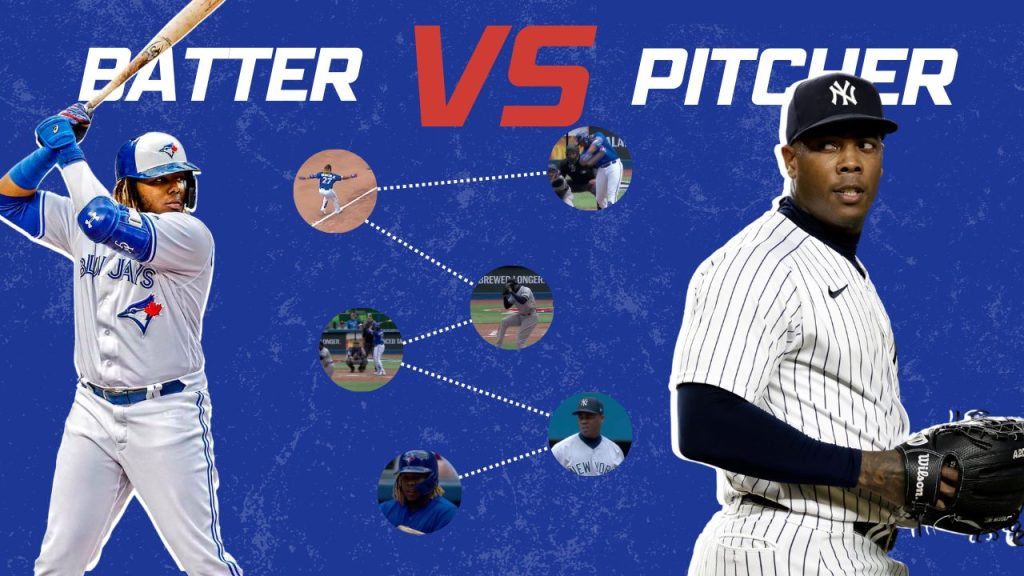
Batter vs pitcher stats today are the single most searched piece of daily intelligence for fantasy baseball managers, DFS players, and MLB betting enthusiasts.
Every morning before the first pitch, thousands of fans pull up BvP matchup data to identify which hitters have historically dominated today’s starting pitchers and which batters are walking into a nightmare matchup.
With the 2026 MLB season kicking off on March 25 at Oracle Park, batter vs pitcher stats today are more important than ever.
This complete guide covers how BvP data works, where to find it, how to use it correctly, and what advanced metrics will give you an edge all season long.
Quick Facts Table: Batter vs Pitcher Stats Today (2026 Reference Guide)
| Category | Key Detail |
|---|---|
| Keyword Abbreviation | BvP (Batter vs Pitcher) |
| 2026 MLB Opening Night | March 25, Yankees at Giants, Oracle Park |
| 2026 Traditional Opening Day | March 26 (earliest in MLB history) |
| Best BvP Data Sources | Baseball-Reference, RotoWire, RotoBaller, ESPN, Stathead |
| Minimum Useful Sample Size | 20+ plate appearances (most analysts recommend 30+) |
| Key Stats in BvP Analysis | AVG, OBP, SLG, OPS, HR, K%, BB%, wOBA |
| Advanced Metrics to Pair With BvP | wRC+, ISO, BABIP, xFIP, FIP, Barrel%, Exit Velocity |
| Handedness Factor | Left vs Right platoon splits are more reliable than raw BvP |
| DFS Platforms Using BvP | DraftKings, FanDuel, Yahoo DFS |
| 2026 All-Star Game | July 14, Citizens Bank Park, Philadelphia |
| 2026 Regular Season End | September 27 |
| Teams in 2026 | 30 MLB teams, 162 games each |
| Rivalry Weekend 2026 | May 15–17 |
| MLB BvP Data Coverage | Baseball-Reference covers play-by-play back to 1969 |
| Best Free BvP Tool | Baseball-Reference Versus Finder (free) |
| Best Premium BvP Tool | Stathead Baseball Versus Finder (subscription) |
What Are Batter vs Pitcher Stats Today?
Batter vs pitcher stats today — commonly shortened to BvP — represent the historical record of how a specific hitter has performed against a specific pitcher across all their career plate appearances together.
Every time a batter steps in the box against a pitcher they have faced before, the BvP ledger updates. The data includes at-bats, hits, home runs, strikeouts, walks, batting average, OBP, slugging, and OPS for that exact pairing.
This data is published and updated daily by major baseball analytics platforms. On any given game day, fans and fantasy players use batter vs pitcher stats today to identify favorable or unfavorable matchups before lineups are finalized.
Why BvP Data Became So Popular
The explosion of fantasy baseball in the 1990s and daily fantasy sports in the 2010s turned batter vs pitcher stats today into mainstream analytical currency. Before DFS platforms like DraftKings and FanDuel existed, BvP was mostly a broadcaster’s talking point.
When DFS games began paying real money for single-day lineups, players needed every edge they could find. BvP data was suddenly not just interesting trivia — it was a decision-making tool with financial consequences.
Today, BvP stats are referenced by ESPN analysts, MLB broadcasters, fantasy baseball experts, sports bettors, and millions of casual fans who want to know whether their hitter has a good chance against tonight’s starter.
How BvP Stats Are Tracked and Published
Baseball-Reference maintains the most comprehensive career BvP database in the sport, with play-by-play data going back to 1969 and partial coverage from earlier decades. Their Versus Finder tool allows users to query any batter-pitcher combination in history.
Stathead Baseball, the premium companion to Baseball-Reference, expands these lookup capabilities with sortable databases and exportable data. RotoWire publishes a daily updated BvP table specifically organized around that day’s MLB games.
RotoBaller, ESPN, LineStar, and other fantasy baseball platforms layer BvP data alongside DFS pricing, weather conditions, park factors, and lineup projections to create comprehensive daily matchup cheat sheets.
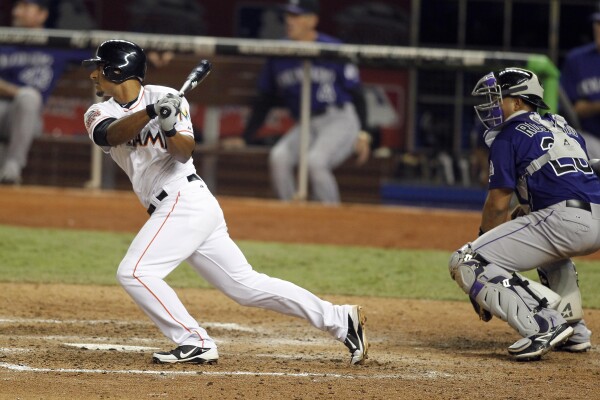
May 22, 2012; Miami, FL, USA; Miami Marlins second baseman Donovan Solano gets his first major league base hit against the Colorado Rockies in the seventh inning at Marlins Park. Mandatory Credit: Robert Mayer-US PRESSWIRE
The 2026 MLB Season Context for BvP Analysis
The 2026 MLB regular season opened on March 25 with the Yankees visiting the Giants at Oracle Park in San Francisco, the first game broadcast on Netflix. Traditional Opening Day fell on March 26, the earliest it has been scheduled in MLB history, with 22 teams beginning their seasons in an 11-game slate highlighted by Tarik Skubal and the Tigers visiting the Padres and the Dodgers starting their quest for a three-peat at home against the Diamondbacks.
With 162 games per team and 30 teams in action, the 2026 season produces a staggering volume of BvP matchups. Every day from late March through late September, fans and analysts are pulling batter vs pitcher stats today to break down the day’s slate.
The 96th All-Star Game is scheduled for July 14 at Citizens Bank Park in Philadelphia, home of the Phillies, with the game celebrating the 250th anniversary of the signing of the United States Declaration of Independence. Around marquee events like All-Star Weekend and Rivalry Weekend on May 15–17, BvP data becomes especially relevant as fans look to predict high-profile individual matchups.
Key 2026 Opening Day Starting Pitchers for BvP Reference
Understanding which pitchers are opening the season helps contextualize batter vs pitcher stats today from the very first week. Max Fried will start the season opener for the Yankees, having finished fourth in the AL Cy Young the previous season in his first year with New York, while Gerrit Cole remains on the mend from Tommy John surgery and is expected back in late May or June.
For the Mets, Freddy Peralta gets the ball on Opening Day after being acquired from the Brewers via a four-player trade in January, bringing New York the reliable frontline presence the team needed. In each of the last three seasons Peralta reached at least 30 starts and racked up at least 200 strikeouts.
Sandy Alcantara gets the Opening Day start for the Marlins for the sixth time in the last seven seasons, having gone 5-1 with a 2.68 ERA in his final eight outings of 2025 to suggest a return to form after the 2022 Cy Young winner’s rough previous year.
How to Read Batter vs Pitcher Stats Today
Reading a BvP table correctly takes less than a minute once you understand what each column means. Here is a breakdown of what you will see on any major platform publishing batter vs pitcher stats today.
PA (Plate Appearances): The total number of times the batter has faced this pitcher. This is the first number to check. Anything under 15 PA is essentially noise. Analysts generally trust samples of 20 to 30 PA as a starting point.
AB (At-Bats): Plate appearances minus walks, hit-by-pitches, and sacrifice flies. At-bats feed directly into batting average calculations. You want to see AB alongside PA to understand how often the batter walked against this specific pitcher.
H (Hits), HR (Home Runs), RBI: The raw production columns. A hitter going 8-for-18 with 3 home runs against a starter is an immediately interesting BvP line. But always check when those hits were recorded.
OBP, SLG, and OPS in BvP Context
On-base percentage in a BvP context tells you how often a hitter gets on base against that pitcher through any means — hits, walks, or hit-by-pitches. High OBP against a starter is valuable even when the batting average is modest.
Slugging percentage in BvP data tells you about extra-base hit production. A high slugging number — anything above .500 — against a specific pitcher is a strong indicator the hitter has had real success, not just soft singles.
OPS combines OBP and SLG into a single number. An OPS above .900 in a BvP matchup with a decent sample size is one of the more reliable positive signals analysts will use when building daily fantasy lineups.
K% and BB% as Matchup Filters
Strikeout percentage is one of the most actionable filters in BvP analysis. If a hitter has a 35% or higher K% against a specific pitcher, the historical data is practically telling you to avoid that matchup in DFS regardless of other factors.
Walk percentage works in the opposite direction. A hitter with a BB% above 15% against today’s starter is showing patience and an ability to work deep into counts. That on-base skill has value even when the batting average is not eye-popping.
Pairing raw BvP matchup stats with current K% and BB% splits gives you a far richer picture than any single number can provide.
The Sample Size Problem With BvP Stats
The most important caveat in batter vs pitcher stats today analysis is sample size. This is not just an academic disclaimer — it is the most practically important thing to understand before making any lineup decision.
A hitter going 4-for-6 with a home run against a pitcher is a .667 average with massive surface-level appeal. But 6 plate appearances is statistically meaningless. You could flip a coin six times and get five heads without concluding the coin is rigged.
Most serious analysts use a minimum threshold of 20 plate appearances before treating BvP data as directionally meaningful. The sweet spot most experts agree on is 30 or more plate appearances, which provides enough sample to smooth out random variance.
When BvP Sample Size Is Actually Enough
The most useful BvP matchups are veteran-on-veteran pairings where both players have spent a decade or more in the same league. Think of a player like Paul Skenes in 2026 — still early in his career — facing an established veteran hitter with 400-plus career plate appearances.
That veteran hitter’s BvP against established starting pitchers will be rich with data. But against Skenes, who began pitching in the majors in 2024, the sample is thin. In cases like this, platoon splits and recent performance data are more reliable than BvP history.
When you see a matchup where two veterans have faced each other 40, 50, or even 60-plus times, that BvP data carries genuine predictive weight — especially when it is recent and spread across multiple seasons rather than clustered in a single year.
The Stale Data Trap in BvP Analysis
Even a large BvP sample can mislead you if the data is outdated. A hitter who went 12-for-30 with 4 home runs against a pitcher from 2015 to 2018 but has gone 1-for-12 since 2019 is a red flag, not a buy signal.
The smart analyst always asks: when did those successes happen? If the bulk of a positive BvP history is clustered in seasons that are five or more years old, you are essentially betting on a past version of both players — one who may have changed mechanics, velocity, pitch mix, or physical ability entirely.
Filtering BvP data by recency — looking at only the last two or three seasons — is one of the most important habits serious analysts develop early in their fantasy baseball journey.
Advanced Metrics to Pair With Batter vs Pitcher Stats Today
Raw BvP numbers are a starting point, not a destination. The analysts who consistently win in fantasy baseball and DFS use BvP as one layer of a multi-metric filter.
Here are the advanced statistics that pair best with batter vs pitcher stats today for a more complete picture of any matchup.
wOBA (Weighted On-Base Average)
wOBA is one of the most important offensive metrics in modern baseball analysis because it weights each offensive outcome by its actual run value rather than treating all hits equally. A home run is worth more than a single, which is worth more than a walk — and wOBA captures that.
In BvP context, a hitter’s wOBA against a specific pitcher is more informative than batting average alone. An average of .280 with lots of walks and doubles is far more valuable than a .310 average consisting entirely of infield singles.
When building DFS lineups, compare a hitter’s wOBA against left-handed pitchers versus right-handed pitchers. Stacking that split against the specific pitcher type they are facing that day is more reliable than raw BvP history for pitchers with short career samples.
wRC+ (Weighted Runs Created Plus)
wRC+ is the park-adjusted and league-adjusted version of offensive production. A wRC+ of 100 is exactly league average. A wRC+ of 130 means that hitter creates 30% more runs than league average — an excellent offensive player.
When you find a hitter with a 130-plus wRC+ against the handedness of tonight’s starter, that is a powerful signal even when BvP history is thin. It tells you that regardless of who the specific pitcher is, this hitter simply performs at a high level against this type of pitcher.
Combining wRC+ split data with whatever BvP history exists gives you two independent signals pointing in the same direction — the most reliable scenario for lineup construction.
ISO (Isolated Power)
ISO measures raw power by subtracting batting average from slugging percentage. A hitter with an ISO above .200 is a legitimate power threat. An ISO above .250 is elite.
In daily fantasy scoring, home runs and extra-base hits are weighted significantly higher than singles. ISO tells you which hitters in today’s matchups have the power profile to deliver those high-scoring plays.
Cross-reference a hitter’s career ISO against the specific pitcher type they face today. A high-ISO slugger facing a fly-ball pitcher in a hitter-friendly park is one of the most appealing DFS combinations BvP analysis can surface.
BABIP (Batting Average on Balls In Play)
BABIP measures how often a batter gets a hit when they put the ball in play, excluding home runs and strikeouts. League average BABIP is typically around .300.
In BvP analysis, BABIP helps you identify whether a matchup result is sustainable or lucky. A hitter with a .480 BvP batting average against a pitcher, but a BABIP of .520 in those at-bats, is benefiting significantly from luck. That history may not repeat.
Conversely, a hitter with solid exit velocity and hard-hit rate data who shows a .200 BvP average with a low BABIP may be due for better results in the next matchup — the historical data underestimates them.
xFIP and FIP for Pitcher Evaluation
When analyzing batter vs pitcher stats today, understanding how to evaluate the pitcher’s true quality matters as much as studying the hitter’s history. FIP (Fielding Independent Pitching) strips out the influence of defense and measures only what the pitcher controls — strikeouts, walks, and home runs allowed.
xFIP goes one step further, normalizing home run rate to league average to remove park and luck effects. A pitcher with a 5.20 ERA but a 3.40 xFIP is likely pitching better than their results suggest — meaning hitters may not perform as well against them as the ERA implies.
Targeting hitters against pitchers with high FIP and xFIP numbers — even when the ERA looks acceptable — is one of the sharpest exploits in daily fantasy baseball research.
Where to Find Batter vs Pitcher Stats Today: Best Tools in 2026
There are more resources available for BvP research in 2026 than at any previous point in baseball history. Here are the best tools, ranked by type of user.
For Free Research: Baseball-Reference Versus Finder
Baseball-Reference’s Versus Finder is the gold standard of free BvP research. It allows you to query any batter-pitcher combination in major league history with play-by-play data coverage going back to 1969.
The interface is straightforward: enter a batter’s name, enter a pitcher’s name, set the year range if desired, and retrieve the full career matchup log. You can filter by season, game type, and ballpark.
The limitation is that you must run individual queries one at a time. For research on a full 10-game MLB slate, it becomes time-consuming — which is where premium tools earn their subscription cost.
For Daily Fantasy: RotoWire and RotoBaller
RotoWire publishes an updated batter vs pitcher stats today table organized around each day’s game schedule. The table is sortable by multiple stat categories and updated in real time as lineups are posted.
RotoBaller’s BvP Matchup Ratings tool goes one step further, combining career matchup history with current DFS pricing from DraftKings and FanDuel. This allows you to identify value plays — hitters with favorable BvP history who are priced below their expected performance ceiling.
Both platforms also incorporate weather data, park factors, and injury news alongside BvP stats, making them the most complete single-stop research tools for daily fantasy baseball in 2026.
For Premium Analysis: Stathead Baseball
Stathead Baseball is the subscription-based companion to Baseball-Reference and the most powerful BvP research platform available. Its Versus Finder allows bulk queries, sortable results, and export functionality.
With Stathead, you can ask questions like “show me all current active hitters who have an OPS above .900 in 25-plus plate appearances against today’s starting pitchers” — a query impossible on free tools.
For serious DFS players competing in large-field tournaments for significant prizes, the Stathead subscription cost is one of the best research investments available.
ESPN Player Pages for Quick Reference
ESPN maintains individual batter vs pitcher pages for every active player. Each player’s profile page includes a “Bat vs Pitch” tab showing their career splits against specific pitchers.
These pages are well-designed for casual fans doing quick research before game time. The data is less comprehensive than Baseball-Reference but loads faster and is easier to navigate for users who do not want to dig into advanced filters.
For a quick check of whether a hitter has meaningful history against tonight’s starter, ESPN’s individual player BvP pages are a clean and reliable resource.

CHICAGO, IL – APRIL 22: on April 22, 2015 at U. S. Cellular Field in Chicago, Illinois. (Photo by David Banks/Getty Images) *** Local Caption ***
BvP Stats and Handedness: The Platoon Advantage
One of the most reliable patterns in all of baseball statistics is the platoon advantage — the tendency for right-handed batters to hit better against left-handed pitchers and vice versa. This split is more statistically reliable than most specific BvP matchup data.
When a hitter’s BvP history against a specific pitcher is thin — say, only 8 to 12 plate appearances — the platoon split data from hundreds of at-bats becomes far more meaningful. A right-handed hitter with a .900 OPS against left-handed pitching all season is a stronger play than raw BvP history of 2-for-8.
Always check the handedness matchup first. Then layer on BvP history if the sample is large enough. This hierarchy of data is what separates advanced fantasy players from the casual majority.
How Park Factors Interact With BvP Data
Not all ballparks are created equal, and the same hitter-pitcher matchup can produce very different outcomes depending on where the game is played. Oracle Park in San Francisco suppresses offense, especially for right-handed power hitters due to the deep left-center dimensions. Coors Field in Denver inflates all offensive statistics significantly.
When batter vs pitcher stats today show a positive BvP history between two players, check where most of those matchups took place. If a hitter’s best BvP numbers came exclusively in Coors Field games and today’s game is in San Francisco, apply appropriate skepticism.
Park factor adjustments are built into metrics like wRC+ automatically, which is one reason advanced metrics are more useful than raw BvP averages when park contexts differ significantly.
BvP Stats for MLB Betting in 2026
Sports bettors use batter vs pitcher stats today alongside team-level data to identify value in player prop markets. The two most directly relevant prop bets for BvP analysis are the strikeout prop for pitchers and the hit or home run prop for individual hitters.
A pitcher who historically dominates a lineup — high K% against most of the starting lineup in their career BvP logs — is a candidate to hit the over on their strikeout prop. Conversely, a lineup full of hitters with positive BvP history against tonight’s starter is a signal to look at team totals and run lines.
Always pair BvP data with current form, recent pitch velocity readings, bullpen availability, and lineup news before committing to any betting position. BvP is one input, not a complete betting system.
Using BvP to Target Hitter Props
Player hit props — bets on whether a hitter records at least one hit in a game — are directly addressable with BvP data. A hitter with a .330-plus batting average in 30-plus career plate appearances against tonight’s starter is a meaningful data point.
Home run props are even more specific. If a hitter has five career home runs in 40 plate appearances against a specific pitcher, that’s a home run rate of 12.5% per plate appearance — elite power production in a specific matchup that has direct betting applications.
The key qualifier is always sample size. The smaller the sample, the wider the confidence interval around any prediction derived from BvP data. Use it to tilt decisions, not to guarantee them.
Common Mistakes When Using Batter vs Pitcher Stats Today
Understanding what not to do with BvP data is just as important as knowing how to use it correctly. Here are the most common analytical errors fans and fantasy players make.
Trusting tiny samples: A 3-for-5 BvP record looks like a .600 batting average but is entirely meaningless. Five plate appearances could happen in a single series. Never make lineup decisions based on BvP samples under 15 plate appearances.
Ignoring recency: A strong BvP history from five or more years ago tells you about players who no longer exist in their current form. Pitchers change their pitch mix, hitters adjust their mechanics, both age and decline. Filter for recent data first.
Using BvP in a vacuum: BvP stats must be evaluated alongside current form, injury status, platoon advantages, park factors, and weather conditions. A hitter with a great BvP line who is 0-for-his-last-15 in May is not a reliable DFS play.
Overweighting for DFS ownership decisions: In large-field DFS tournaments, heavily advertised BvP matchups drive up player ownership percentages. Sometimes the best play is fading the obvious BvP darling because their ownership will be so high that winning requires differentiation.
Ignoring the pitcher’s current stuff: A pitcher can have a losing career BvP record against a lineup but be sitting at peak velocity with an elite whiff rate in their most recent starts. Current form and stuff grades from Statcast data must supplement historical BvP records.
Building a Daily MLB Lineup Using BvP Stats: Step-by-Step Process
Here is the practical workflow serious DFS and fantasy players use every day during the 2026 MLB season to incorporate batter vs pitcher stats today into their lineup construction.
Step 1: Pull the day’s starting pitchers. Before looking at anything else, confirm which pitchers are starting each game. RotoWire, RotoBaller, and MLB.com post probable pitchers the day before most games and confirm official starters approximately 90 minutes before first pitch.
Step 2: Identify pitcher handedness. Note whether each starter is left-handed or right-handed. This immediately identifies which hitters have platoon advantages across the full day’s slate.
Step 3: Filter for BvP history. Using Baseball-Reference, RotoWire, or RotoBaller, look up the BvP history for key hitters facing today’s starters. Prioritize matchups with 20-plus plate appearances. Note the OPS and wOBA numbers, not just batting average.
Step 4: Check recency of BvP data. For any strong BvP signal, check whether the production is recent. Focus on the last two to three seasons if possible. Discard positive history that is mostly pre-2021.
Step 5: Layer in advanced metrics. Cross-reference BvP findings with wRC+ splits by handedness, ISO, hard-hit rate, and exit velocity for hitters. For pitchers, check FIP, xFIP, and recent K% to validate or challenge what the raw BvP history suggests.
Step 6: Apply park and weather factors. Check today’s ballparks for run-scoring environment. Check weather reports for wind speed and direction, temperature, and precipitation risk. These contextual factors can shift a borderline matchup decision.
Step 7: Build and finalize your lineup. Use all the above data to identify your core plays and value options. In tournament formats, create multiple lineup variations with different combinations of BvP plays to reduce correlation risk and increase lineup diversity.
Top Hitter Profiles to Watch for BvP Matchups in 2026
With the 2026 season underway, several elite hitters are already generating strong BvP conversations based on their historical matchup tendencies and current form entering the season.
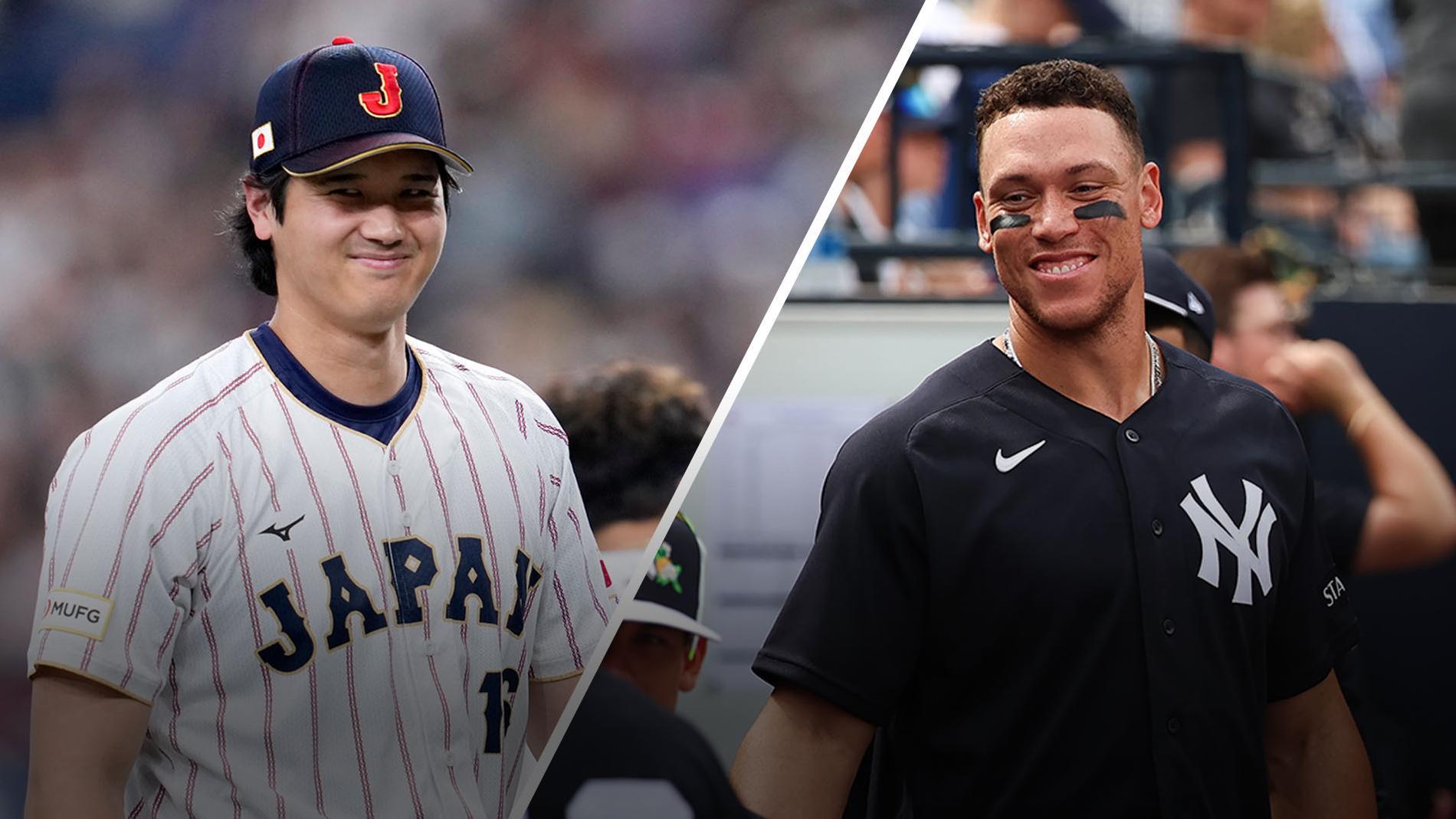
Aaron Judge and Right-Handed Dominance
Aaron Judge of the New York Yankees enters 2026 as one of the most BvP-analyzed hitters in baseball. His career history against left-handed starting pitchers is a consistent research target given his enormous power from the right side.
Judge’s career BvP data against multiple elite left-handed starters shows patterns that analysts regularly exploit in DFS. His home run rate against left-handed pitching in particular is among the highest for any active right-handed hitter.
Any day Judge faces a left-handed starter, his BvP page will be among the most visited on Baseball-Reference and ESPN.
Shohei Ohtani’s Unique Batter Profile
Shohei Ohtani’s batting statistics present a uniquely rich BvP research opportunity. As both an elite hitter and a pitcher himself, Ohtani’s ability to read pitching mechanics at the highest level shows up in his career matchup data against many of the game’s best starters.
His BvP history against right-handed pitchers shows some of the most impressive wOBA and ISO numbers among any active player. On days when Ohtani faces a right-handed starter he has seen multiple times, his BvP page is a required research stop.
The Dodgers’ continued World Series contention in 2026 means Ohtani will be in high-leverage situations throughout the season, amplifying the importance of his individual matchup data.
Paul Skenes as a BvP Research Challenge
Paul Skenes, the 2025 NL Cy Young Award winner, presents the opposite challenge from a BvP perspective. Still only in the early years of his career, Skenes has limited career face-time against most veteran hitters.
When Skenes starts in 2026, analysts must rely more heavily on platoon splits, pitch velocity data, and whiff rates than on deep BvP career history. This is exactly the type of scenario where advanced Statcast metrics outperform raw BvP lookups.
Skenes faced hitters who adjusted to his arsenal in 2025 and will face further adjustments in 2026. Tracking how his BvP data evolves over multiple seasons will be one of the most analytically interesting long-term projects of this decade.
2026 Rivalry Weekend and Marquee BvP Matchups
Rivalry Weekend returns in 2026 with a slate of games from May 15 to 17, featuring regional matchups including Yankees-Mets, Cubs-White Sox, Royals-Cardinals, Rangers-Astros, Orioles-Nationals, and Dodgers-Angels.
These rivalry games are BvP research goldmines because of the American League and National League separation. For most of the season, AL and NL teams do not face each other, so BvP samples between divisional rivals can be thin early in the season.
By Rivalry Weekend in May, enough regular-season data will have accumulated to begin incorporating current-season BvP results. This is also the time of year when sample sizes for new-era matchups start becoming meaningful — around 10 to 15 games into the season.
Frequently Asked Questions
What are batter vs pitcher stats today?
Batter vs pitcher stats today are daily-updated historical records showing how a specific hitter has performed against a specific pitcher across all their career matchups. They include batting average, OBP, SLG, OPS, home runs, strikeouts, and walks.
Where is the best place to find batter vs pitcher stats today?
The best free source is Baseball-Reference’s Versus Finder. For daily fantasy and DFS purposes, RotoWire and RotoBaller both publish organized daily BvP matchup tables updated around each day’s confirmed starting pitchers.
How many plate appearances do I need before BvP stats are meaningful?
Most analysts recommend a minimum of 20 plate appearances before treating BvP data as directionally useful. A sample of 30-plus plate appearances is considered the standard for making actionable fantasy or betting decisions.
Are batter vs pitcher stats more important than platoon splits?
For matchups with thin BvP samples — under 20 PA — platoon splits (left vs right performance data) are more statistically reliable. For matchups with 30-plus plate appearances of recent history, BvP data becomes genuinely informative alongside platoon splits.
What advanced metrics should I use alongside batter vs pitcher stats?
The most useful advanced metrics to pair with BvP data are wOBA, wRC+, ISO, BABIP, exit velocity, barrel rate, FIP, and xFIP. These metrics provide a fuller picture of true skill levels beyond what raw BvP batting averages show.
How do park factors affect batter vs pitcher matchup stats?
Park factors significantly affect how BvP data should be interpreted. High-scoring parks like Coors Field inflate offensive BvP numbers. Pitcher-friendly parks like Oracle Park in San Francisco suppress them. Always account for today’s venue when interpreting BvP history.
Can I use batter vs pitcher stats for MLB betting?
Yes. BvP data is directly applicable to player prop bets like hit props and home run props. It is also useful context for team total and run line betting. Always combine BvP data with current form, weather, and advanced metrics before placing bets.
Why do broadcasters sometimes cite BvP stats that seem misleading?
Broadcasters often cite BvP stats with very small sample sizes — 4-for-9 or 5-for-11 — that are statistically meaningless but make compelling narratives. Always check the sample size behind any BvP statistic cited on television before assigning it real predictive value.
How does the 2026 MLB season affect BvP data availability?
The 2026 season opened on March 25, meaning early-season BvP samples for 2026 are thin through April. By May, enough regular-season data accumulates to supplement career BvP history with current-year performance in the same matchups.
What is the biggest mistake fantasy players make with BvP stats?
The biggest mistake is trusting small BvP samples without checking recency. A hitter’s positive history against a pitcher from five-plus years ago involving different players in different physical conditions has almost no predictive value for today’s game.
Conclusion
Batter vs pitcher stats today remain one of the most powerful and most misused tools in all of fantasy baseball, DFS research, and MLB betting. Used correctly — with proper attention to sample size, recency, park factors, handedness, and advanced metric context — BvP data provides genuine daily edges across multiple competitive formats.
Used carelessly, it leads to bad lineup decisions chasing small samples and outdated history. As the 2026 MLB season gets underway with 162 games per team across 30 franchises, the volume of meaningful BvP matchups will grow every single week.
Master the framework in this guide and you will be ahead of most of the field every day from Opening Night in San Francisco all the way through the World Series in October.