Behind the Screen: The Unseen World of Competitive Gaming
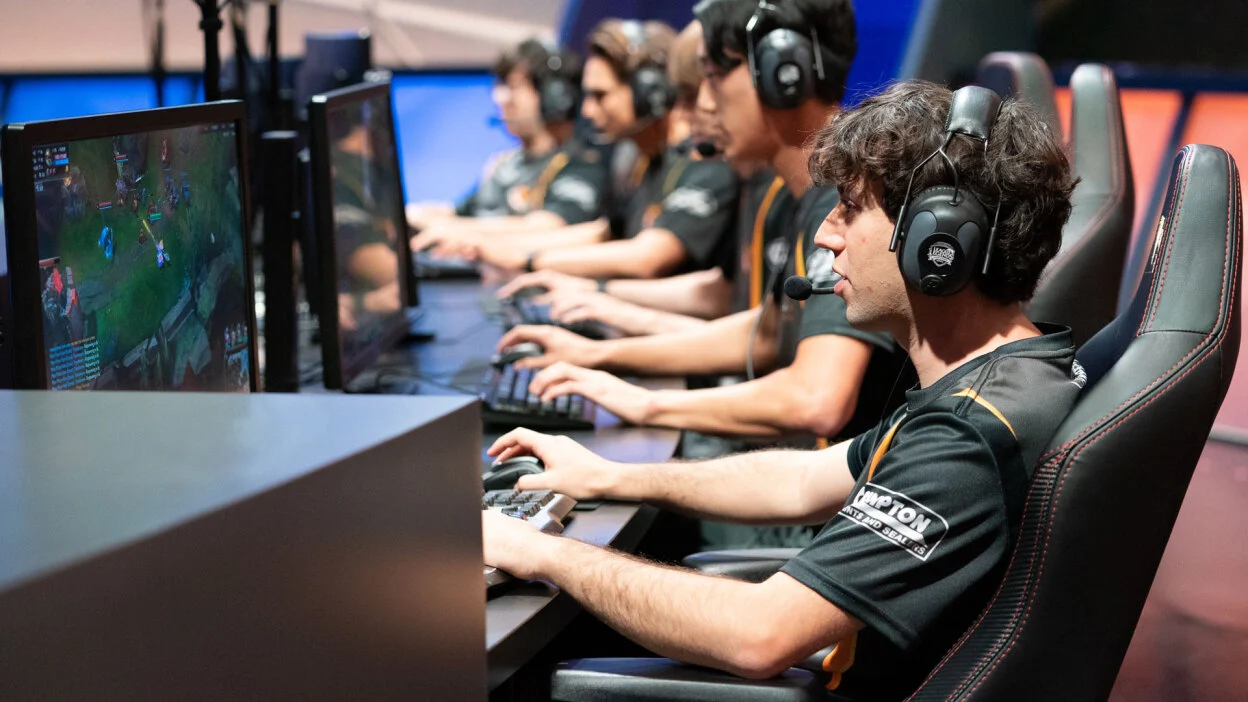
Most people think of esports and picture a couple of teenagers yelling into headsets in a dimly lit room. That’s still the stereotype – teens hunched over glowing keyboards, chugging energy drinks and yelling into headsets. While this is still around, it’s far from the big picture. Competitive gaming is far more than that: it’s a massive, weird, and surprisingly organized world with fan-packed stadiums, live streams pulling in millions, and prize pools that make traditional sports look stingy.
It’s easy to miss how far it’s come unless you’ve been watching the whole time. So here’s a proper look behind the curtain – how it started, what keeps it running, and why there’s so much more going on than just what you see on stream.
From Seoul’s PC Cafés to Sold-Out Arenas
If we’re talking origin stories, South Korea deserves the spotlight. Back in the late ’90s, StarCraft wasn’t just a hit game – it was the game. Teenagers played it in PC bangs (local internet cafés), sometimes until sunrise, fueled by ramen and ambition. The stakes? Glory, bragging rights, maybe a cash prize if you were good enough.
But never underestimate the players’ competitive spirit. From PC bangs, gaming moved to the mainstream, with broadcasters even airing matches on national TV. Players had agents, fan clubs, actual salaries. They were celebrities, basically – long before Twitch made that normal.
The West took its time catching up. Back then, early Quake or Counter-Strike tournaments weren’t much more than glorified LAN parties. A bunch of sweaty PCs, folding chairs, and whoever could drag their CRT monitor the fastest. You showed up for the bragging rights, maybe a new graphics card if you were lucky, and because it was just fun.
Now? We’re talking global tours, franchised leagues, and production value that rivals F1 or UFC. Esports didn’t just arrive – it bulldozed its way into the mainstream.
Games Come and Go, But Some Stick
New titles enter the scene all the time. Some catch on, some fizzle out. But a few have built something close to legacy status:
- Counter-Strike: Whether it’s CS 1.6, GO, or now CS2, this one just won’t quit. It’s still the gold standard for tactical shooters – simple rules, high skill ceiling, and zero fluff.
- League of Legends: is the global showman of competitive gaming. Big arenas, flashy plays, and a fanbase that treats Worlds like the World Cup.
- Dota 2: Brutal learning curve, absurd prize pools. Every year, The International turns unknowns into millionaires.
- Valorant: Riot’s flashy new shooter mixes gunplay with hero abilities. It’s fast, stylish, and pulling big viewership already.
- Rocket League, Fortnite, CoD: All still relevant. Each one has its own scene, style, and loud corner of the internet backing it.
And Counter-Strike? Still standing. CS2 might’ve brought a new engine and cleaner graphics, but the soul’s the same. It’s the one esport where timing a peek feels like splitting atoms.
Streaming Changed the Whole Game
You can’t talk about esports without talking about streaming. Twitch, YouTube, even TikTok – they turned everything into a live show. It’s not just about watching the finals anymore. You can drop in on scrims, catch a post-match rant, or watch someone fail miserably on ladder at 4 AM.
The best part? It’s not all polished and scripted. Half the appeal is the chaos. You get memes, beef, random pop-offs – and somehow, it works. Fans don’t just watch their favorite players. They hang out with them.
And for the pros, it’s a way to stay visible between events, build a following, and yes – make a bit of extra cash on the side.
The Side Hustles (And Hustlers)
Here’s where it gets interesting. Behind the gameplay is an entire economy that’s grown out of pixels and passion. We’re talking about:
- Skins and cosmetics – These aren’t just for showing off. In some games, rare items are worth thousands. Think of them like digital trading cards that flex and fund.
- Betting – A whole scene of CSGO betting sites lets fans wager on match outcomes, often using skins as currency. It’s niche, but legit – at least the reputable ones.
- Sponsorships – Energy drinks, crypto exchanges, gaming chairs… if there’s a brand that wants Gen Z eyeballs, they’re probably backing an esports org.
- Merch & Events – Jerseys, signed mice, meet-and-greets – it’s a merch machine. Fans want to rep their favorite teams just like they would for Real Madrid or the Lakers.
These side markets might sound small, but they’re anything but. Skin trading alone has moved billions over the years. Betting platforms, while more regulated now than in the Wild West days of 2015, still draw serious traffic. It’s not just play – it’s play with stakes.
So… How Big Is This Thing?
Let’s talk numbers. Because yes, it’s easy to assume this is all niche internet stuff. But the data tells another story:
- Over 640 million people will watch esports in 2025, with hardcore fans making up nearly half.
- The industry is expected to hit $2.9 billion in global revenue this year. Some projections have it crossing $8 billion by the early 2030s.
- Asia-Pacific leads in sheer size, but North America and Europe are pouring in the money – from media rights to franchised leagues to tech partnerships.
And it’s not slowing down. In fact, with AI analytics, VR experiments, and growing internet access in underrepresented regions, the next five years might change the landscape again.
The Big Picture
It used to be easy to write off competitive gaming as a niche. That’s not the case anymore. Now it’s got everything: celebrities, sponsorships, drama, even its own scandals. And underneath the glitz, there’s a whole economy most people never see.
There’s merch, sure. But also limited-edition drops, custom sneakers with team logos, and a whole economy built around digital skins. Then there are the side hustles, like CSGO betting sites, where fans throw down bets using real money or rare items, all tied to who wins the next round.
It’s a little chaotic, kind of brilliant, and somehow it all works.
So the next time someone pulls off a ridiculous 1v3 in overtime, remember – you’re not just watching a game. You’re looking at the surface of something way bigger. Competitive gaming didn’t just evolve. It grew teeth, got organized, and started pulling in billions. And the wildest part? It’s still just getting started.