Choosing the Perfect Kitchen Sink: A Guide to Style and Functionality
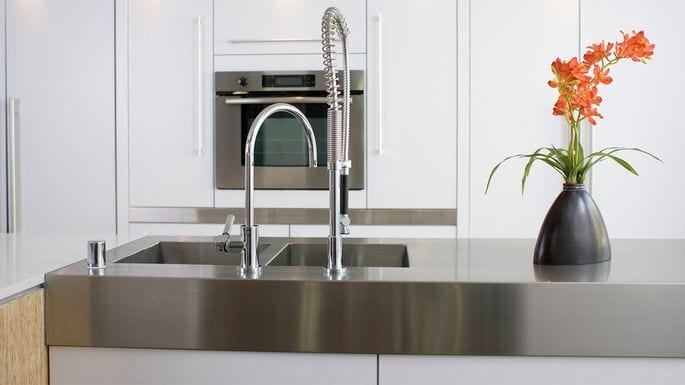
When embarking on a kitchen renovation or simply looking to upgrade an existing feature, one of the key components to consider is the kitchen sink. The kitchen sink is more than just a functional fixture in your home; it is a central element that can influence the design and efficiency of your cooking space.
When selecting the ideal kitchen sink, it’s essential to consider not only the style and functionality but also how it integrates with your overall kitchen design. Consulting a professional can make a significant difference in achieving a cohesive look. A skilled kitchen remodeling contractor can provide valuable insights and ensure that your sink choice complements your countertops, cabinetry, and overall kitchen layout. This collaboration can help you avoid common pitfalls and ensure that your kitchen is both beautiful and practical, enhancing the heart of your home with a seamless blend of aesthetics and utility.
Understanding Your Needs
The first step in selecting the perfect kitchen sink is to assess your personal and household needs. Consider how you use your kitchen daily. Are you an avid cook who often finds yourself washing large pots and pans, or do you mainly rely on a dishwasher? This will influence the size and type of sink you might need.
Some households may require more than one kitchen sink to handle different tasks efficiently. For instance, a dual-basin sink can be extremely practical for those who multitask or require a sanitation station separate from food preparation areas.
Material Matters
Kitchen sinks come in a variety of materials, each offering distinct advantages and aesthetic appeals. The most common materials include stainless steel, granite composites, fireclay, and cast iron. Stainless steel is known for its durability and ease of maintenance, making it a popular choice among homeowners.
Granite composite sinks provide a stone-like appearance and are resistant to scratches and stains, making them ideal for heavy-duty usage. Fireclay sinks offer a classic look with superior resistance to heat and chipping, whereas cast iron sinks bring a traditional elegance that matches well with vintage kitchen designs.
Size and Configuration
Selecting the right size and configuration for your kitchen sink is crucial. The sink should be proportional to the kitchen’s overall size and the counter space available. A larger sink could overpower a compact kitchen, whereas a smaller sink may not be practical for a large family home.
Configurations vary from single to double or triple basins, and choosing the right one depends on your space and functional requirements. Single-basin sinks are excellent for handling large items, while double or triple basins can facilitate multitasking in bustling kitchens.
Style and Design
Sinks come in diverse styles to suit different kitchen aesthetics. Top-mount or drop-in sinks are easy to install and fit with any counter type but show the sink edges. On the other hand, under-mount sinks provide a seamless look that enhances modern and minimalist kitchen designs by installing below the counter surface, hiding the edges.
Farmhouse or apron-front sinks are renowned for their broad, deep basins and classic charm, suitable for both traditional and modern farmhouse kitchens. Each style adds a unique character to the kitchen while reflecting the homeowner’s taste.
Functionality Features
Modern kitchen sinks offer various features that enhance their usability and convenience. Consider accessories like integrated cutting boards, colanders, and drying racks that can be added as part of the sink’s design. These features streamline kitchen operations and save on counter space.
Additionally, consider the placement and style of faucets as they complement the sink’s functionality. High-arc faucets provide extra clearance for tall pots, while pull-out sprayer faucets offer flexibility in cleaning tasks.
Installation Considerations
The method of installation can significantly impact the practicality and aesthetics of the kitchen sink. Top-mount sinks are simpler to switch out, making them suitable for quick replacements. Under-mount sinks, while offering a seamless look, require more precise installation and often professional assistance.
It is also essential to consider the support needed for heavier sink materials like cast iron, which may necessitate reinforced cabinetry.
Environmental and Budget Factors
Eco-friendliness and budgeting are increasingly influencing consumer choices in kitchen sink selection. Opting for sinks made from recycled materials or choosing water-efficient models can be part of a sustainable kitchen design strategy.
Budget is always a key factor. Kitchen sinks range from economical stainless steel options to more luxurious natural stone composites. It is advisable to balance cost with the expected lifespan and functionality of the sink to ensure that it serves its intended purpose without compromising quality.
Conclusion
Choosing the perfect kitchen sink involves a blend of style, functionality, and personal preference. By carefully considering your kitchen’s requirements, aesthetic style, and practical needs, you can select a sink that not only enhances your culinary space but also stands up to the rigours of daily use.
With this comprehensive guide, you are now better equipped to make an informed decision, ensuring that your new kitchen sink will be a lasting and functional centrepiece in your home.