Choosing the Perfect Motorcycle Helmet for Ultimate Safety and Style
The importance of selecting a reliable motorcycle helmet cannot be overstated. Helmets are essential for safeguarding riders against potential head injuries, and they also contribute significantly to the overall riding experience. With the variety of options available, riders need to be informed about how to choose the best helmet to suit their needs.
Understanding Helmet Safety Standards
When it comes to safety, motorcycle helmets must adhere to specific standards. Understanding these standards is crucial before making a purchase. Helmets that meet the Australian Standard AS/NZS 1698 are deemed legally acceptable. This standard ensures the helmet provides adequate protection in the event of a collision.
Additionally, some helmets may also meet European standards like ECE 22.05, providing riders with additional insurance of safety across different regions. Checking these certifications is the first step in ensuring a helmet’s credibility.
Types of Motorcycle Helmets
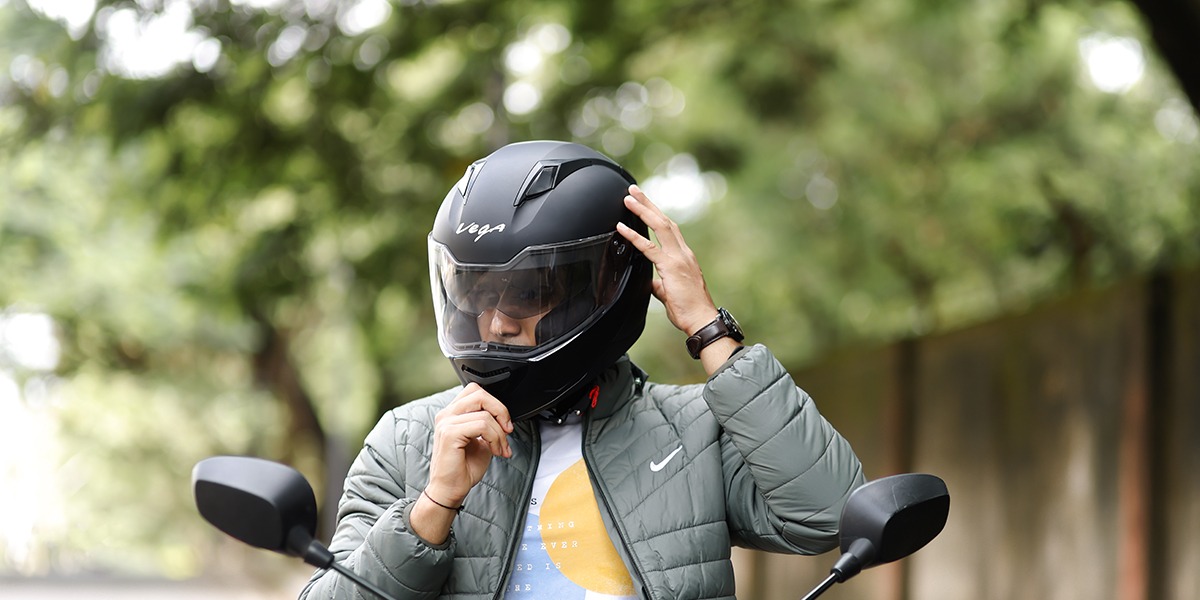
There are several types of motorcycle helmets available, each offering different levels of protection and comfort. Full-face helmets provide the most comprehensive coverage, protecting the entire head and face. They are ideal for high-speed rides and long-distance travelling.
Open-face helmets, conversely, cover only the top and sides of the head, leaving the face exposed. While they offer more ventilation, they do not provide the same level of protection as full-face helmets. For those looking for a middle ground, modular or “flip-up” helmets offer versatility, allowing the rider to switch between full-face and open-face configurations.
Helmet Fit and Comfort
Equally important as safety is the fit and comfort of a motorcycle helmet. A helmet should fit snugly without feeling too tight. The best way to determine the correct size is by measuring the circumference of the head and consulting a sizing chart specific to the helmet brand.
Comfort features such as interior lining, padding, and ventilation should be considered. Helmets with removable and washable liners are particularly advantageous for those who ride frequently. Adequate airflow through built-in ventilation ports can significantly enhance riding comfort, especially in warmer climates.
The Role of Helmet Design in Rider Visibility
Helmet design is not merely an aesthetic concern; it plays a critical role in rider visibility and safety. Bright colours and reflective materials can make a rider more visible to other road users, particularly in low-light conditions. Some modern helmets incorporate LED lights or reflective strips, further enhancing visibility.
Choosing Helmets for Different Riding Styles
Riders should also consider their riding style when choosing a helmet. Those engaged in sport biking will benefit from helmets designed for aerodynamics and speed, while touring riders might prioritise comfort and noise reduction features.
Off-road riders require helmets that provide ample protection against environmental elements and impacts. These helmets usually come with extended chin bars and superior ventilation to cater to rigorous physical activity.
Balancing Style and Practicality
While safety and comfort are paramount, many riders also seek helmets that complement their personal style. Manufacturers offer a wide range of design and colour options to match individual tastes. However, it’s crucial not to compromise on essential features for the sake of style.
Customising helmets with stickers or paint can be an option, but riders need to ensure these modifications do not interfere with the helmet’s integrity or block any safety features.
Evaluating Helmet Technology and Innovations
Technology advancements have introduced a variety of smart helmets equipped with GPS, Bluetooth connectivity, and noise-cancelling features. These innovations can provide riders with an enhanced riding experience. Assessing these technologies carefully and considering their impact on safety can be beneficial.
Regularly Assessing Helmet Condition and Lifespan
Helmets are not designed to last indefinitely. Over time, wear and tear compromise their effectiveness. Riders should regularly check for any visible damage such as cracks or worn interior padding. Even without obvious damage, helmets generally need replacing every five years to ensure optimal safety.
Conclusion: Investing in Helmet Quality
Ultimately, choosing the right motorcycle helmet is an investment in one’s safety and riding enjoyment. Riders should ensure they purchase from reputable sources that provide comprehensive information on available options and adhere to safety standards. By prioritising quality, fit, safety features, and style, riders can find the helmet that best meets their needs and enhances their motorcycle journey.