Choosing the Perfect Tap Shoes for Dance Performance
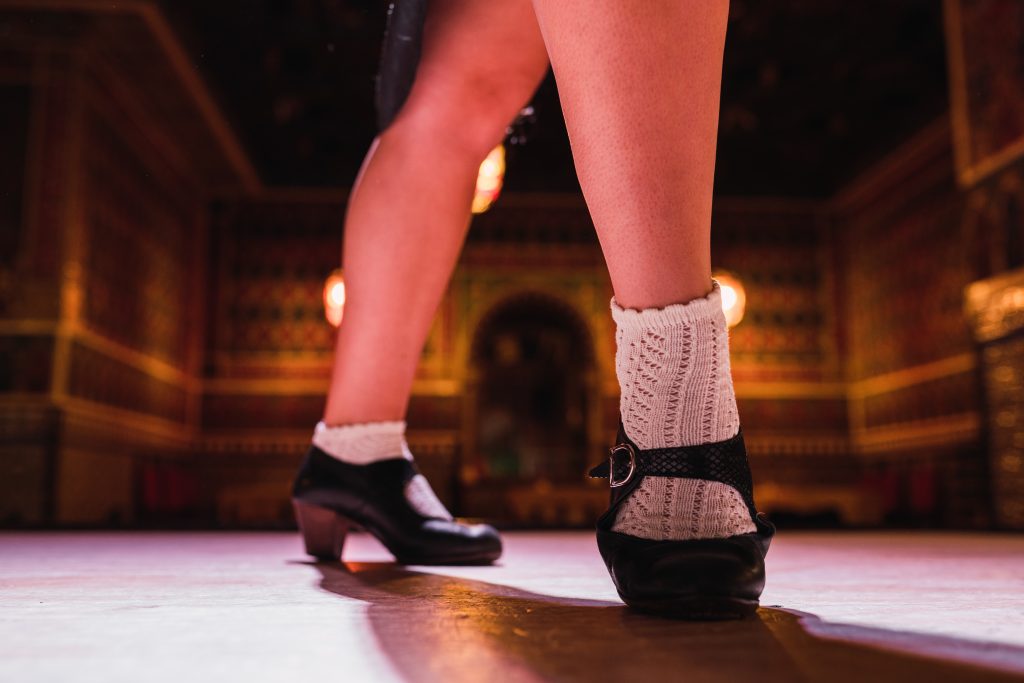
Tap dancing is a rhythmic and expressive art form that requires not only skill and practice but also the right equipment. Among the essential items for any tap dancer are tap shoes, which play a crucial role in producing the distinctive sound and ensuring comfort throughout performances. Selecting the perfect tap shoes demands understanding various factors such as fit, material, style, and price. This article provides a comprehensive guide to help dancers, whether beginners or professionals, make an informed decision when purchasing tap shoes.
Understanding the Importance of Tap Shoes
Tap shoes are specially designed footwear that includes metal plates on the toe and heel, enabling dancers to create audible tapping sounds when they strike the floor. These sounds are integral to the performance and require shoes that can deliver clear and precise audio while maintaining comfort. Cheap or ill-fitting tap shoes can hinder a performance, cause discomfort, or even lead to injuries. Therefore, investing time and effort in selecting the right pair is vital.
Types of Tap Shoes
There are various types of tap shoes tailored to different skill levels and styles. The most common categories include:
- Beginner Tap Shoes: Typically more affordable and designed for comfort, these shoes often feature synthetic materials and offer basic metal plates for tapping.
- Intermediate Tap Shoes: These provide better support and sound quality, often combining synthetic and genuine leather materials.
- Professional Tap Shoes: Made of high-quality leather, these shoes deliver superior sound, durability, and comfort for advanced performers.
Considering the Style of Tap Shoe
Tap shoes are available in various styles, including oxford, Mary Jane, and boot styles. The choice of style depends on personal preference, the requirements of the dance routine, and the level of ankle support needed. Oxford-style tap shoes are popular for their classic look and flexibility. Mary Jane styles feature a strap across the foot, offering additional security. Boot-style tap shoes provide greater ankle support, which can benefit dancers performing complex routines.
Fit and Comfort
One of the most critical aspects of choosing tap shoes is ensuring an appropriate fit. Ill-fitting footwear can cause blisters, discomfort, and impede movement—thus adversely affecting performance. Dancers should focus on:
- Trying shoes on at the end of the day when feet are fully expanded
- Wearing the same type of socks or tights intended for performances
- Ensuring sufficient room in the toe box without excessive looseness
- Checking for secure heel fit to avoid slipping
- Assessing overall comfort during walking and tapping
Material and Durability
The material of tap shoes significantly influences their durability and sound quality. Genuine leather shoes tend to last longer and mould to the foot over time, providing better comfort. However, they often come with a higher price tag. Synthetic materials offer affordable alternatives but may wear out more quickly. Considering the frequency of use and budget helps determine which material is more suitable.
Weight and Flexibility
Tap shoes should not be overly heavy as this can cause fatigue during performances. Lightweight shoes allow for greater agility and speed, essential for executing intricate dance moves. Flexibility is equally important to enable natural foot movements. Dancers are encouraged to assess these factors by experimenting with different pairs to find the optimal balance for their needs.
Sound Quality and Tap Plate Type
The defining feature of tap shoes is the sound produced by the metal plates attached to the toe and heel. These plates vary in size, shape, and thickness, all of which influence sound quality. Some dancers prefer a brighter, sharper tap sound, while others opt for a deeper tone depending on their style and preferences. High-quality tap shoes often feature removable or adjustable plates, allowing for customization.
Breaking-In New Tap Shoes
New tap shoes typically require a break-in period to soften the leather and improve comfort. Dancers should gradually use their shoes in practice sessions before performing to avoid discomfort or injury. Techniques such as flexing the shoes, wearing them indoors, and softly tapping can help expedite the breaking-in process.
Price Considerations
The price range for tap shoes can vary widely. While budget options exist for beginners or casual dancers, serious performers usually invest in higher quality shoes for longevity and sound precision. It is advisable to view tap shoes as an investment in a dancer’s craft, balancing cost against durability and performance requirements.
Where to Buy the Right Tap Shoes
Purchasing tap shoes from reputable retailers ensures access to quality products and expert advice. Online stores offer a wide variety of selections, detailed sizing guides, and customer reviews to facilitate informed choices. One notable collection of quality tap shoes caters to women’s dance needs, blending functionality with style.
Additional Factors to Consider
Other elements influencing tap shoe choice include the type of dance surface, personal foot shape, and any existing foot conditions. For example, dancing on sprung floors may affect shoe selection differently than hardwood surfaces. When necessary, consulting with instructors or podiatrists can provide personalised recommendations to enhance performance and comfort.
Maintenance and Care of Tap Shoes
Proper maintenance extends the lifespan of tap shoes and preserves sound quality. Regular cleaning, tightening of loose screws on tap plates, and storing shoes in ventilated areas prevent damage. Using shoe trees can help maintain shape, while avoiding excessive moisture protects the leather material.
Summary
Choosing the perfect tap shoes is a multifaceted process involving consideration of fit, style, material, sound, and budget. Understanding these factors empowers dancers to select shoes that not only enhance their performance but also protect their feet. Whether starting as a beginner or advancing professionally, investing in the right tap shoes contributes significantly to rhythmic precision, comfort, and overall dance experience.