Commercial vs. Residential Construction: What’s the Difference?
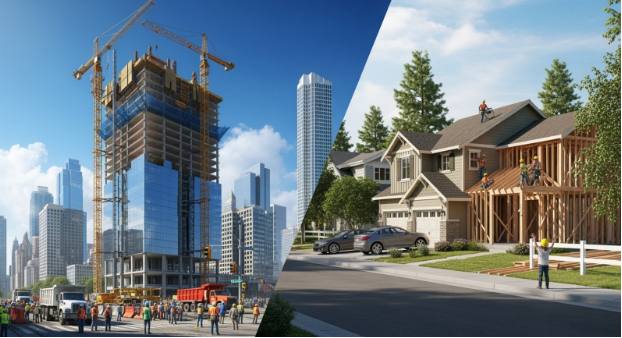
Construction is a broad field that generally falls into two main categories: commercial and residential. The main difference between them is their intended use. Residential construction is about building homes where people can live, while commercial construction creates spaces for businesses, public organizations, or projects meant to make money.
Knowing how these two types of construction differ affects everything from how something is designed and built, to what materials are used, how codes are followed, and how long it takes to finish the project. If you’re thinking about building in New York, Nova Construction Services New York has experience working on many different project types.
Both commercial and residential projects involve taking plans and making them real buildings, but their goals and needs are different, leading builders to use different approaches. This article explains these differences and why they matter in the building industry.
What Is Commercial Construction?
Commercial construction is about creating or renovating buildings used for business, industry, or public services. This goes far beyond stores, including office buildings, hospitals, factories, and more. The main focus in commercial building is on functionality, strength, and making sure the building can handle lots of people or special equipment.
Usually, commercial construction happens because a business or organization needs something built for work or investment. Decisions about design, materials, and how the building is put together are made with efficiency and long-lasting performance in mind for businesses or organizations that will use the space.
In both commercial and residential construction, the choice of materials plays a crucial role in determining the project’s success. While commercial projects often require more durable and high-performance materials to withstand heavy usage, residential projects focus on aesthetics and comfort. For those looking to enhance the durability and appearance of their residential spaces, especially garages, innovative solutions are available. To explore options that combine functionality with style, click for details on advanced concrete coatings that can transform your garage floor into a resilient and visually appealing surface. This approach not only extends the lifespan of the flooring but also adds a touch of sophistication to your home environment.
What Is Residential Construction?
On the other hand, residential construction is focused on building places for people to live. This could mean houses, apartments, townhouses, or other types of living spaces. Residential buildings are meant to be comfortable, safe, and suitable for day-to-day life.
While some might be bought to rent out, housing is mainly about giving people a home.
Residential projects often involve more personal choices, as homeowners want spaces that fit their tastes and needs. Residential construction is usually smaller in scale, with an emphasis on making the space welcoming and useful to live in.
Why Is the Difference Important?
These differences in purpose affect every part of a construction project. From the early planning and design stages, through picking materials, following codes, using different equipment, and planning finances, commercial and residential construction each have specific requirements.
Not understanding these differences can lead to problems such as delays, legal trouble, or buildings that aren’t right for their use. Builders need to know these details to offer the right skills and deliver what their clients want.
Types of Construction Projects
Although “commercial” and “residential” are general terms, each covers many different project types. Understanding what fits into each category helps with better planning and completing projects the right way.
Types of Residential Buildings
Residential construction includes:
- Single-family homes: Stand-alone houses with private yards.
- Duplexes, triplexes, fourplexes: Buildings with two, three, or four connected units, sharing walls.
- Townhouses: Multi-story, attached homes with shared walls.
- Condominiums (condos): Owners have a single unit in a larger building, sharing common spaces.
- Co-ops: Residents own shares in the building and have rights to their own unit.
- Mobile home communities and dormitories.
- Apartment buildings (small-scale): Used as homes, though bigger complexes are often treated as commercial due to their business use.
Types of Commercial Structures
Commercial construction covers:
- Office buildings
- Retail stores and shopping malls
- Factories and warehouses
- Hospitals and clinics
- Restaurants, hotels, and motels
- Movie theaters and parking garages
- Schools, colleges, and universities
- Houses of worship
- Large residential complexes (apartment complexes run as businesses)
These projects often need special features depending on their purpose.
Main Differences between Commercial and Residential Construction
The two types of construction are not just different in name. They also vary in location, materials, equipment, project size, and even how much customization is possible. The table below summarizes some of the main differences:
|
Feature |
Commercial |
Residential |
|
Location |
Commercial zones, large sites |
Residential areas |
|
Project Size |
Large, complex projects |
Smaller scale |
|
Building Materials |
Mainly steel, concrete, large glass panels |
Mainly wood, basic concrete, less steel |
|
Equipment |
Heavy-duty, specialized machines |
Basic construction tools |
|
Design Flexibility |
Less flexible, changes are hard once building starts |
More room for changes and personalization |
|
Building Codes |
Stricter, more complicated |
Usually simpler |
Project Location and Site Selection
Commercial projects usually need larger land in business or industrial areas. Getting a commercial site often means going through long environmental checks. Residential building happens in neighborhoods, and builders must pay attention to neighbors and local rules, so work hours are shorter and noise is watched closely.
Building Purpose and Who Uses It
Commercial buildings are designed so many people can use them at the same time and hold special equipment. Residential buildings are mainly for small groups or families to have a comfortable, private home.
Types of Materials
Residential construction mainly uses wood and basic concrete because houses are smaller and simpler. Commercial projects use steel, strong concrete, and large glass, which allow for bigger, taller, and longer-lasting buildings. Some construction materials are used differently, too-for example, large glass walls in offices versus small windows in homes.

Equipment and Tools
Commercial building uses big machines like cranes and earth-movers, handled by trained operators. Houses need smaller, simpler tools, with some tasks even handled by homeowners who do-it-yourself, something that doesn’t happen in large commercial projects.
Project Scope and Size
Commercial projects are usually bigger and more complicated, so they need more planning and take much longer to finish. Residential building covers smaller homes or groups of homes, which have less complicated timelines and organization.
Customization and Design Flexibility
Residential builds let owners customize or change plans more easily. Commercial building usually sticks closely to a fixed plan because of cost and business needs. It’s harder to make changes once work is underway.
Costs, Funding, and Financial Differences
Money is a big factor when comparing commercial and residential construction.
Average Project Costs
- Residential: Building a single-family home in the US costs around $329,000 (not including land), or about $150 per square foot (may vary by region).
- Commercial: Costs can be $240 to $870 (or more) per square foot, depending on the type of building and its needs.
Commercial builds are much more expensive overall due to things like special materials, heavy equipment, intense rules, and business-related features.
Common Funding Sources
- Residential: Often financed with loans from banks, homeowner’s cash, or insurance payments (after disasters).
- Commercial: Paid for by corporations, government agencies, or large private investors; may include complex funding and multiple loans.
What Affects Project Budgets?
For commercial projects, costs are affected by the cost of the land, tough codes, the need for special materials, high labor costs, and the push to finish projects quickly to start making money. Residential projects also need a budget, but the risks and overrun amounts are usually smaller, and running out of money may just mean pausing the work instead of big financial problems.
Timelines and Schedules
Average Construction Timelines
- Residential houses: About 7-12 months.
- Commercial projects: Usually much longer-can be a year or several years, especially for big or complicated buildings.
What Affects How Long a Project Takes?
- Commercial projects run on tight schedules because businesses want to start working and making money as soon as possible. Delays can cost a lot.
- Residential builds can run slower. Owners often make new decisions as they go, and there may be fewer workers on the job at once.
Permits, Codes, and Regulations
Commercial Construction Code Needs
Commercial buildings have to meet strict rules for safety, materials, design, electrical work, plumbing, fire safety, accessibility (like making sure they are usable by people with disabilities), and more. Builders need special permits and must follow many different rules from federal and local authorities. Breaking the rules can mean legal trouble and big fines. Also investing in a professional SWPPP Texas strategy allows developers to easily manage stormwater runoff and stay fully compliant with environmental mandates while avoiding construction delays.
Permit Needs for Residential Builds
Homes still need permits and must follow codes on structure, plumbing, electricity, insulation, and heating/cooling. These permits are usually faster and easier to get than commercial ones, and sometimes a homeowner can apply themselves.
Licenses and Insurance
Commercial contractors often need extra licenses and training to handle complicated jobs. Their insurance must cover more risks and is usually more expensive. Residential builders still need insurance, but it is often simpler and less costly.

Workforce and Project Management
Skills for Commercial Projects
Commercial construction uses a large, skilled workforce. Workers and managers need experience with big machines, tough safety rules, and sometimes very specific building systems. Managers must be able to run big teams, hit tight deadlines, and keep projects within budget.
Skills for Residential Builds
Building homes mostly takes carpenters, plumbers, electricians, and masons. These teams may be smaller and often work closely with homeowners to get the look and features that suit them. Only very expensive homes might need advanced equipment or rare skills.
Management Styles
Commercial project management is formal, with detailed schedules, careful planning, and rules for keeping everything on time and on budget. Residential management is often more flexible, with direct homeowner input, quick decisions, and a more personal approach.
Typical Challenges and Risks
Problems in Commercial Construction
- Managing many materials and subcontractors
- More rules to follow and bigger penalties if broken
- Bigger risk of theft or vandalism on large sites
- Delays can be very costly
- Difficulties with getting high-quality locations or completing strict environmental checks
Problems in Residential Construction
- Handling homeowner requests for changes can slow things down
- Noise and work restrictions near neighbors
- Funding shortages can pause projects
- Quality issues affect satisfaction and move-in dates
Environmental and Zoning Rules
- Commercial projects often have to meet tougher rules and environmental checks, especially because their footprint is bigger.
- Zoning rules may tightly limit what and where you can build, with stricter rules for commercial buildings (height, usage, parking, etc.).
- Residential zoning focuses on allowed building types, density, and environmental issues like water runoff.
Frequently Asked Questions (FAQ)
Are apartment buildings residential or commercial?
This can be confusing. Apartment buildings provide housing, but large complexes are often classed as commercial because they’re owned for rental income by businesses. These buildings must follow commercial construction rules and usually involve commercial financing.
Can a property be both commercial and residential?
Yes! These are called mixed-use developments. For example, a single building might have shops on the ground floor and apartments above. These are more common in city areas but require checking local zoning laws, which can be complicated and vary by area.
Which type is cheaper to build?
Building a house is almost always cheaper per square foot than a commercial building. Commercial jobs need costly materials, special equipment, strict code compliance, and sometimes more labor. Even though commercial builds are more expensive at the start, they can make more money for investors in the long run.
How do environmental rules compare?
Environmental rules are generally much tougher for commercial buildings because they’re bigger and can have more impact on the land, air, and water. Commercial projects require longer, stricter checks and more permits. Residential construction is checked too, but the process is usually more straightforward because the projects are smaller.