Common Causes of Bicycle Accidents and How to Protect Yourself
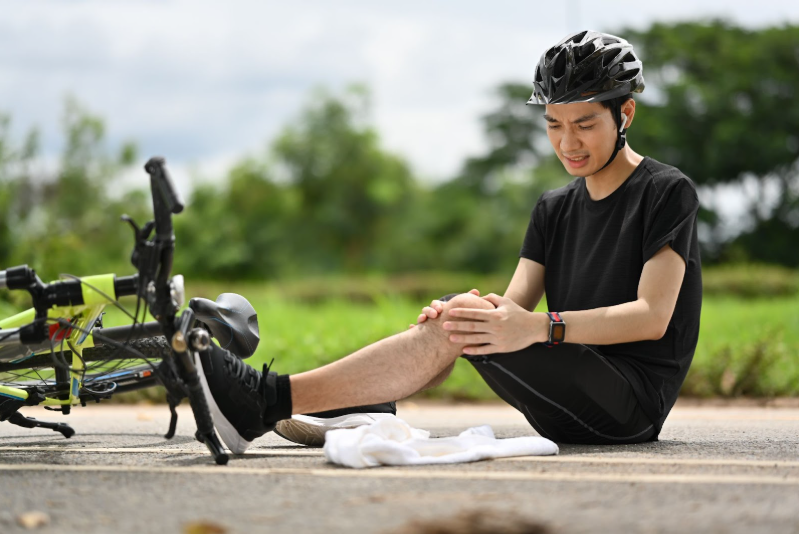
Riding a bicycle can feel like freedom, but the reality is that every street and intersection carries risks that are easy to underestimate. Traffic moves quickly, visibility can be limited, and even the most careful cyclists can encounter sudden hazards.
Staying safe is not just about wearing a helmet or following the rules. It’s about recognizing the common dangers and taking steps to prepare for them.
If you want to protect yourself and your rights, understanding what leads to accidents and how to avoid them is essential.
Common Causes of Bicycle Accidents
Bicycle accidents happen for many reasons, and knowing these risks can make a real difference in how safely you ride. Collisions often involve a mix of factors, but some causes appear more frequently than others.
Driver Negligence
One of the main dangers for cyclists comes from drivers who are not paying attention. Distracted driving, texting, speeding, and ignoring the rules of the road can all lead to serious accidents. Drivers may misjudge distances or fail to see a cyclist entirely, creating situations that result in injuries. Having an awareness of these risks and knowing your legal options is critical.
In some cases, seeking legal help after a bike accident injury can ensure your rights are protected, and compensation is pursued if someone else’s actions cause an accident.
Cyclist Error
Accidents are not always caused by others. Cyclists can make mistakes that increase their risk of collision. Failing to signal turns, ignoring traffic signs, or weaving between vehicles can all lead to crashes. Even experienced riders can misjudge timing or react too slowly to sudden hazards. Staying alert, riding predictably, and anticipating the actions of drivers around you can help reduce these risks.
Poor Road Conditions
The condition of the roads plays a major role in safety. Potholes, debris, uneven pavement, and faded lane markings can all cause a cyclist to lose control or swerve into traffic. Being aware of your route and keeping an eye on the road surface can prevent minor hazards from turning into serious accidents.
Weather and Visibility Issues
Weather can create unexpected challenges for cyclists. Rain, fog, glare, and low light can all reduce visibility and increase the chance of collisions. Wet surfaces or slippery leaves require extra caution. Using reflective clothing, lights, and signaling movements clearly can make a big difference in staying visible and safe.
Traffic Patterns and Vehicle Types
Some streets naturally carry more risk for cyclists. Intersections, narrow lanes, and areas with heavy traffic can increase the likelihood of accidents. Large vehicles create blind spots and reduce the time available to react, making it important for cyclists to remain cautious and ride defensively.
How to Protect Yourself on the Road
While some risks cannot be completely eliminated, there are practical steps that cyclists can take to reduce the chances of serious accidents.
Wear Protective Gear
Helmets, gloves, and protective clothing can reduce the severity of injuries in a crash. Bright or reflective clothing helps make you more noticeable to drivers and other road users. Wearing the right gear can significantly affect the outcome if an accident occurs.
Follow Traffic Laws and Signals
Cyclists are required to follow the same rules as drivers. Stopping at lights and signs, using proper hand signals, and staying in the correct lane can prevent collisions and make your movements predictable. Following these basic rules helps you stay safe on everyday rides.
Improve Visibility
Visibility is one of the easiest ways to prevent accidents. Lights on the front and back of your bicycle, reflectors, and bright clothing make you stand out. Clear signaling of turns and eye contact with drivers when possible can also reduce the chance of collisions.
Stay Alert and Avoid Distractions
Cyclists must stay aware of their surroundings at all times. Using a phone, listening to loud music, or riding too close to vehicles can limit reaction time. Being focused and scanning the road ahead allows you to anticipate potential hazards before they become serious problems.
Plan Your Route and Ride Defensively
Choosing streets with lighter traffic or designated bike lanes reduces exposure to danger. Riding defensively means expecting the unexpected and keeping a safe distance from vehicles, pedestrians, and other cyclists. Awareness, preparation, and cautious decisions give you better control over your safety on the road.
Wrap Up!
Understanding what causes accidents is only one part of staying safe. Legal guidance can help navigate insurance claims and make sure compensation is pursued if an accident happens because of someone else’s negligence.
Combining knowledge of common causes with safety habits and awareness of your rights provides a stronger foundation for both riding confidently and protecting yourself in case of an accident. Seeking legal help after a bike accident injury ensures your recovery and that any claims are handled properly while you focus on getting back on your bicycle safely.
Being proactive, wearing the right gear, following traffic rules, and riding defensively create the best chance of avoiding accidents. Staying alert and prepared allows cyclists to enjoy the freedom of riding while keeping themselves protected on every trip.