Common Causes of Facial Fatigue and How to Refresh Your Look
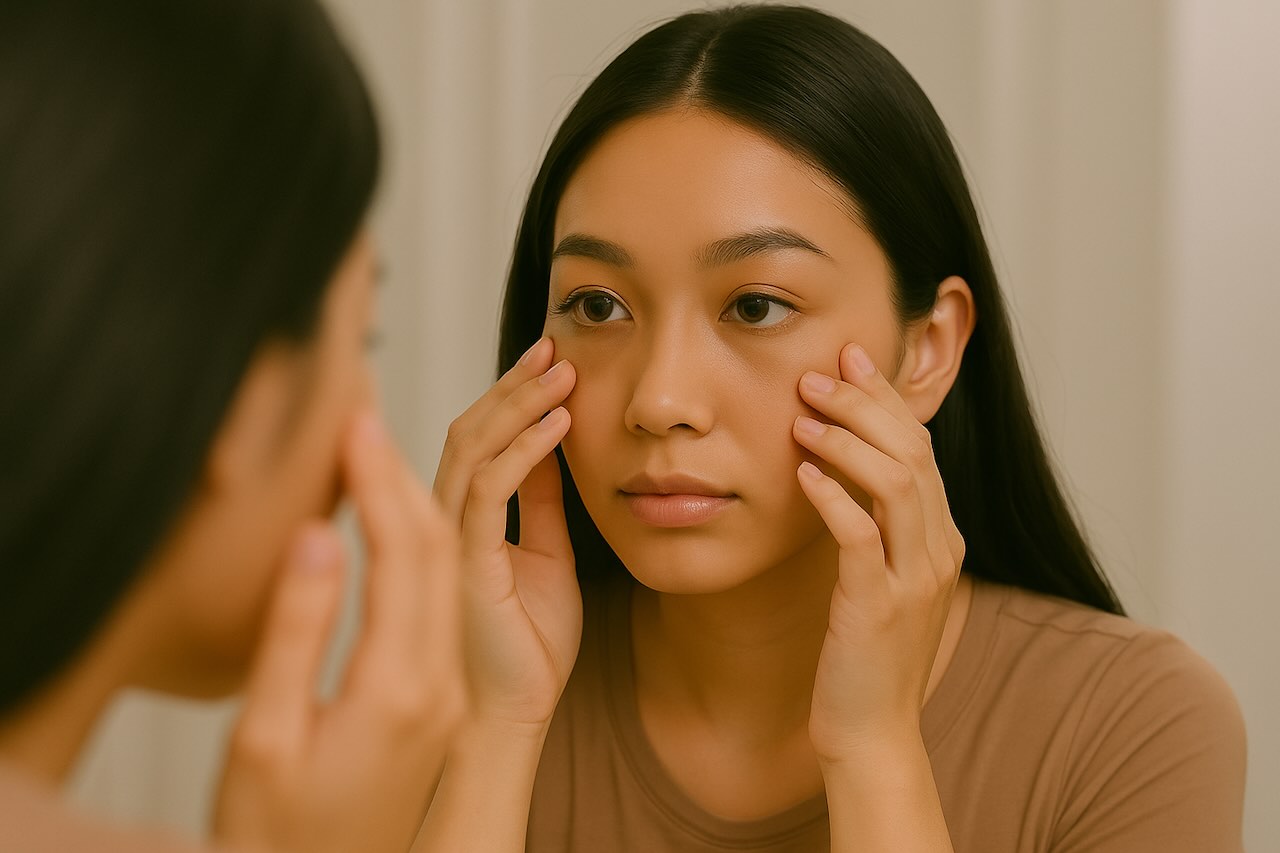
Do you wake up with a tired face, even after a full night of sleep? Aging, fluid build-up, and stress often cause puffiness, dark circles, and dull skin. This post will explain the common causes, and share easy steps and treatments to refresh your look.
Keep reading.
Common Causes of Facial Fatigue
Fatigue on your face can show up as dullness, puffiness, or even fine lines. Some causes hide in plain sight—poor sleep, stress, and how you care for your skin all play a part.
Aging and Volume Loss
Small volume changes can change the whole face.
Aging causes steady loss of facial fat and bone support. Skin loses collagen and elasticity, so it sags. This volume loss adds to a tired face, appearance and dullness. Poor circulation and low hydration can make fine lines and puffiness more visible.
Doctors use fillers and fat grafting to restore lost volume and lift the face. Simple skin care steps, like hyaluronic products and sunscreen, improve skin hydration and texture. Good sleep, circulation, and water intake help maintain facial rejuvenation and a fresher look.
Eyelid Puffiness and Dark Circles
Eyelid puffiness and dark circles can make you look tired. These signs often come from lack of sleep, stress, or aging. As we age, our skin loses volume. This change makes the area around the eyes sag.
Fluid build-up can also cause puffiness, linking it to poor circulation or dehydration.
Dark circles happen due to thinner skin under the eyes. Blood vessels below the surface become more visible with age and loss of hydration. Lifestyle choices play a role too; habits like late nights or high salt intake can worsen the problem.
Good hydration and skincare are key steps in refreshing your look again, especially for that delicate eye area. Now let’s discuss some home remedies for rejuvenating your appearance.
Brow and Forehead Strain
Moving on from puffiness and dark circles, brow and forehead strain can add to a tired look. This strain often comes from frowning or squinting too much. It happens when we focus hard while working or staring at screens.
Over time, this can lead to fine lines on the forehead.
Stress plays a big role here too. People who are stressed might furrow their brows often without even knowing it. This constant tension can drain your face of its natural glow. Keeping your brow relaxed is key for a refreshed appearance; small changes in habits can make a big difference!
Sleep Deprivation and Stress
Sleep loss causes tired skin. It leads to dark circles and puffiness. Stress makes matters worse. Both can dull your appearance. When you don’t sleep enough, your body slows down healing and circulation too.
Stress often shows on your face with fine lines or a weary look. People tend to neglect hydration during busy times, which adds to the problem. Taking care of yourself is key for a refreshed look.
Focus on rest and managing stress for better skin health.
Lifestyle Choices and Dehydration
Stress affects our skin in many ways. Poor lifestyle choices can make this worse. Skipping water, for example, leads to dehydration. Dehydration makes your skin look dull and tired.
It also causes puffiness around the eyes.
Eating junk food or not getting enough sleep can worsen facial fatigue too. These habits slow down blood circulation in the face. This means less oxygen and nutrients reach your skin cells.
As a result, you may notice fine lines and volume loss over time. A healthy diet and hydration are key for brightening your look!
How to Refresh Your Look
Your appearance can change with simple steps. You can use home remedies or try non-surgical treatments to bring back your glow and energy.
Home Remedies: Hydration and Skincare Routines
Hydration is key for fresh skin. A good skincare routine helps, too.
- Drink plenty of water each day. Aim for at least eight glasses. This keeps your skin hydrated and helps reduce dullness and puffiness.
- Use a gentle cleanser daily. It removes dirt and oil from your face without drying it out. Clean skin looks brighter and feels fresh.
- Apply moisturizer after cleansing. Choose one that suits your skin type, whether it’s oily or dry. Moisturizers lock in hydration and can fight fine lines.
- Include Vitamin C in your skincare routine. Serums with Vitamin C brighten the skin and improve circulation. This can refresh tired-looking faces.
- Exfoliate regularly, but not too often! Use a mild scrub once or twice a week to remove dead skin cells. This reveals newer, glowing skin underneath.
- Try adding a hydrating mask to your routine once a week; masks help boost moisture levels in the skin quickly.
- Use sunscreen every day, even when it’s cloudy outside; sun protection prevents aging and protects your hydrated look.
- Incorporate facial massage into your routine; this can improve circulation and reduce puffiness around the eyes.
A good mix of hydration and proper skincare will make you glow! Now let’s explore non-surgical options to refresh your look further.
Non-Surgical Options: Botox, Fillers, and Chemical Peels
Non-surgical options can refresh your face fast.
| Option | What It Does | How Long It Lasts | Downtime | Typical Cost (US) | Common Risks |
|---|---|---|---|---|---|
| Botox | Botox relaxes muscles that cause lines. It smooths forehead and frown areas. | Results last about 3 to 4 months. | Most people return to work the same day. | $300 to $700 per area. | Bruising, mild droop, temporary weakness. |
| Fillers | Fillers restore lost volume in cheeks, lips, and under eyes. | Longevity varies by product, from 6 months to 2 years. | Mild swelling and redness can last a few days. | $600 to $2,000 per syringe. | Asymmetry, lumps, rare vascular injury. |
| Chemical Peels | Chemical peels remove dead skin, improve tone, and soften fine lines. | Superficial peels need repeat visits every 4 to 6 weeks. | Light peels have no downtime; deeper peels need 1 to 2 weeks. | From $100 for light peels, to $1,500 for deep peels. | Redness, peeling, pigment changes. |
| Combined Approaches | Combining treatments can target multiple concerns at once. | Stagger sessions for best, longer results. | Plan a few days of low activity after some combos. | Costs add up based on chosen services. | Layered treatments increase downtime and side effect risk. |
| Safety Tips | Choose licensed providers with experience. | Ask to see before and after photos. | Check product approvals and batch info. | Request a clear cost estimate in writing. | Report unusual pain or vision changes right away. |
| What to Expect | Most procedures take 15 to 60 minutes. | Results often appear in days to two weeks. | Follow aftercare to cut healing time. | Insurance rarely covers cosmetic work. | Plan follow-up visits as advised. |
| Consultation | Discuss goals and prior treatments first. | Bring a list of medications and allergies. | Set realistic timelines during the visit. | Ask about alternative options and combos. | Confirm emergency contact procedures. |
Next up, Surgical Procedures: Eyelid Surgery and Brow Lifts.
Surgical Procedures: Eyelid Surgery and Brow Lifts
Surgical options can refresh a tired face.
| Procedure | What It Treats | Who May Be a Candidate | Typical Recovery | Common Risks | Expected Results |
|---|---|---|---|---|---|
| Eyelid Surgery (Blepharoplasty) | Removes excess skin and fat from upper and lower lids. Reduces eyelid puffiness. Smooths under-eye bags. | Adults often in their 40s to 60s. People with sagging lids that affect vision. Those wanting a less tired eye area. | Bruising usually clears in about 10 to 14 days. Swelling can last 2 to 4 weeks. Stitches often come out in one week. | Scarring at incision lines. Infection risk, low but possible. Dry eyes or temporary blurred vision. Rare need for revision. | Eyes look more open. Contours appear firmer. Results can last years, sometimes decades. |
| Brow Lift (Forehead Lift) | Lifts a low or heavy brow. Smooths forehead lines. Reduces hooding over the eyes. | People with a droopy brow that makes them look tired. Candidates often range from mid 40s upward. Those wanting a refreshed upper face. | Most return to light activities in 10 to 14 days. Full healing may take a few months. Sensation changes fade over weeks to months. | Scalp numbness or tingling. Hairline changes at incision sites. Bleeding or hematoma, rare but possible. Need for touch-up surgery in some cases. | Brow sits higher. Forehead looks smoother. Results are long lasting, though aging continues over time. |
| Combined Procedures | Addresses eyelids and brow in one session. Improves upper face balance. | Patients seeking a coordinated refresh. Healthy adults cleared for surgery by a surgeon. | Recovery follows the longer healing timeline. Surgeons may stage procedures, based on individual health. | All risks from each operation apply. Surgical planning reduces complications. | Creates a more harmonious upper face. Often reduces need for repeat fixes. |
| Consultation Notes | Surgeons assess anatomy and goals. Photos and measurements guide planning. | Medical history and realistic goals determine candidacy. Smoking and certain meds may affect timing. | Pre-op instructions include stopping blood thinners and tobacco. Surgeons outline post-op care and follow up schedule. | Clear consent covers possible outcomes. Surgeons discuss scar placement and care. | Personalized plans aim for natural, lasting change. Surgeons set expectations for healing and results. |
Additional Tips for Maintaining a Refreshed Appearance
Taking care of your skin is key to looking fresh. Eating well and staying active can also boost your appearance.
Prioritize Quality Sleep
Quality sleep is key for a refreshed look. It helps reduce facial fatigue and dullness.
- Aim for 7 to 9 hours of sleep each night. This amount of rest can help your skin repair itself.
- Create a sleep-friendly environment. Keep your room dark, cool, and quiet to promote better sleep.
- Stick to a regular sleep schedule. Going to bed and waking up at the same time helps regulate your body’s clock.
- Avoid screens before bedtime. Blue light from phones or computers can keep you awake and cause eye strain.
- Consider relaxation techniques before sleeping. Deep breathing or meditation can help calm your mind and body.
- Limit caffeine intake in the afternoon and evening. Caffeine may interfere with falling asleep.
- Stay hydrated throughout the day but cut back on fluids close to bedtime. This can help prevent waking up at night to use the bathroom.
- Take short naps if needed, but keep them under 30 minutes. Long naps can disrupt nighttime sleep patterns.
- Invest in a comfortable mattress and pillows that support your neck and head well.
- Lastly, listen to your body’s signals for rest; it knows when you need more sleep.
Good sleep leads to better skin hydration and reduces puffiness, helping you look rejuvenated every day!
Manage Stress and Practice Relaxation Techniques
Stress can make your face look tired and dull. Finding ways to relax is key for a refreshed look.
- Deep breathing helps calm your mind. It slows down your heart rate and reduces tension.
- Meditation can clear your thoughts. Just a few minutes each day can make a big difference.
- Exercise boosts blood flow and energy levels. A short walk or some yoga works wonders for stress relief.
- Listening to music lifts your spirits. Soft, calming melodies can create a peaceful atmosphere.
- Take breaks from screens to reduce eye strain. This will help relieve fatigue and improve appearance.
- Journaling lets out emotions and clears the mind. Writing down feelings helps you process stress better.
- Spending time in nature is refreshing. Fresh air and sunlight improve mood and health, helping with hydration too.
- Connecting with friends brings joy and support. Sharing laughter can lighten heavy feelings instantly.
Finding these techniques that work for you will keep stress at bay, brightening your tired appearance while promoting skin hydration!
Maintain a Healthy Diet and Stay Active
A balanced diet and regular activity are key for a fresh look. They help keep your skin healthy and bright.
- Eat colorful fruits and vegetables. These foods are full of vitamins and minerals. They help improve circulation and hydration in your skin.
- Stay hydrated by drinking water. Aim for at least eight glasses a day. Good hydration reduces puffiness and dullness, keeping your skin plump.
- Choose lean proteins like chicken, fish, or beans. Proteins assist in building and repairing skin cells, supporting elasticity as you age.
- Limit sugar and processed foods. High sugar can cause inflammation, leading to fine lines and tired-looking skin over time.
- Keep active with regular exercise. It increases blood flow, which nourishes your skin cells. Exercise also helps reduce stress levels.
- Enjoy healthy fats from sources like avocados, nuts, and olive oil. These fats assist in maintaining skin hydration while giving it a youthful glow.
- Don’t skip breakfast; it sets the tone for the day. Eating a nutritious meal helps sustain energy levels while supporting overall health.
- Cut back on caffeine and alcohol; both can dehydrate your body. Staying within limits keeps your skin looking fresh rather than tired.
- Snack wisely on items like yogurt or nut butter with fruits; these options provide essential nutrients without heavy calories.
- Maintain portion control during meals; it ensures you get enough nutrients without overindulging on unhealthy options.
Conclusion
Facial fatigue can make you feel tired and worn out. Common causes include aging, lack of sleep, and poor hydration. But there are ways to refresh your look. Simple home remedies may help, while cosmetic treatments offer more options too.
Taking care of yourself is key for a brighter appearance every day!