Everything You Need to Know About Primer Sealer Undercoat for a Perfect Paint Finish
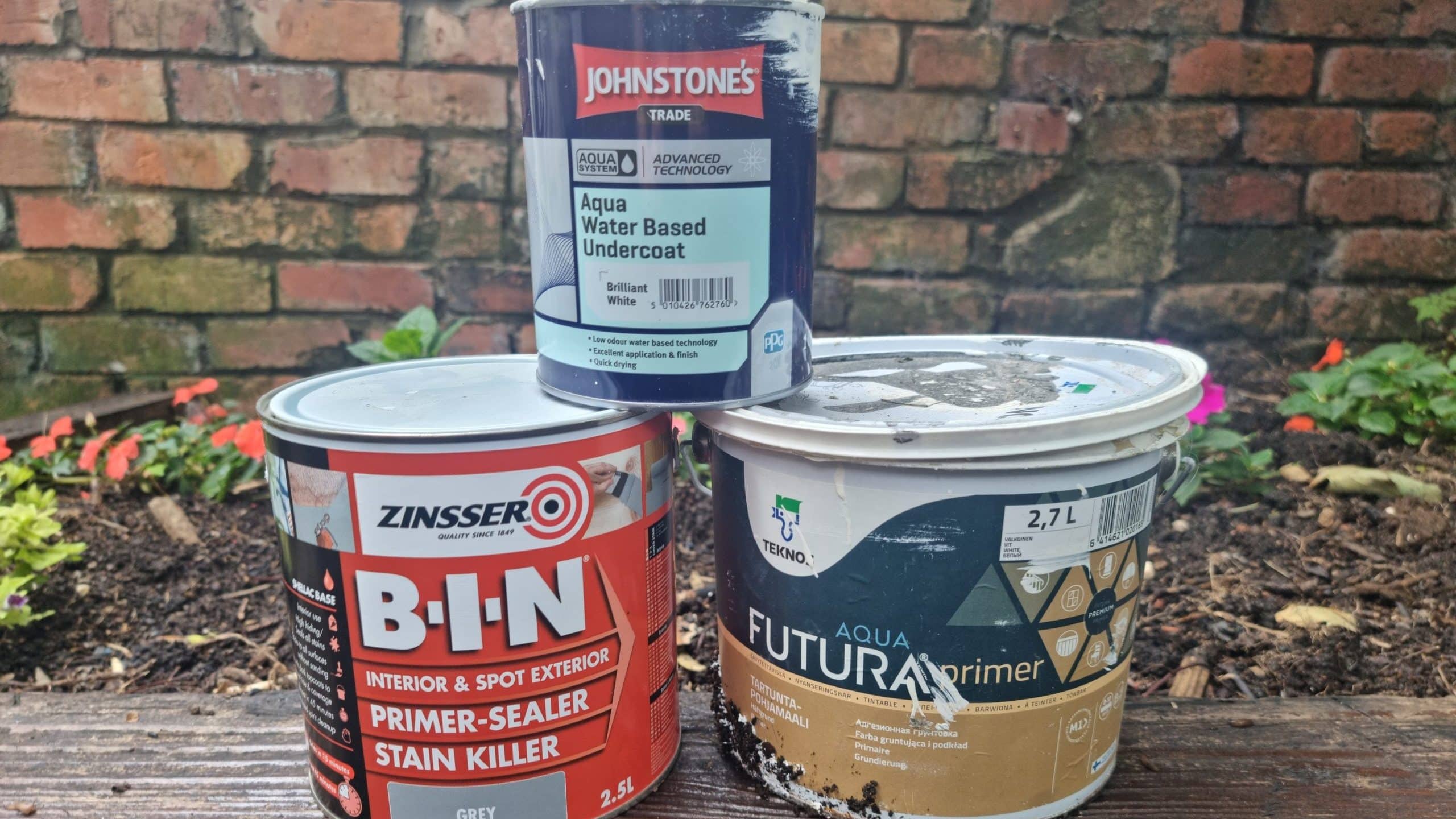
Achieving a flawless and durable paint finish often begins with the right preparatory products. The primer sealer undercoat is a crucial component that cannot be overlooked in this process. This essential product serves multiple purposes, ensuring that the final coat not only looks good but also adheres properly and lasts longer.
What is a Primer Sealer Undercoat?
A primer sealer undercoat is a multifunctional product used in painting projects. It is designed to prepare surfaces for painting, seal pores in the material, and provide an even base for topcoat application. This enhances the adhesion of the paint to the surface, which is especially vital when dealing with porous materials such as wood or drywall. Additionally, it can help hide imperfections and create a uniform surface colour, contributing to a professional-quality finish.
Benefits of Using a Primer Sealer Undercoat
Utilising a primer sealer undercoat can significantly improve the final outcome of painting. It enhances paint adhesion, provides a smoother finish, and increases the longevity of the paint. By sealing the surface, it prevents moisture ingress, reducing the risk of peeling and bubbling. Moreover, it can help to neutralise differences in surface porosity, ensuring that the paint adheres uniformly across the entire surface.
Types of Primer Sealer Undercoats
There are various types of primer sealer undercoats available, each designed to cater to different needs and substrates. Some common types include oil-based, water-based, and shellac-based primers. Oil-based primers are well-suited for bare wood and metal surfaces, offering excellent stain-blocking capabilities. Water-based primers are typically used for drywall and provide the benefit of easy clean-up. Shellac-based primers are known for their versatility and ability to adhere to a wide range of surfaces, making them ideal for challenging substrates.
How to Choose the Right Primer Sealer Undercoat
Selecting the appropriate primer sealer undercoat involves considering the material of the surface, the type of topcoat being used, and the environmental conditions. For instance, metal surfaces may require a specialised primer to prevent rust, while masonry might need a product that accommodates its texture. Understanding the specific needs of your project will guide you in choosing the best primer for an optimal finish.
Application of Primer Sealer Undercoats
The application process of a primer sealer undercoat is straightforward but should be done meticulously to ensure the best results. Depending on the product, application can be by brush, roller, or spray. It is vital to follow the manufacturer’s instructions regarding application thickness, drying time, and recoating. Consistent application and appropriate drying will ensure that the undercoat fully performs its function.
Common Mistakes to Avoid
Several errors can occur during the application of a primer sealer undercoat, potentially compromising the final finish. These include inadequate surface preparation, applying too thick or too thin a coat, and rushing the drying process. It is important to clean the surface thoroughly, apply the coat evenly, and allow sufficient drying time between layers to achieve the best results.
Primer Sealer Undercoat and Different Surfaces
When dealing with different surfaces, each requires careful consideration of the primer sealer undercoat used. Wood, for example, benefits from an oil-based primer that can seal knots and prevent tannin stains. Drywall typically requires a water-based primer for smooth results, whereas metal surfaces require a rust-inhibiting primer to prevent corrosion.
Environmental Impact of Primer Sealer Undercoats
As environmental consciousness increases, so does the interest in eco-friendly primer options. Water-based primers are generally considered more environmentally friendly than their oil-based counterparts due to lower volatile organic compound (VOC) emissions. However, advancements in technology mean that low-VOC options are becoming increasingly available across all types of primers.
Cost Considerations for Primer Sealer Undercoats
The cost of primer sealer undercoats can vary depending on the type and quality. Generally, higher-quality products that feature advanced formulations or specialised functions may cost more, but they often provide superior results, enhancing the durability and aesthetics of the finished product.
Specialist Primer Sealer Undercoats
For special projects, such as painting over glossy surfaces or dealing with difficult stains and odours, specialist primers are available. These products are formulated to handle unique challenges, ensuring adhesion and coverage where standard products might struggle. Consult with paint specialists to identify a product that meets your particular needs.
Why Quality Matters
Investing in a high-quality primer sealer undercoat is essential for a lasting paint finish. While cheaper options might seem tempting, subpar primers may lead to poor adhesion, uneven finishes, and reduced longevity of the topcoat. Prioritising quality can ensure that you achieve a professional and durable result.
Innovations in Primer Technology
The technology behind primer sealer undercoats continues to evolve, with manufacturers developing new formulations that offer improved outcomes. Innovations include fast-drying formulas, enhanced stain-blocking properties, and primers that can be applied in low temperatures. These advances allow for more flexibility and reliability in different painting conditions.
Maintaining Painted Surfaces
Once the primer and paint have been applied, maintenance becomes key to preserve the finish. Regular cleaning, avoiding harsh chemicals, and prompt repairs of damage can help maintain the appearance and integrity of painted surfaces, extending their life and keeping them looking their best.
Conclusion
The role of a primer sealer undercoat in achieving a perfect paint finish cannot be understated. Understanding its purpose, benefits, and application techniques is essential for any successful painting project. By choosing an appropriate primer, preparing the surface properly, and applying the undercoat correctly, one can ensure a professional-looking and durable paint job.