First Day of Winter 2025: Date & Time Explained
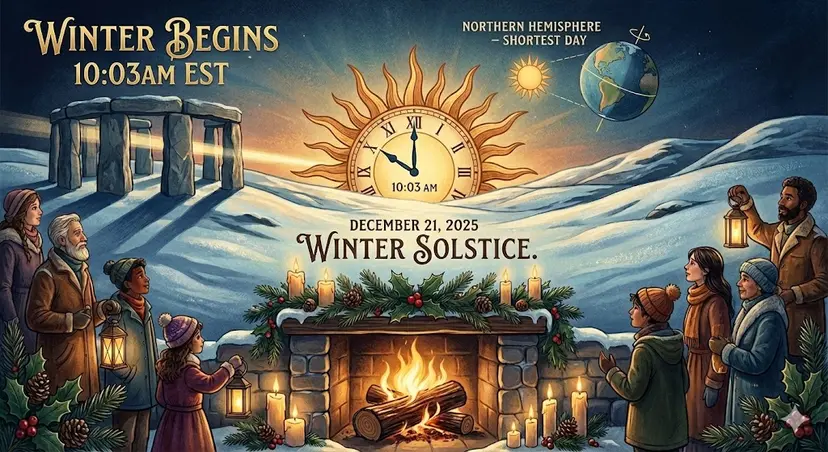
First day of winter 2025 arrives on Sunday, December 21, marking the official start of the coldest season in the Northern Hemisphere.
This special day is known as the winter solstice and occurs at exactly 10:03 AM Eastern Standard Time. It represents the shortest day and longest night of the entire year.
The winter solstice happens when Earth’s North Pole tilts farthest away from the sun at 23.5 degrees. After this date, days will slowly start getting longer again, bringing more sunlight each day until summer returns.
When is the First Day of Winter 2025?
The first day of winter 2025 falls on Sunday, December 21. This is the date when astronomical winter officially begins in the Northern Hemisphere.
The exact moment of the winter solstice occurs at 10:03 AM EST (Eastern Standard Time). This translates to 7:03 AM PST (Pacific Standard Time) for those on the West Coast.
For people in other time zones, the solstice happens at 9:03 AM CST (Central Standard Time) and 3:03 PM UTC (Coordinated Universal Time). Everyone on Earth experiences the solstice at the same instant, just at different local times.
Exact Time of Winter Solstice 2025
The winter solstice is not a full day event. It is actually a specific moment in time when the Northern Hemisphere reaches maximum tilt away from the sun.
Key Times Around the World:
Eastern Time: 10:03 AM EST
Central Time: 9:03 AM CST
Mountain Time: 8:03 AM MST
Pacific Time: 7:03 AM PST
UTC Time: 3:03 PM (15:03 UTC)
The precise timing means you could theoretically experience the solstice while sleeping, eating breakfast, or starting your workday. The moment passes in an instant, even though we celebrate the entire day.
What is the Winter Solstice?
The winter solstice marks the astronomical beginning of winter. It is the shortest day of the year in terms of daylight hours.
On this day, the sun appears at its lowest point in the sky when viewed from the Northern Hemisphere. The sun’s path across the sky is as low as it can possibly be.
The word “solstice” comes from two Latin words: “sol” meaning sun and “sistere” meaning to stand still. Ancient observers noticed the sun seemed to pause in its movement before reversing direction.
Why Does Winter Solstice Happen?
Earth tilts on its axis by 23.5 degrees as it orbits around the sun. This tilt is what creates our seasons throughout the year.
During December, the North Pole points away from the sun at its maximum angle. This means the Northern Hemisphere receives less direct sunlight than at any other time.
The sun appears directly overhead at the Tropic of Capricorn on the solstice. This imaginary line sits at 23.5 degrees south of the equator, running through Australia, Chile, Brazil, and South Africa.
Shortest Day of the Year
December 21, 2025 is the shortest day of the year for anyone living north of the equator. The amount of daylight varies depending on your location.
Cities at higher latitudes see dramatically less daylight. Seattle and Minneapolis get only about 8 hours and 20 minutes of sunlight on the solstice.
Mid-latitude cities like New York and Chicago experience around 9 hours and 10 minutes of daylight. Southern cities like Miami and Houston enjoy closer to 10 hours and 30 minutes.
The farther north you go, the shorter the day becomes. Areas above the Arctic Circle experience complete darkness for 24 hours or more around the solstice.
Longest Night of the Year
The winter solstice also brings the longest night of the year. In most places, darkness lasts for more than 14 to 15 hours.
This extended darkness happens because the sun sets early and rises late. The combination creates an unusually long period without daylight.
For locations near the Arctic Circle, the night can last for days or even weeks. These regions experience “polar night” where the sun never rises above the horizon.
After the solstice passes, nights start getting shorter again. The change happens gradually at first, gaining just a few seconds of daylight each day.
Astronomical Winter vs Meteorological Winter
There are two different ways to define when winter starts. Understanding both helps clear up common confusion about winter’s beginning.
Astronomical Winter
Astronomical winter begins on the winter solstice, December 21, 2025. It ends on the spring equinox, March 20, 2026.
This definition is based on Earth’s position relative to the sun. Astronomers and almanacs use this system because it follows celestial mechanics.
The season lasts about 89 days in the Northern Hemisphere. This is slightly shorter than other seasons due to Earth’s elliptical orbit.
Meteorological Winter
Meteorological winter starts earlier on December 1 and runs through February 28 (or 29 in leap years). This creates neat three-month seasons.
Weather forecasters prefer this system because it aligns with temperature patterns. December, January, and February are typically the three coldest months.
This method makes it easier to compare weather statistics year to year. Records and averages use these fixed dates for consistency.
How Much Daylight on December 21, 2025?
The amount of daylight you receive depends on your latitude. Here are examples from major US cities:
Northern Cities:
Seattle, Washington: 8 hours, 23 minutes
Portland, Oregon: 8 hours, 40 minutes
Minneapolis, Minnesota: 8 hours, 46 minutes
Boston, Massachusetts: 9 hours, 5 minutes
Mid-Latitude Cities:
Chicago, Illinois: 9 hours, 11 minutes
New York, New York: 9 hours, 15 minutes
Denver, Colorado: 9 hours, 21 minutes
San Francisco, California: 9 hours, 33 minutes
Southern Cities:
Atlanta, Georgia: 9 hours, 51 minutes
Los Angeles, California: 9 hours, 54 minutes
Houston, Texas: 10 hours, 14 minutes
Miami, Florida: 10 hours, 32 minutes
These times show the dramatic difference between northern and southern locations. Cities closer to Canada see significantly less daylight than those near Mexico.
Sunrise and Sunset Times
On December 21, 2025, sunrise and sunset times vary greatly across the country. These times determine the length of your day.
In New York City, the sun rises around 7:19 AM and sets at approximately 4:38 PM. This gives about 9 hours and 19 minutes of daylight.
Chicago sees sunrise at roughly 7:16 AM and sunset at 4:27 PM. Los Angeles enjoys sunrise at 6:55 AM and sunset at 4:49 PM.
Miami gets a later sunrise at 7:05 AM but benefits from a much later sunset at 5:37 PM. The southern location provides extra daylight compared to northern cities.
What Happens After the Solstice?
Starting December 22, 2025, days begin getting longer again. The change is extremely gradual at first, gaining only a few seconds daily.
By the end of December, you will barely notice the difference. New York gains about 3 minutes of daylight by December 31.
The rate of change speeds up as we move toward spring. By late February and early March, days grow longer by 3 to 4 minutes each day.
This continues until the summer solstice in June 2026. That day marks the longest period of daylight and the official start of summer.
The Sun’s Path in the Sky
On the winter solstice, the sun follows its lowest arc through the sky. At noon, the sun appears much lower on the horizon than in summer.
You can observe this effect by looking at shadows. Stand outside at noon on December 21 and notice how long your shadow appears.
The sun rises in the southeast rather than due east. It sets in the southwest instead of due west. This creates a noticeably different path across the sky.
Photographers appreciate the low sun angle because it creates dramatic lighting. The golden hour lasts longer, and shadows stretch further throughout the day.
Earth’s Tilt and the Seasons
Earth’s 23.5-degree tilt is responsible for all our seasons. Without this tilt, we would not experience winter, spring, summer, or fall.
The tilt remains constant as Earth orbits the sun. This means different parts of the planet receive varying amounts of sunlight throughout the year.
When the Northern Hemisphere tilts away from the sun, we experience winter. At the same time, the Southern Hemisphere tilts toward the sun and enjoys summer.
Six months later, the situation reverses. The Northern Hemisphere tilts toward the sun for summer while the Southern Hemisphere experiences winter.
Tropic of Capricorn Significance
On December 21, 2025, the sun appears directly overhead at the Tropic of Capricorn. This happens at solar noon for locations on this latitude line.
The Tropic of Capricorn runs at 23.5 degrees south of the equator. It passes through several countries including Australia, Chile, Brazil, Paraguay, and Madagascar.
This is the southernmost point where the sun can appear directly overhead. After the solstice, the sun begins moving northward again in the sky.
For people living on the Tropic of Capricorn, the sun reaches 90 degrees altitude at noon. This creates the shortest shadows of the year in those locations.
Polar Regions During Winter Solstice
The Arctic Circle experiences complete darkness around the winter solstice. The sun does not rise above the horizon at all.
This phenomenon is called “polar night” and lasts for varying lengths depending on latitude. The North Pole has been dark since late September.
Conversely, the Antarctic Circle enjoys 24-hour daylight. The South Pole has constant sunshine from late September through late March.
Animals in these regions have special adaptations for extreme light conditions. Reindeer eyes change color to see better in low light during polar night.
Historical and Cultural Significance
Ancient peoples carefully tracked the winter solstice for thousands of years. They built monuments aligned with the solstice sunrise or sunset.
Stonehenge in England famously aligns with the winter solstice sunset. Thousands of people gather there each year to watch the sun set between the massive stones.
Newgrange in Ireland is another ancient monument built to mark the solstice. A shaft of sunlight illuminates the inner chamber only on the winter solstice morning.
These structures show how important the solstice was to ancient cultures. They needed to track seasons for planting crops and preparing for winter.
Winter Solstice Celebrations Worldwide
Many cultures celebrate the winter solstice with festivals and traditions. These celebrations often involve fire, light, and hope for the sun’s return.
Yule
The ancient Germanic peoples celebrated Yule during the winter solstice period. They burned yule logs and decorated with evergreens.
Many Christmas traditions actually originated from Yule celebrations. The yule log, holly, mistletoe, and evergreen trees all come from these pagan customs.
Dongzhi Festival
East Asian countries celebrate Dongzhi, which means “arrival of winter.” The festival is one of the most important in the Chinese calendar.
Families gather to eat tangyuan (sweet rice balls) symbolizing reunion. The festival marks the return of longer days and the balance of yin and yang.
Saturnalia
Ancient Romans celebrated Saturnalia in late December. This festival honored Saturn, the god of agriculture and time.
The celebration involved feasting, gift-giving, and role reversals. Many historians believe Christmas adopted elements from Saturnalia.
Soyal
The Hopi and Zuni peoples of the American Southwest celebrate Soyal. This ceremony welcomes the sun back and prepares for the new year.
Rituals include purification, dancing, and gift-giving. The celebration lasts for days and involves the entire community.
Impact on Daylight and Weather
The winter solstice marks the beginning of increasing daylight. However, the coldest weather typically comes later in January and February.
This lag happens because Earth takes time to cool down. The ground, water, and atmosphere hold heat from previous months.
Lakes and oceans especially retain warmth for weeks after the solstice. This stored heat keeps temperatures from dropping immediately.
The coldest days usually occur in mid-January to late February. This is when accumulated cold finally outweighs the stored warmth from autumn.
Why the Coldest Day Isn’t the Shortest Day
Many people assume December 21 is the coldest day because it has the least sunlight. However, this is not usually true.
Temperature changes lag behind sunlight changes. The planet continues cooling even as days start getting longer after the solstice.
In the United States, the coldest temperatures typically arrive in late January. Some locations experience their coldest weather in early February.
This pattern happens because of thermal inertia. The Earth’s surface and atmosphere take time to respond to changes in solar heating.
Earliest Sunset and Latest Sunrise
Interestingly, the earliest sunset occurs before the winter solstice. The latest sunrise happens after the solstice.
In most northern locations, the earliest sunset takes place in early to mid-December. For example, New York’s earliest sunset is around December 7 or 8.
The latest sunrise occurs in early January, usually around January 3 to 5. This seems contradictory but happens due to Earth’s elliptical orbit.
The asymmetry is caused by the equation of time. This astronomical phenomenon affects when the sun reaches its highest point each day.
Southern Hemisphere Summer Solstice
While the Northern Hemisphere experiences winter solstice, the Southern Hemisphere celebrates summer solstice. They experience their longest day and shortest night.
Australia, New Zealand, South Africa, and South America enjoy their warmest, brightest day. Many people celebrate with outdoor festivals and beach gatherings.
The sun appears directly overhead at noon for locations on the Tropic of Capricorn. This creates the shortest shadows and strongest solar heating of the year.
This simultaneous opposite experience demonstrates Earth’s tilt. One half of the planet always receives more direct sunlight than the other half.
Observing the Winter Solstice
You can observe the winter solstice effects without any special equipment. Simply go outside and notice the sun’s position and your shadow length.
At solar noon (usually between 11:30 AM and 12:30 PM local time), stand in a sunny spot. Your shadow will be the longest of the entire year.
Compare the sun’s height to what you remember from summer. The difference is dramatic, especially if you live at higher latitudes.
Take photos of the same scene at noon throughout the year. You will see how drastically the sun’s position changes between seasons.
Winter Solstice 2026 Preview
The winter solstice will occur again on Monday, December 21, 2026. The exact time will be 3:50 PM EST.
This time is different from 2025 because Earth’s orbit is not exactly 365 days. Leap years and orbital mechanics cause slight variations.
The 2026 solstice falls on a Monday instead of Sunday. This creates a different pattern for holiday planning and celebrations.
Looking ahead, the winter solstice date typically alternates between December 20, 21, and 22. December 21 and 22 are most common.
Weather Patterns for Winter 2025-2026
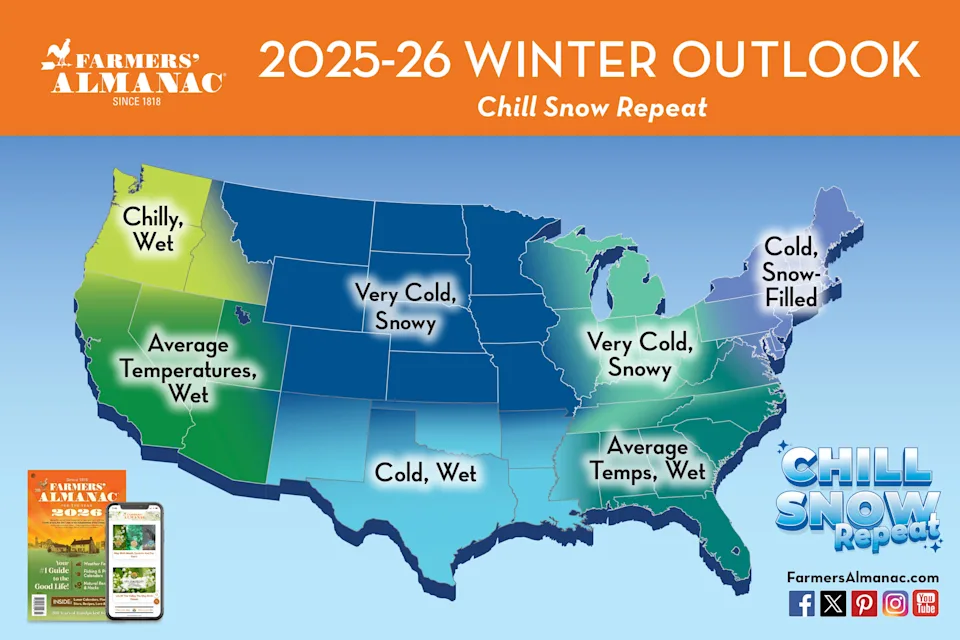
Meteorologists predict a varied winter for the United States in 2025-2026. Different regions will experience different conditions.
The Northeast and Midwest may see above-average snowfall. Cold Arctic air is expected to bring frequent winter storms to these areas.
The West Coast could experience wetter than normal conditions. Pacific storms are forecast to bring rain to California and snow to mountain ranges.
The South may see warmer than average temperatures. However, occasional cold snaps cannot be ruled out even in southern states.
How Animals Respond to Winter Solstice
Animals do not consciously celebrate the solstice, but they respond to changing daylight. Many species use day length as a signal for behavior changes.
Birds that migrate use daylight hours as a trigger. The shortening days tell them when to fly south for winter.
Hibernating animals prepare for winter based on light cues. Bears, groundhogs, and bats respond to decreasing daylight by finding dens.
Deer and other mammals grow thicker winter coats as days shorten. The reduced light triggers hormonal changes that promote winter fur growth.
Some animals breed based on the winter solstice. The lengthening days after December 21 signal that spring is eventually coming, triggering mating behaviors.
Plant Responses to Winter Solstice
Plants also respond to day length changes, though the solstice itself does not trigger immediate changes. Many plants entered dormancy weeks earlier.
Deciduous trees dropped their leaves in autumn when days grew short. They remain dormant through winter regardless of the solstice date.
Some plants like poinsettias use day length to trigger flowering. However, they respond to the shortening days before the solstice, not the solstice itself.
After the solstice, slowly increasing daylight begins preparing plants for spring. This happens internally long before visible spring growth appears.
Gardeners use the winter solstice as a planning point. Seed catalogs arrive, and planning for spring gardens begins even while snow covers the ground.
Impact on Human Biology
Reduced daylight during winter affects human biology in several ways. Many people experience changes in mood, energy, and sleep patterns.
Seasonal Affective Disorder (SAD) affects some people during winter months. The reduced daylight can cause depression, fatigue, and mood changes.
Light therapy helps many people cope with winter darkness. Special lamps that mimic sunlight can improve mood and energy levels.
Sleep patterns may shift during winter because of darkness. Some people naturally want to sleep longer during the shortest days.
Vitamin D production decreases in winter because of less sun exposure. Many health experts recommend vitamin D supplements during the darker months.
Photographing the Winter Solstice
The winter solstice offers unique opportunities for photography. The low sun angle creates dramatic lighting throughout the day.
Golden hour lasts longer during the solstice period. The sun remains low in the sky, providing beautiful warm light for extended periods.
Shadows appear extremely long and dramatic. These can add interesting compositional elements to your photos.
The sun’s southeast to southwest path creates different lighting angles. This allows for creative shots you cannot get during summer months.
Many photographers visit famous landmarks during the solstice. Stonehenge, Newgrange, and other ancient sites attract photographers worldwide.
Modern Celebrations and Activities

Today, people celebrate the winter solstice in various ways. Many celebrate the astronomical event while others focus on seasonal traditions.
Some communities hold solstice festivals with music, food, and bonfires. These events honor ancient traditions while creating modern community connections.
Many people practice solstice rituals like lighting candles or gathering with family. These personal celebrations mark the turning point toward longer days.
Outdoor enthusiasts take winter solstice hikes to watch sunrise or sunset. This connects them with nature during a significant astronomical moment.
Some people begin new habits or set intentions on the solstice. They treat it as a natural new year, a time for reflection and renewal.
Educational Opportunities
The winter solstice provides excellent teaching moments for children and students. It demonstrates how Earth’s tilt creates seasons.
Simple experiments can show how tilt affects sunlight. A globe and flashlight easily demonstrate why seasons happen.
Tracking sunrise and sunset times teaches observation skills. Students can create graphs showing how daylight changes throughout the year.
Learning about different cultural celebrations promotes cultural awareness. Students discover how people worldwide mark this astronomical event.
Observing shadows throughout the day teaches about sun position. Measuring shadow length at different times creates hands-on science learning.
Spiritual and Personal Significance
Many people find spiritual meaning in the winter solstice. The symbolism of darkness giving way to light resonates across beliefs.
The solstice represents hope during dark times. After the longest night, light begins returning bit by bit each day.
Some people use the solstice for meditation and reflection. The quiet, dark season encourages looking inward and contemplating personal growth.
Setting intentions for the coming year is common. The solstice marks a natural turning point, making it ideal for new beginnings.
Others simply appreciate the astronomical wonder. Understanding the mechanics of our planet’s movement through space inspires awe and connection.
Practical Tips for the Shortest Day
Make the most of limited daylight during the winter solstice. These practical tips help you stay active and healthy during dark days.
Get outside during daylight hours whenever possible. Even 10-15 minutes of natural light helps regulate your body clock.
Open curtains and blinds to maximize indoor light. Let in as much natural light as possible during daytime hours.
Consider using a dawn simulator alarm clock. These devices gradually increase light before your alarm, making winter mornings easier.
Plan outdoor activities for midday when the sun is highest. This maximizes your exposure to natural light during the brightest hours.
Create cozy indoor spaces for dark evenings. Candles, warm lighting, and comfortable blankets make long nights more enjoyable.
Frequently Asked Questions (FAQs)
What is the first day of winter 2025?
The first day of winter 2025 is Sunday, December 21. This is when astronomical winter officially begins with the winter solstice occurring at 10:03 AM EST.
What time does winter start on December 21, 2025?
Winter officially starts at exactly 10:03 AM Eastern Standard Time on December 21, 2025. This translates to 7:03 AM Pacific Time and 3:03 PM UTC worldwide.
Is December 21 the shortest day of 2025?
Yes, December 21, 2025 is the shortest day of the year in the Northern Hemisphere. It has the fewest hours of daylight, ranging from 8 to 10 hours depending on location.
Why does winter start on different dates?
Winter starts on different dates depending on whether you use astronomical or meteorological definitions. Astronomical winter begins December 21, while meteorological winter starts December 1.
What happens during the winter solstice?
During the winter solstice, the Northern Hemisphere tilts farthest away from the sun. This creates the shortest day and longest night, with the sun appearing at its lowest point in the sky.
Will days get longer after December 21, 2025?
Yes, days start getting longer after December 21, 2025. The change is gradual at first, adding just seconds daily, but speeds up as we approach spring.
What is the difference between solstice and equinox?
A solstice marks the longest or shortest day of the year, while an equinox has equal day and night. Solstices occur in June and December; equinoxes happen in March and September.
What time is sunset on the winter solstice?
Sunset time varies by location on the winter solstice. Northern cities like New York see sunset around 4:38 PM, while southern cities like Miami have sunset near 5:37 PM.
Can you see the winter solstice happening?
You cannot see the exact moment of the winter solstice, but you can observe its effects. The sun appears at its lowest point at noon, creating the longest shadows of the year.
Is the winter solstice the coldest day?
No, the winter solstice is not usually the coldest day despite having the least sunlight. The coldest temperatures typically occur in late January or early February due to thermal lag.
Conclusion
The first day of winter 2025 on Sunday, December 21 marks a significant astronomical event that has captivated humans for thousands of years.
Occurring at exactly 10:03 AM EST, the winter solstice represents the shortest day and longest night of the year when the Northern Hemisphere tilts farthest from the sun.
Understanding the winter solstice helps us appreciate Earth’s remarkable dance through space. The 23.5-degree tilt of our planet creates the changing seasons that shape our lives, agriculture, and ecosystems.
From ancient monuments like Stonehenge to modern scientific observations, the solstice connects us to both our past and our place in the solar system.