Glucose Syrup: From Baking to Beverages, It Does It All
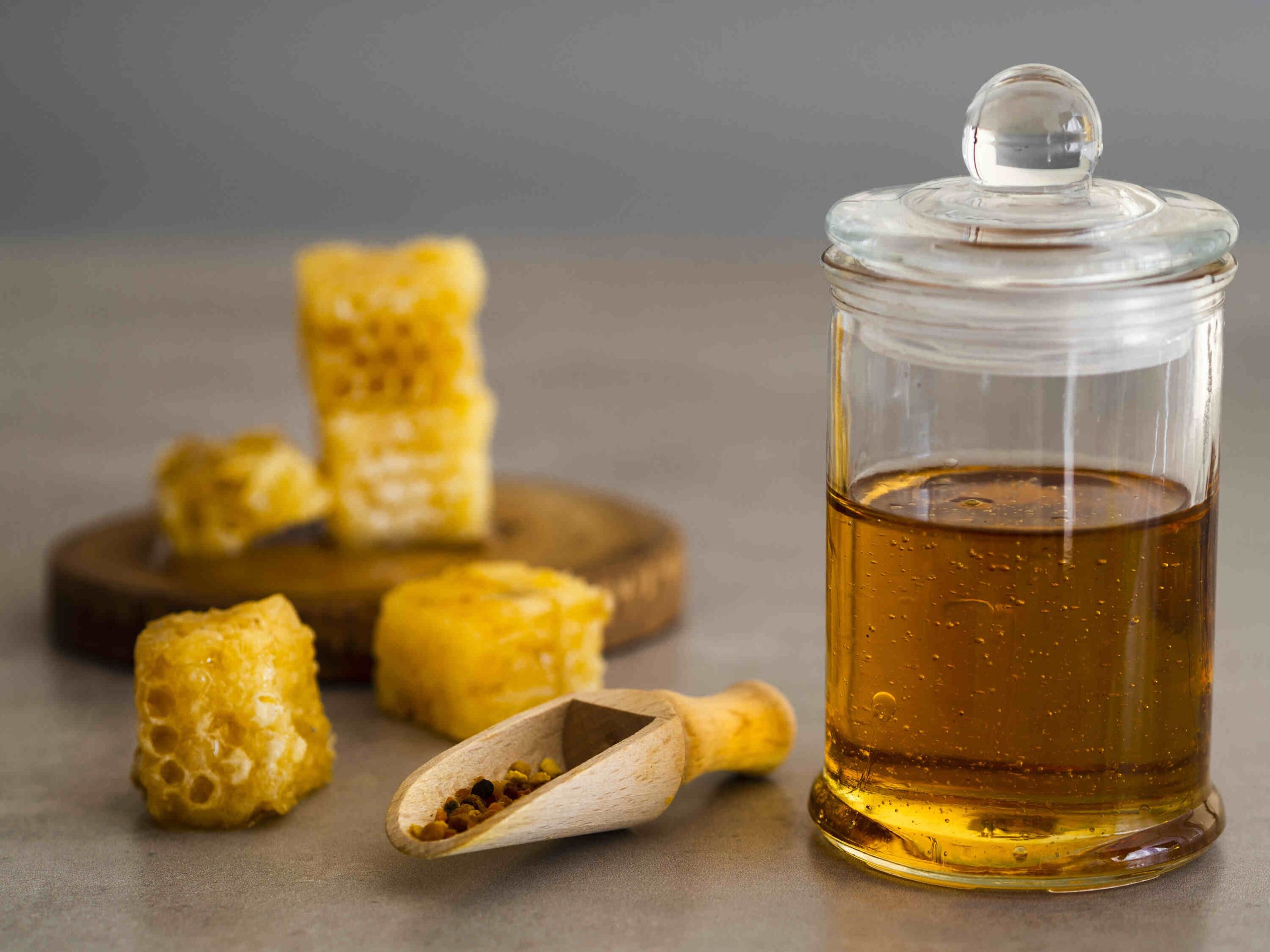
Glucose Syrup is a sweet and thick liquid used in various food products. It is derived from starch and contains high levels of glucose, making it an excellent sweetener. The food industry values it for its ability to enhance texture, prevent crystallization, and improve shelf life. Many confectionery items, baked goods, and processed foods rely on Glucose Syrup for consistency and flavor.
Unlike regular sugar, Glucose Syrup has a different chemical structure, affecting how the body metabolizes it. It is commonly made from corn, wheat, rice, or potatoes, depending on regional availability. Its high viscosity and humectant properties make it ideal for keeping products moist and fresh. Due to its widespread use, there are debates about its health effects, especially concerning blood sugar levels.
What is Glucose Syrup Made Of?

- Primary Ingredients: The main component of Glucose Syrup is starch, sourced from corn, wheat, or potatoes.
- Breakdown Process: Starch undergoes hydrolysis, breaking it into glucose molecules, which give the syrup its characteristic sweetness.
- Composition: It consists mainly of dextrose, maltose, and oligosaccharides. The dextrose equivalent (DE) level determines its sweetness and viscosity.
- Color and Texture: It is usually clear or amber-colored, with a thick, sticky consistency. Some variations have a more viscous or liquid texture, depending on processing methods.
How Glucose Syrup is Produced
- Extraction of Starch: Starch is isolated from corn, wheat, or potatoes.
- Hydrolysis Process: The starch is broken down using enzymes or acids to produce glucose-rich syrup.
- Purification: The syrup undergoes filtration and refining to remove impurities.
- Final Processing: The syrup is adjusted for thickness and sweetness, depending on its intended use.
Types of Glucose Syrup
- High-Dextrose Glucose Syrup: Contains a high percentage of simple sugars, making it sweeter.
- Low-Dextrose Glucose Syrup: Less sweet and used in texturizing food products.
- Hydrolyzed Glucose Syrup: Created using enzymatic hydrolysis, offering better stability.
- Acid-Converted Glucose Syrup: Produced through acid hydrolysis, often used in confectionery.
Common Uses of Glucose Syrup in Food Industry
- Confectionery: Prevents sugar crystallization in candies, caramels, and gummies.
- Baking: Improves moisture retention in cakes, cookies, and bread.
- Beverages: Acts as a sweetener in sodas and energy drinks.
- Sauces and Dressings: Enhances texture and flavor in condiments.
Differences Between Glucose Syrup and Corn Syrup

| Feature | Glucose Syrup | Corn Syrup |
| Source | Corn, wheat, potatoes | Only from corn |
| Sugar Content | Mostly glucose | Contains fructose |
| Uses | Baking, candy, processed foods | Soft drinks, sweeteners |
| Texture | Thicker and more viscous | More liquid-like |
Nutritional Content of Glucose Syrup
| Nutrient | Per 100g |
| Calories | 290-320 kcal |
| Carbohydrates | 80g – 85g |
| Sugars | 50g – 60g |
| Fats | 0g |
| Proteins | 0g |
Health Effects of Consuming Glucose Syrup
- High Glycemic Index: Raises blood sugar quickly, which may be a concern for diabetics.
- Weight Gain: Excessive intake can contribute to obesity and metabolic issues.
- Dental Health: Increases risk of cavities due to high sugar content.
- Energy Boost: Provides a quick source of energy for athletes and those needing fast replenishment.
Is Glucose Syrup Safe for Diabetics?
- Blood Sugar Impact: Since it has a high glycemic index, it can spike blood sugar levels.
- Alternative Options: Diabetics should opt for low-GI sweeteners like stevia or erythritol.
- Consumption Limitations: Moderation is key to avoiding negative health effects.
Glucose Syrup in Baking and Confectionery

- Moisture Retention: Helps keep cakes, cookies, and bread soft for longer.
- Prevents Sugar Crystallization: Essential in making smooth-textured candies and syrups.
- Sweetening Agent: Used as a mild sweetener in baked goods.
How to Store and Use Glucose Syrup
- Storage Conditions: Keep in a cool, dry place, away from direct sunlight.
- Shelf Life: Can last up to 2 years when stored properly.
- Usage Tips: Use a heated spoon for easy pouring due to its thick consistency.

Frequently Asked Questions About Glucose Syrup
What is the difference between Glucose Syrup and Corn Syrup?
Glucose Syrup vs. Corn Syrup is a common comparison, but they are not exactly the same. Glucose Syrup is made from starch sources like corn, wheat, or potatoes, while Corn Syrup is derived solely from corn. Corn Syrup may contain fructose, making it sweeter, while Glucose Syrup is mostly glucose and used for texture and moisture retention.
Does Glucose Syrup contain gluten?
If made from corn or potatoes, it is gluten-free, but wheat-based variants contain gluten.
Is Glucose Syrup healthier than table sugar?
It has a similar calorie count and can impact blood sugar just like regular sugar.
Is Glucose Syrup gluten-free?
The gluten-free status of Glucose Syrup depends on its source. If made from corn or potatoes, it is naturally gluten-free. However, if derived from wheat, it may contain traces of gluten, although most refining processes remove gluten content. Always check labels for certified gluten-free options.
What can I use as a substitute for Glucose Syrup?
A Glucose Syrup substitute depends on the recipe. Common alternatives include honey, maple syrup, light corn syrup, golden syrup, or agave nectar. For confectionery, a mix of sugar and water can work as a homemade alternative.
Where can I buy Glucose Syrup at Woolworths and Coles?
Glucose Syrup Woolworths and Glucose Syrup Coles can be found in the baking or sweetener aisle of these supermarkets. It is available in brands catering to home bakers and professional chefs. Online options may also offer bulk purchases.
Is Glucose Syrup the same as High-Fructose Corn Syrup?
No, Glucose Syrup is primarily glucose-based, while HFCS contains fructose and glucose.
How do you make Glucose Syrup at home?
A Glucose Syrup recipe involves heating sugar, water, and lemon juice until it forms a thick syrup. This homemade version can be used in baking, confectionery, and desserts. The process mimics commercial Glucose Syrup but lacks industrial refinement.
Can Glucose Syrup be used in homemade recipes?
Yes, it can be used in baking, candy making, and sweet sauces.
Is Glucose Syrup bad for you?
There are concerns about Glucose Syrup being bad due to its high sugar content. Excessive consumption may lead to weight gain, high blood sugar, and dental issues. However, moderate use in a balanced diet is generally safe.
Is Glucose Syrup low FODMAP?
Glucose Syrup FODMAP classification depends on its composition. Most pure glucose syrups are low FODMAP, making them suitable for people with digestive sensitivities. However, glucose-fructose syrups can trigger IBS symptoms.
Is Glucose Syrup halal?
The halal status of Glucose Syrup depends on the source and processing. If derived from plant-based starches without alcohol in production, it is considered halal. Checking for halal certification on packaging is recommended.
Conclusion of Glucose Syrup
Glucose Syrup is a versatile sweetener used extensively in the food industry for its ability to enhance texture, moisture, and shelf life. It is derived from corn, wheat, or potatoes and plays a key role in baking, confectionery, and processed foods. Although it provides a quick energy boost, excessive consumption can lead to health concerns like obesity and high blood sugar levels.
For diabetics, Glucose Syrup is best consumed in moderation or substituted with lower-GI sweeteners. Understanding its nutritional content and proper usage ensures better dietary choices. Whether used in homemade recipes or industrial applications, it remains a key ingredient in modern food production.