Gross Emoji 🤢: Unleash the Ultimate Expression of Disgust in Digital Communication
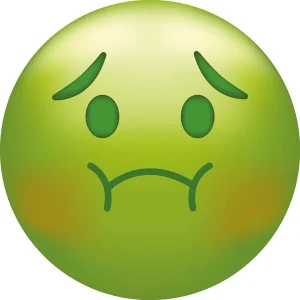
Gross emoji 🤢 has become an indispensable tool in modern texting and social media, perfectly capturing moments of nausea, revulsion, or outright repulsion. This green-faced icon, officially known as the Nauseated Face, features furrowed brows, puffed cheeks, and a strained expression that instantly conveys physical sickness or strong distaste.
Introduced in Unicode 9.0 back in 2016, the gross emoji 🤢 continues to rise in popularity through 2025, with usage trends showing steady growth amid billions of daily emoji exchanges worldwide. As digital conversations evolve, this emoji stands out for its vivid representation of unpleasant experiences, from bad smells to cringe-worthy content.
The gross emoji 🤢 excels at adding emotional depth where words fall short, helping users express visceral reactions without ambiguity. In 2025, with over 3,953 emojis available in the Unicode Standard, the gross emoji 🤢 remains a go-to for authentic disgust, often paired with others for amplified effect. Its green hue, inspired by real physiological responses like bile during nausea, makes it uniquely memorable and effective.
What Does the Gross Emoji 🤢 Really Mean?
The gross emoji 🤢 primarily symbolizes nausea or extreme disgust, depicting a face on the verge of vomiting. Its closed mouth and bulging cheeks suggest holding back sickness, making it ideal for reactions to foul odors, unappetizing food, or repulsive sights.
This emoji goes beyond literal illness, often conveying metaphorical revulsion, such as secondhand embarrassment from awkward situations or moral outrage at distasteful behavior. In 2025, data from platforms like Emojiall indicates continued upward trends in its usage, reflecting growing comfort with expressing negative emotions digitally.
Design variations across platforms add nuance: Apple’s version emphasizes green pallor for sickness, while Google’s highlights furrowed brows for intense distaste. Despite these differences, the core message of the gross emoji 🤢 remains consistent—something is profoundly unpleasant.
- Physical nausea: Reacting to spoiled food or motion sickness.
- General disgust: Responding to gross-out content in media.
- Figurative aversion: Signaling distaste for ideas or actions.
The gross emoji 🤢 bridges language barriers, allowing instant communication of repulsion in multicultural chats.
The Fascinating History of the Gross Emoji 🤢
The gross emoji 🤢, or Nauseated Face, was approved in Unicode 9.0 and added to Emoji 3.0 in 2016, addressing the need for more nuanced unwell expressions beyond basic smileys.
Prior to its introduction, users relied on combinations like 😷 or 😩, but the gross emoji 🤢 filled a specific gap for nausea and disgust. Its proposal emphasized distinguishing it from general sadness, focusing on physical queasiness.
By 2025, the gross emoji 🤢 has solidified its place amid rapid emoji evolution, with Unicode reaching version 17.0 and nearly 4,000 total emojis. Popularity data from 2020–2025 shows rising usage, peaking during periods of heightened health awareness.
This timeline highlights its enduring relevance:
| Year | Milestone | Impact on Gross Emoji 🤢 |
| 2016 | Unicode 9.0 Approval | Official debut as Nauseated Face |
| 2019–2021 | Steady Rise | Increased use in everyday disgust reactions |
| 2025 | Ongoing Trends | Continued growth in social media mentions |
The gross emoji 🤢 exemplifies how emojis adapt to cultural needs for expressing complex feelings.
How to Use the Gross Emoji 🤢 Effectively in Texts
Incorporating the gross emoji 🤢 enhances messages by adding visceral impact, making reactions more relatable and immediate.
Common scenarios include describing bad tastes, smells, or sights, like “That expired milk 🤢” or reacting to horror movie scenes. In group chats, it amplifies shared revulsion, fostering camaraderie.
Best practices for the gross emoji 🤢:
- Pair with positives for humor: “Tried durian fruit 🤢😂”
- Use sparingly to avoid overuse dilution.
- Combine for emphasis: 🤢🤮 for extreme cases.
In 2025, younger users favor the gross emoji 🤢 for authentic emotional expression, especially on platforms like X and Instagram.
Avoid in professional settings unless tone is casual, as it conveys strong negativity.
Why Is the Gross Emoji 🤢 So Popular in 2025?
The gross emoji 🤢 has seen sustained popularity growth through 2025, driven by its unique ability to capture unfiltered disgust in an era of polished online personas.
Statistics from Emojiall show rising trends from 2019 onward, with peaks aligning to viral gross-out challenges and real-world events. Amid over 10 billion daily emoji uses globally, the gross emoji 🤢 stands out for negativity amid dominant positive icons.
Factors boosting its appeal:
- Relatability in food and health discussions.
- Meme culture amplification on social media.
- Cross-platform consistency in design.
In 2025 surveys, users report the gross emoji 🤢 as essential for honest reactions, contributing to its steady climb.
Gross Emoji 🤢 vs Face Vomiting 🤮: Key Differences

While both express revulsion, the gross emoji 🤢 focuses on impending nausea with puffed cheeks, whereas 🤮 depicts actual vomiting with spewing green fluid.
The gross emoji 🤢 suits subtle disgust or building sickness, introduced in 2016, while 🤮, added in 2017 (Unicode 10.0), conveys overt expulsion.
Comparison table:
| Aspect | Gross Emoji 🤢 | Face Vomiting 🤮 |
| Expression | Holding back vomit | Actively vomiting |
| Intensity | Moderate nausea | Extreme reaction |
| Common Use | Distaste, queasiness | Overwhelming grossness |
| Introduction Year | 2016 | 2017 |
Many prefer the gross emoji 🤢 for everyday aversion, reserving 🤮 for hyperbolic emphasis.
Creative Combinations with the Gross Emoji 🤢
The gross emoji 🤢 shines in combinations, amplifying messages through creative pairings.
Popular combos include:
- 🤢💩: Ultimate grossness, for filthy situations.
- 🤢😂: Laughing through disgust, common in memes.
- 🤢🍔: Bad food experiences.
In 2025, users experiment with sequences like 🤢👃 for bad smells or 🤢👀 for disturbing sights.
These enhance expressiveness:
- Food-related: 🤢🥗 (unappetizing meal)
- Emotional: 🤢😬 (cringe disgust)
- Exaggerated: 🤢🤮💀 (over-the-top revulsion)
Such creativity keeps the gross emoji 🤢 fresh and engaging.
Gross Emoji 🤢 in Social Media Trends Through 2025
On platforms like X and TikTok, the gross emoji 🤢 features in viral challenges and reaction threads, underscoring 2025’s embrace of raw emotions.
Trends show increased pairing with media, like gross-out videos. Despite top emojis like 😭 dominating, the gross emoji 🤢 holds niche appeal in disgust-focused content.
2025 highlights:
- Rise in health-related posts.
- Integration in meme formats.
- Cross-generational use for authenticity.
Its green face often punctuates commentary on controversial topics.
Alternatives to the Gross Emoji 🤢 for Expressing Disgust
For variety, alternatives convey similar revulsion without repeating the gross emoji 🤢.
Top options:
- 🤮: More intense vomiting.
- 😬: Grimacing unease.
- 🥴: Woozy discomfort.
Less direct: 👎 or 😒 for milder distaste.
In 2025, users mix these for nuanced expression, with the gross emoji 🤢 remaining the gold standard for nausea-specific reactions.
The Design Evolution of the Gross Emoji 🤢 Across Platforms
Platform designs for the gross emoji 🤢 vary, enriching its interpretation.
- Apple: Vibrant green with red cheeks.
- Google: Subtle shading for realism.
- Samsung: Exaggerated puffiness.
Through 2025 updates, consistency improves while retaining unique styles. This evolution ensures the gross emoji 🤢 adapts seamlessly across devices.
Psychological Impact of Using the Gross Emoji 🤢

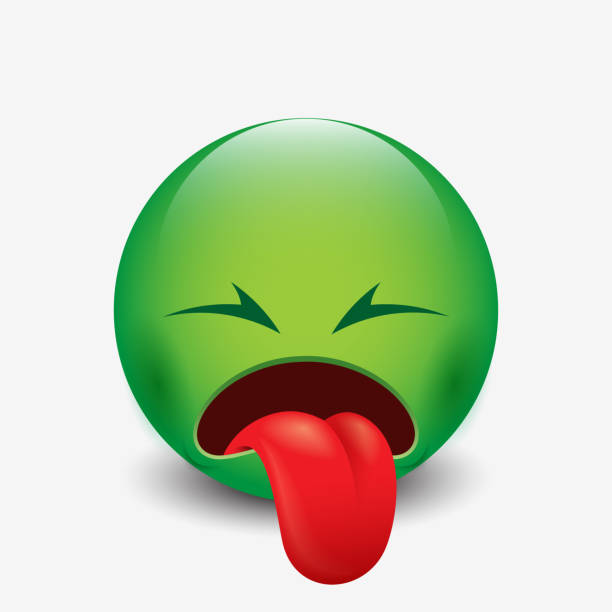
Sick emoticon with tongue out
The gross emoji 🤢 aids emotional release, mirroring real facial cues to reduce miscommunication.
Studies link emoji use to better mental wellbeing, with negative ones like the gross emoji 🤢 validating unpleasant feelings. In 2025, its role in processing disgust helps users navigate overwhelming content.
Benefits include:
- Cathartic expression.
- Enhanced empathy in responses.
- Tone clarification in text.
Overuse risks desensitization, but balanced application strengthens connections.
Gross Emoji 🤢 in Pop Culture and Memes
The gross emoji 🤢 permeates memes, amplifying reactions to viral gross content.
In 2025, it features in food review threads and horror reactions, often combined for humor. Celebrity uses and challenge integrations boost visibility.
Notable examples:
- Viral “try not to gag” videos.
- Meme templates with overlaid 🤢.
- Cultural commentary on distasteful trends.
This embeds the gross emoji 🤢 deeper into digital folklore.
Future Trends for the Gross Emoji 🤢 Beyond 2025
With Unicode 17.0 in 2025 adding new emojis, the gross emoji 🤢 likely maintains relevance as disgust expression demands grow.
Predictions include AI integrations for contextual suggestions and potential variations. Rising authenticity in communication favors icons like the gross emoji 🤢.
Expected developments:
- Increased AR filter ties.
- Broader adoption in professional apps.
- Sustained popularity amid emoji expansion.
Its timeless utility ensures longevity.
FAQs About Gross Emoji
What does the gross emoji 🤢 mean?
The gross emoji 🤢 represents nausea, disgust, or revulsion, often for physical sickness or strong distaste toward something unpleasant.
When was the gross emoji 🤢 introduced?
The gross emoji 🤢 was approved in Unicode 9.0 and added to Emoji 3.0 in 2016 as the Nauseated Face.
How does the gross emoji 🤢 differ from 🤮?
The gross emoji 🤢 shows holding back vomit for moderate nausea, while 🤮 depicts active vomiting for extreme disgust.
Is the gross emoji 🤢 popular in 2025?
Yes, usage of the gross emoji 🤢 has risen steadily through 2025, especially in reactions to gross content on social media.
Can I use the gross emoji 🤢 professionally?
The gross emoji 🤢 is best for casual contexts; avoid in formal communication due to its strong negative connotation.
What are good combinations with the gross emoji 🤢?
Effective pairs include 🤢😂 for humorous disgust, 🤢💩 for extreme grossness, or 🤢🍴 for bad food experiences.
Why is the gross emoji 🤢 green?
The green color of the gross emoji 🤢 evokes sickness pallor or bile, enhancing its association with nausea and disgust.
Conclusion on Gross Emoji
The gross emoji 🤢 has evolved into a powerful digital tool for expressing authentic disgust and nausea, enriching conversations with vivid emotional clarity. From its 2016 debut to sustained popularity in 2025, this green-faced icon captures visceral reactions that words often fail to convey, bridging gaps in text-based communication amid billions of daily emoji uses.
Its versatility in memes, social trends, and everyday exchanges underscores the importance of nuanced negative expressions in a positive-dominated emoji landscape. As Unicode expands and platforms refine designs, the gross emoji 🤢 remains essential for honest, relatable interactions.
- Universally recognized for nausea and revulsion.
- Rising usage trends through 2025 data.
- Effective in combinations for amplified impact.
- Key differentiator from more extreme alternatives like 🤮.
- Psychological benefits in emotional validation.
- Enduring role in pop culture and future digital trends.