How Chapter 13 Bankruptcy Protects Assets While Managing Debt
Debt problems often do not appear all at once. In many situations, they build gradually over time. A missed payment turns into several. Credit card balances grow. Mortgage pressure increases. Collection notices begin arriving more frequently. For many individuals and families, the challenge is not only the debt itself, but also the fear of losing a home, a vehicle, or the financial stability they have worked hard to maintain.
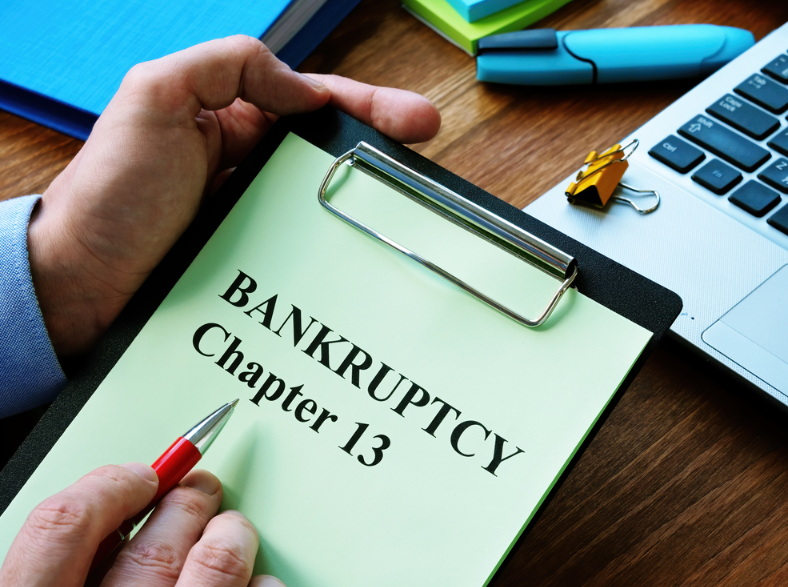
When financial pressure starts affecting major parts of daily life, many people begin exploring structured debt relief options and trying to understand what forms of legal and financial protection may be available. In that process, it is common to come across resources discussing the role of a Chapter 13 bankruptcy lawyer and how Chapter 13 may help individuals with regular income reorganize debt while protecting important assets. Rather than focusing on liquidation, this process is generally designed to create a repayment structure that can offer time, order, and a clearer path forward.
Chapter 13 Focuses on Reorganization
Chapter 13 bankruptcy is commonly described as a form of reorganization. That distinction is important because it reflects the purpose of the process. It is not centered on starting over with nothing. Instead, it is intended to help people address debt through a court-approved repayment plan based on their financial circumstances.
This can be especially relevant for households dealing with multiple financial pressures at once, including mortgage obligations, vehicle payments, credit card debt, medical expenses, and everyday living costs. Under Chapter 13, a repayment plan is typically structured over three to five years, allowing a person to manage debt in a more orderly and realistic way.
The Automatic Stay Can Provide Immediate Relief
One of the most important features of Chapter 13 is the automatic stay. Once a bankruptcy case is filed, many collection efforts are temporarily paused.
This may include foreclosure actions, wage garnishments, collection calls, and lawsuits from creditors. For someone already dealing with significant financial stress, that pause can provide immediate relief. It creates space to move forward within a legal framework instead of continuing to respond to one urgent financial demand after another.
While the automatic stay does not eliminate debt on its own, it can reduce the immediate pressure that often makes a difficult situation feel even more overwhelming.
Chapter 13 May Help Protect a Home
One reason some people consider Chapter 13 is the possibility of protecting a home from foreclosure. Falling behind on mortgage payments can create serious financial and emotional strain, especially in areas where housing costs are high.
In some cases, Chapter 13 allows overdue mortgage payments to be addressed over time through the repayment plan while current payments continue to be made. This does not guarantee that every home can be saved in every situation, but it can provide a legal mechanism for people who need time to catch up and stabilize their finances.
For many households, the opportunity to preserve housing is one of the most significant aspects of the process.
Vehicles and Other Essential Assets Can Also Be Important
A vehicle is often more than just property. It may be necessary for commuting to work, getting children to school, attending medical appointments, or managing daily responsibilities. Falling behind on vehicle payments can therefore create problems that affect many other areas of life.
Chapter 13 may provide a way to catch up on certain overdue secured debts, including vehicle payments, through the repayment plan. In some situations, it can also help organize other essential financial obligations more effectively. This can reduce the risk of losing assets that play a central role in everyday stability.
One Repayment Plan Can Bring More Structure
Another major feature of Chapter 13 bankruptcy is that it places many debt-related issues into one structured process. Instead of dealing with multiple creditors separately, the individual makes payments through a single court-approved plan.
That can create a greater sense of predictability for people managing several types of debt at once. Rather than responding to constant pressure from different directions, they move into a system that is more organized and easier to follow.
Depending on the person’s financial situation and the terms of the plan, some unsecured debts may not need to be repaid in full. This can make the repayment process more realistic for those trying to regain stability without giving up everything they own.
Why Understanding the Process Matters
Although Chapter 13 can offer meaningful protections, it is still a legal and financial process with detailed requirements. It involves financial disclosures, deadlines, court filings, and a repayment plan that must be carefully prepared and realistic over time.
Because of that, it is important for individuals to understand how the process works before making any decisions. Questions often focus on practical concerns, such as whether it may be possible to keep a home, protect a vehicle, stop collection actions, or create a payment plan that fits within a household budget. In many cases, people researching these questions may also review information related to a Chapter 13 bankruptcy lawyer as part of understanding how the process is typically handled.
A More Stable Path Forward
Debt can create a sense of constant pressure, especially when important assets are at risk. Chapter 13 offers a structured option for people who have a regular income but need time and legal protection to manage what they owe more effectively.
While it is not the right solution for every financial situation, it can provide a way to reduce immediate collection pressure, protect certain assets, and create a more manageable repayment structure. For many people, understanding how this process works is an important first step toward regaining control and working toward greater financial stability.