How Neglected Properties Create Real Legal Exposure?
Property conditions have legal consequences beyond basic maintenance. Unsafe floors, inadequate lighting, or unrepaired structures can expose owners to liability. The law treats overlooked hazards seriously, holding accountable those responsible for injuries that occur.
This overview explains how property neglect can create legal exposure and what owners must understand to reduce risk.
What Property Neglect Means Under the Law?
Defining Neglected Property Conditions
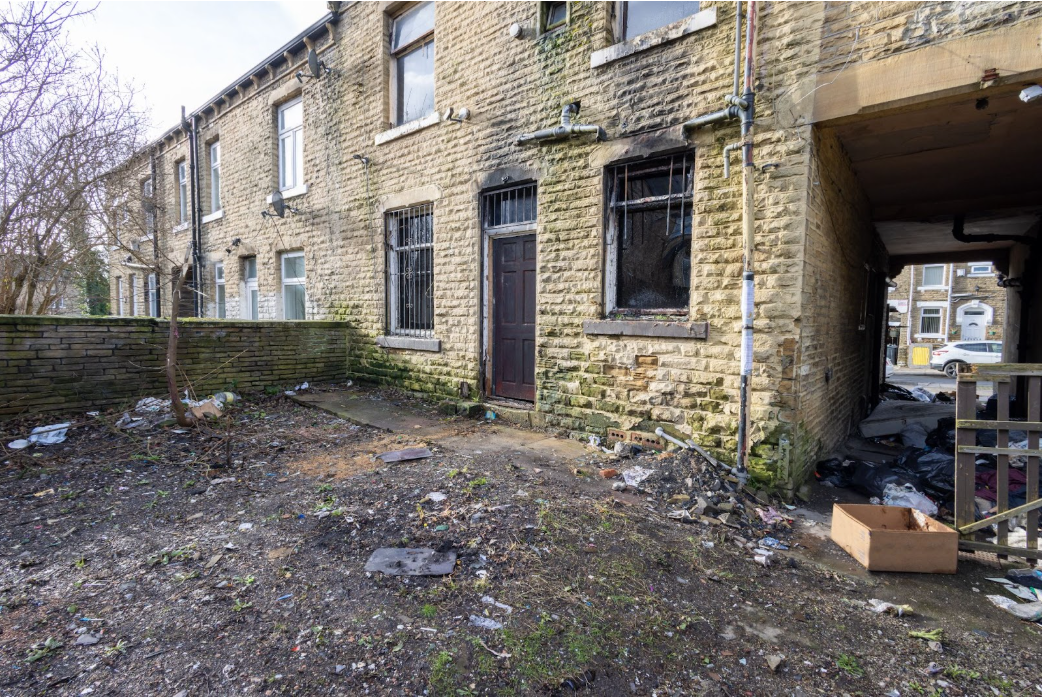
Property neglect refers to conditions that make a space unsafe for people who are allowed to be there. This includes failure to repair known hazards, poor maintenance of walkways, damaged stairs, or slippery surfaces that occur without warning.
Neglect can also involve leaving hazards unmarked or failing to address long-standing issues. The law looks at whether the property was kept in a reasonably safe condition, not whether the owner intended harm.
Why Maintenance Is a Legal Duty?
Property owners and managers have a duty to keep their premises safe for visitors. This duty exists because visitors assume that basic safety measures have been taken. If a hazard is predictable and preventable, ignoring it can expose you to legal liability.
In premises liability cases, the focus is often on whether the owner knew or should have known about the danger and failed to act.
Common Hazards That Lead to Legal Claims
Physical Property Defects
Many legal claims arise from simple physical defects that go unaddressed. Uneven flooring, broken steps, loose carpets, and cracked pavement are common examples. These hazards develop over time and are often noticed by staff or residents before an injury occurs. Failing to repair them suggests neglect rather than accident.
Environmental and Safety Failures
Environmental conditions also create risk. Poor lighting in parking areas or stairwells reduces visibility and increases the chance of falls. Inadequate security measures can expose visitors to harm that could have been prevented. These failures show a lack of reasonable care, which the law takes seriously.
How Neglect Becomes Legal Liability?
Knowledge of the Hazard
Legal exposure grows when a property owner has knowledge of a hazard. This can be actual knowledge, such as prior complaints or reports, or constructive knowledge, meaning the hazard existed long enough that it should have been discovered through routine inspections. Courts often examine whether reasonable inspections were performed and whether the danger was obvious.
Failure to Act or Warn
Once a hazard is known, action is expected. Delaying repairs or ignoring safety complaints increases liability. Even temporary measures, such as warning signs or barriers, can reduce risk. Failure to warn visitors about known dangers often strengthens claims that neglect caused the injury.
Injuries Linked to Property Neglect
Typical Injury Types
Neglected properties often lead to slip and fall injuries, which can result in broken bones, head trauma, or back injuries. These injuries may require long recovery periods and ongoing medical care. The seriousness of the injury often influences how closely the property owner’s actions are examined.
Financial and Legal Impact of Injuries
Injuries bring financial strain through medical bills, lost income, and rehabilitation costs. From a legal perspective, these losses become part of the claim. The greater the impact on the injured person, the more attention is placed on whether the property owner’s neglect played a role.
Proving Legal Exposure in a Premises Claim
Evidence That Supports Liability
Strong claims rely on evidence. Maintenance logs, inspection reports, and repair records help show whether the property was properly cared for. Photographs of the hazard and witness statements can demonstrate how long the condition existed.
Role of Timing and Documentation
Timing matters; a hazard that existed for weeks or months suggests ongoing neglect rather than a sudden issue. Incident reports created shortly after an injury also carry weight. Clear documentation helps establish that the unsafe condition was present and unaddressed.
Who Can Be Held Responsible?
Property Owners and Occupiers
Responsibility often begins with property owners, but it can extend to anyone who controls the space. Residential owners, commercial landlords, and property managers may all be involved. Legal responsibility depends on who had the authority to fix the problem or warn visitors.
Third Parties With Control Over Safety
In some cases, third parties share responsibility. Maintenance companies, cleaning services, or security providers may have safety-related duties. If their failure contributes to an unsafe condition, they may also face legal exposure.
Preventing Legal Exposure Through Proper Care
Risk Reduction Measures
Preventing legal exposure starts with consistent care. Reasonable steps include regular inspections, prompt repairs, and clear warnings when hazards cannot be fixed immediately. These actions show attention to safety and reduce the chance of injury.
- Conduct routine property inspections.
- Address hazards without delay.
- Document repairs and safety efforts.
Legal Awareness for Property Owners
Understanding legal duties helps owners respond appropriately. Awareness of safety responsibilities encourages better decisions and reduces long-term risk. Prevention is often less costly than defending a claim built on neglect.
Wrap Up!
Premises liability cases often arise when property neglect turns routine visits into preventable injuries. The law places clear responsibility on property owners and occupiers to maintain safe conditions and address hazards that could reasonably cause harm. When these duties are overlooked, legal accountability follows.
Understanding premises liability is not just about knowing the rules. It is about recognizing how everyday maintenance decisions can affect safety, injury claims, and long-term legal exposure. Proactive upkeep, timely repairs, and proper documentation remain central to reducing risk and protecting both visitors and property owners.