How Residential IPs Help You Avoid Online Restrictions
Ever felt frustrated when a website blocks your access or a streaming service won’t play your favorite show? Millions face these online restrictions daily for various reasons. However, residential IPs provide a trustworthy solution. Assigned by ISPs to real households, they let you browse as if you’re in another country or region, but there is more to them! Therefore, this article covers how residential IPs work and why they’re the preferred tool for bypassing online barriers without triggering alarms.
How Residential IPs Differ From Other Proxy Types
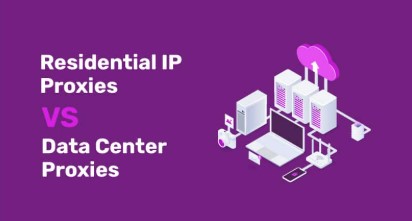
Since these IPs originate from actual home addresses with internet contracts, this proves key in differentiating residential IPs from datacenter IPs. With residential IPs, the internet connection originates from a home network, making your data stream appear as though it comes from a regular household rather than a business or server farm.
With them, all your activities seem real. On the other hand, datacenter proxies tend to quickly set off security barriers because the IPs are straightforward to identify and link to known computing centers worldwide.
Why Websites Impose Online Restrictions
Websites and online services restrict access for several reasons. They might prevent users from certain countries because of licensing agreements, to enforce local pricing, or to ensure legal compliance.
Streaming services, e-commerce websites, and even news publishers apply geo-blocking to limit access to their content. In some cases, entire websites become unavailable in certain areas. These blocks depend on users’ IP addresses and their geographic coordinates. If your IP is not from an allowed region, you cannot use the service.
How Residential IPs Bypass Geo-Restrictions
A residential IP like those offered by CometVPN can route your internet traffic through a real home connection in your target region. For example, if you want to watch a show only available in the United States, you connect through a residential IP based there. The website sees a request from a US household and grants access. Because ISPs give out these IPs to real users, they blend in with normal traffic and bypass detection.
Common Mistakes and How to Avoid Them
Mistakes during the setup or use of residential IPs are quite common among users. Some may pick bad providers, others may overstay on the same IP, while others may pay no attention to legality. To avert these issues, always choose a reputable provider, set routines in place to rotate your IPs frequently, and observe local laws applicable to your area.
The Advantages of Using Residential IPs
Residential IPs offer several benefits for users who want to avoid online restrictions. For example:
- Detection Avoidance: Websites have more trouble differentiating between your traffic and that of actual users, which decreases the likelihood of blocking.
- Enhanced Access: You gain access to streaming platforms, shopping websites, and news services limited to specific countries.
- Increased Security: Your location and IP address remain concealed, ensuring lower chances of being tracked and hacked.
- Bypass Censorship Filters: For restricted sites, you can use a residential IP address in a different region to regain access.
Setting Up a Residential IP Proxy
Getting started with a residential IP proxy is straightforward. First, choose a trusted provider. A good choice is BestProxy, which offers over 80 million residential IPs from 200+ countries and regions, providing users with fast, stable, and secure connections. Once you subscribe, the provider will give you access to a pool of residential IPs. After picking the region you wish to connect to, you’ll be provided with an IP to route your requests. Many providers offer user-friendly apps or browser extensions to simplify this process. After setup, your internet activity will appear to originate from a real home in your chosen location.
Practical Uses for Residential IPs
You can use residential IPs for a variety of purposes beyond just accessing blocked content. Businesses use them for market research, ad verification, and competitive analysis. Individuals benefit from accessing local news, exclusive deals, and region-specific services. Web scrapers and researchers also rely on residential IPs to gather data without being blocked or detected.
Legal and Ethical Considerations
Even though residential IPs offer great options for sidestepping limitations, you must use them responsibly. Many websites and services have restrictions against proxies in their terms of service. Look up the policies of the platforms that you wish to access. Do not attempt to engage in unlawful activities or inflict harm using residential IPs. Prudent usage allows one to remain legally compliant while respecting the rights of the content providers.
Conclusion
Users searching for total internet freedom appreciate the unrivaled anonymity and security that residential IPs provide. These two aspects are vital in enabling users to access worldwide content and services. Having the right provider and adhering to respectful legal use opens up a vast domain of online prospects with these tools. Residential IPs grant boundless access no matter the reason — research, personal use, or business.