How Smart Manufacturing Is Revolutionizing Production
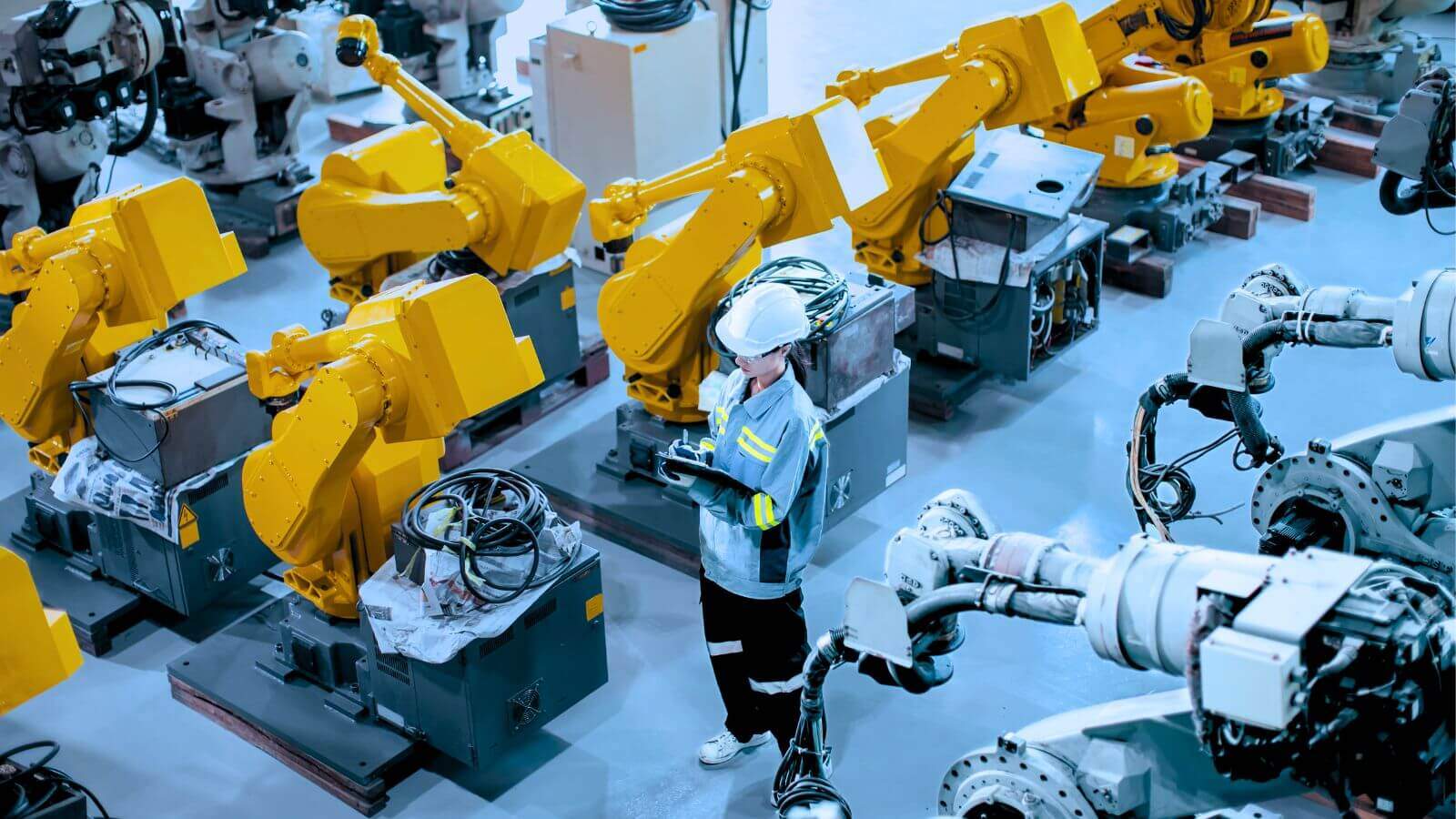
The manufacturing industry is undergoing a seismic transformation. Traditional factories, once reliant on manual processes and labor-intensive workflows, are now rapidly integrating automation, artificial intelligence (AI), and data analytics to enhance their operations. This shift to smart manufacturing is not just about upgrading machines; it’s about building a connected, efficient, and intelligent production ecosystem.
Smart manufacturing leverages technologies such as the Internet of Things (IoT), robotics, and machine learning to streamline operations, reduce waste, and increase productivity. One of the most crucial components of this transformation is the integration of quality inspection software. This intelligent tool ensures that products meet rigorous standards at every stage, minimizing defects and maximizing customer satisfaction.
From Sensors to Systems: Real-Time Data is the New Gold
At the heart of smart manufacturing is real-time data. Sensors embedded in machines collect data on temperature, pressure, speed, and more, transmitting this information to centralized systems for immediate analysis. This continuous data stream empowers operators and engineers to make informed decisions quickly.
For example, predictive maintenance uses historical and real-time data to foresee equipment failures before they occur. This minimizes downtime, increases productivity, and significantly reduces costs. Furthermore, data integration across departments allows seamless communication between design, production, and quality assurance teams.
Automation and AI: The Brain Behind the Machines
While data acts as the nervous system of a smart factory, AI and automation serve as its brain. AI algorithms analyze massive data sets to identify patterns, optimize production schedules, and even autonomously adjust machinery to enhance performance. This leads to improved product consistency and faster turnaround times.
Robotics also plays a critical role. Automated Guided Vehicles (AGVs) transport materials, collaborative robots (cobots) assist human workers, and robotic arms perform high-precision tasks that were once impossible with manual labor alone. These systems not only boost efficiency but also enhance worker safety by reducing exposure to hazardous environments.
Intelligent Inspection: Ensuring Excellence at Every Step
One of the most impactful innovations in smart manufacturing is the evolution of quality control. Traditional inspection methods often relied on human vision and judgment, which could be inconsistent and prone to error. Enter advanced quality inspection software, which uses machine vision and AI to detect defects in real time with astonishing accuracy.
By incorporating image recognition, pattern analysis, and deep learning, this software can quickly identify imperfections, whether on a phone screen or a circuit board, and flag them accordingly. Unlike manual inspection, it doesn’t tire, and its precision improves over time as it learns from more data.
Incorporating such tools early in the production process ensures that defective products are identified before they reach later stages or, worse, the customer. This proactive approach enables companies to reduce returns, lower costs, and maintain a strong brand reputation.
Human and Machine Collaboration: The New Workforce
Smart manufacturing doesn’t aim to replace humans; it seeks to empower them. With machines handling repetitive, high-risk tasks, human workers can focus on strategic thinking, innovation, and system management. The factory of the future is one where technicians are skilled in interpreting data, managing AI systems, and troubleshooting complex machines.
Training programs and upskilling initiatives are essential to this transition. As companies adopt new technologies, they must also invest in developing a tech-savvy workforce capable of leveraging these tools to their fullest potential.
Sustainable and Scalable: Building the Factories of Tomorrow
Beyond productivity and precision, smart manufacturing also supports sustainability. Intelligent energy management systems reduce power consumption by optimizing machine usage. Automated inventory systems minimize overproduction and waste. These sustainable practices are not only environmentally responsible but also economically advantageous.
Scalability is another major benefit. With modular software and adaptive machinery, smart factories can scale production up or down based on demand, without the need for massive reinvestment. This flexibility enables manufacturers to respond more effectively to market trends, customer preferences, and global disruptions.
Conclusion
The transformation brought by smart manufacturing is no longer a distant vision; it’s happening now. Industries ranging from automotive to electronics, as well as pharmaceuticals and food processing, are adopting intelligent systems to stay competitive and meet rising quality expectations.
As part of this revolution, the integration of quality inspection software continues to play a pivotal role in ensuring excellence, efficiency, and innovation. By embracing smart technologies today, manufacturers are not only improving their current operations but also building a resilient, future-ready foundation.
Whether you’re a production manager, a quality engineer, or a tech-savvy business leader, understanding and investing in this new wave of intelligent tools and systems is no longer optional; it’s essential.