How Superfoods Can Support Stress Relief and Mood Balance
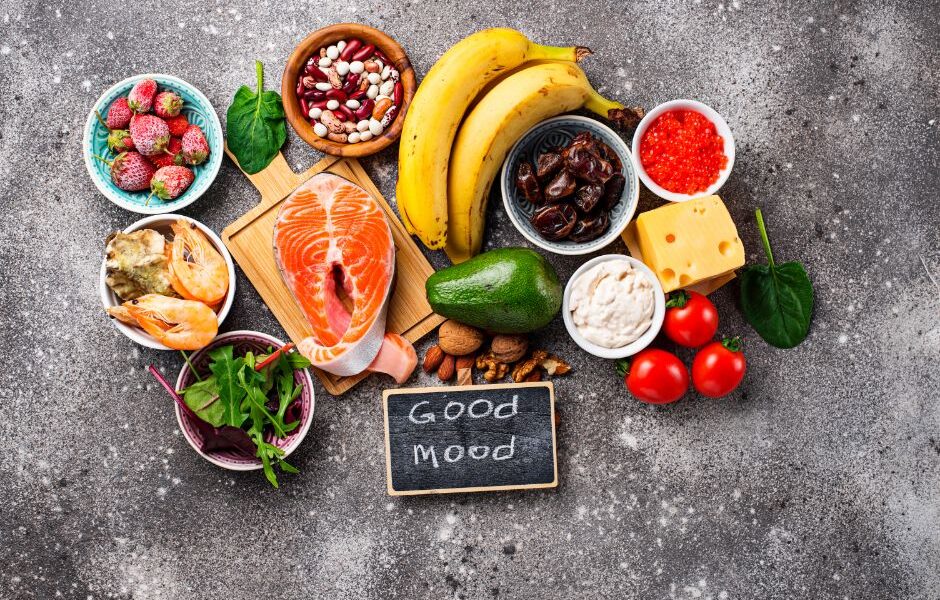
Modern life can feel overwhelming. Between work deadlines, family responsibilities, and the constant stream of world events, stress seems to be our unwanted companion. And while a little stress now and then is perfectly normal (it’s actually kept humans alive for millennia), the chronic kind wreaks havoc on our bodies and minds. We’re talking about everything from persistent anxiety and depression to weakened immunity and heart problems.
The Science Behind Stress and Nutritional Support
Ever wonder what’s actually happening in your body during a stressful moment? It’s a fascinating (and complex) chain reaction involving hormones and brain chemicals, primarily orchestrated by something called the hypothalamic-pituitary-adrenal axis. This system releases cortisol, adrenaline, and other stress hormones to help you respond to threats. But here’s where things get tricky: when stress becomes chronic, these systems go haywire. Cortisol levels stay elevated, which then interferes with the production of neurotransmitters like serotonin and dopamine, the chemicals responsible for keeping your mood steady and positive.
This is where superfoods really shine. They’re essentially concentrated packages of the nutrients your body craves during stressful times, B vitamins, magnesium, vitamin C, omega-3 fatty acids, and adaptogenic compounds that help bring your stress response back into balance. Research backs this up convincingly: studies have shown that targeted nutritional support can meaningfully reduce how stressed people feel, improve mood measurements, and build greater emotional resilience. Think of it this way; by feeding your body the raw ingredients it needs to manufacture stress-buffering hormones and neurotransmitters. Superfoods become foundational pillars for mental health.
Adaptogenic Superfoods for Stress Resilience
Adaptogens deserve special attention because they’re genuinely unique in the plant world. Traditional medicine systems have relied on these botanical powerhouses for centuries to help the body adapt to various stressors and restore balance. What makes them so special? Plants like ashwagandha, rhodiola, holy basil, and maca root contain bioactive compounds that actually modulate how your stress response system operates, supporting adrenal function and helping normalize cortisol patterns throughout your day. Clinical research has validated what traditional healers knew all along, regular consumption of these herbs can ease stress-related symptoms, sharpen cognitive performance when you’re under pressure, boost physical endurance, and even improve sleep quality.
Take ashwagandha, for example. It’s been extensively studied and consistently shown to lower cortisol levels and reduce anxiety scores while improving overall wellbeing in stressed individuals. Rhodiola rosea, on the other hand, seems particularly effective at combating the fatigue and mental fog that come with chronic stress, making it especially valuable for anyone experiencing burnout. What’s truly remarkable about adaptogenic superfoods is their “bidirectional activity”, a fancy way of saying they can both calm an overactive stress response and energize a depleted system.
Mood-Boosting Nutrients in Everyday Superfoods
Beyond the specialized adaptogens, plenty of accessible superfoods pack essential nutrients that directly support neurotransmitter production and brain health. Dark leafy greens like spinach and kale aren’t just trendy salad ingredients; they’re loaded with folate and magnesium, both absolutely critical for serotonin synthesis and healthy nervous system function. Plus, their impressive antioxidant content protects brain cells from oxidative damage. Fatty fish such as salmon and sardines deliver omega, 3 fatty acids (EPA and DHA specifically), which get incorporated into brain cell membranes and have been shown in numerous studies to reduce symptoms of depression and anxiety.
Fermented food deserves a spotlight too. Kimchi, sauerkraut, and yogurt support what scientists call the gut-brain axis by promoting healthy microbiome diversity, which influences mood through neurotransmitter precursor production and inflammation regulation. Berries, particularly blueberries and blackberries, contain anthocyanins and other polyphenols that actually cross the blood-brain barrier to reduce neuroinflammation and support cognitive function. For professionals juggling demanding workdays who need sustained mental clarity and balanced energy, Maca Team provides high-quality adaptogenic options that deliver consistent support. And don’t overlook nuts and seeds; walnuts, pumpkin seeds, and chia seeds provide tryptophan, zinc, and selenium, all essential cofactors in neurotransmitter metabolism and mood regulation. By consistently weaving a variety of these nutrient-dense foods into meals and snacks, you’re creating a dietary foundation that naturally supports emotional balance and mental sharpness.
The Gut-Brain Connection and Probiotic Superfoods
Here’s something that might surprise you: emerging research has completely transformed how we understand mental health by revealing the profound link between digestive health and emotional wellbeing. Scientists call it the gut-brain axis, and it’s pretty mind-blowing when you dig into it. Your gut microbiome actually produces roughly ninety percent of your body’s serotonin and communicates directly with your brain through the vagus nerve, immune signaling molecules, and metabolic byproducts that influence mood and cognition. When gut health takes a hit, whether from poor diet, chronic stress, or antibiotic use, this communication system gets disrupted, potentially contributing to anxiety, depression, and mood instability.
Probiotic-rich superfoods support mental health by introducing beneficial bacteria that restore microbiome balance, reduce intestinal inflammation, and optimize neurotransmitter production. Fermented vegetables like kimchi and sauerkraut contain diverse strains of lactobacilli and other beneficial microorganisms, along with digestive enzymes and highly bioavailable nutrients. Kefir, that tangy fermented dairy product, provides multiple probiotic strains plus calcium and B vitamins that further support nervous system health. Kombucha offers probiotics alongside organic acids and antioxidants that support detoxification and cellular health.
Antioxidant-Rich Superfoods for Brain Protection
Chronic stress doesn’t just feel bad, it generates excessive free radicals and oxidative damage throughout your body. Your brain is particularly vulnerable because of its high metabolic rate and lipid-rich composition. This is where antioxidant-rich superfoods become crucial protectors, helping preserve neuronal function, maintain healthy neurotransmitter levels, and reduce inflammation that can contribute to mood disorders. Cacao, especially in its raw or minimally processed forms, contains high concentrations of flavonoids that enhance blood flow to the brain, promote neuroplasticity, and stimulate the release of endorphins and other feel-good chemicals.
Matcha green tea provides L-theanine, an amino acid that promotes relaxation without making you drowsy while delivering powerful catechins that protect brain cells from damage. Turmeric contains curcumin, a potent anti-inflammatory compound that’s shown real promise in treating depression and anxiety by modulating neurotransmitter levels and promoting brain-derived neurotrophic factor production. Goji berries offer unique polysaccharides and carotenoids that support neuroprotection and may enhance mood and feelings of wellbeing. Acai berries provide exceptional antioxidant capacity along with omega fatty acids that support brain cell membrane integrity.
Practical Strategies for Incorporating Stress-Relief Superfoods
Knowing about superfoods is one thing, but actually incorporating them into your daily routine is another challenge entirely. Successfully leveraging these foods for stress relief and mood balance requires thoughtful integration into your eating patterns rather than sporadic consumption or putting all your eggs in one superfood basket. Start by identifying two or three superfoods that genuinely appeal to your taste preferences and fit your lifestyle, then build consistent habits around eating them. Maybe that’s starting each day with a berry and spinach smoothie or winding down with a cup of adaptogenic tea.
Meal prep becomes your best friend here. Try batch-cooking fermented vegetables, preparing superfood energy balls with nuts and cacao, or making a large portion of salmon to use throughout the week. These strategies remove barriers to regular consumption when life gets hectic. Consider creating a weekly rotation that exposes you to diverse nutrients rather than eating the same superfoods every single day, this maximizes nutritional benefits while preventing dietary boredom.
Conclusion
The connection between what we eat and how we feel represents one of the most exciting developments in integrative wellness, offering practical and empowering tools for managing stress and supporting emotional balance. When we understand how superfoods influence the biochemical systems governing our stress response and mood regulation, we can make informed dietary choices that build resilience from within. It’s important to note that while superfoods are incredibly valuable, they’re not a substitute for professional mental health care when that’s what’s needed. Rather, they provide powerful nutritional support that enhances our natural capacity to cope with life’s inevitable challenges.