
How the Indianapolis Colts Are Handling Their Midseason Rebuild
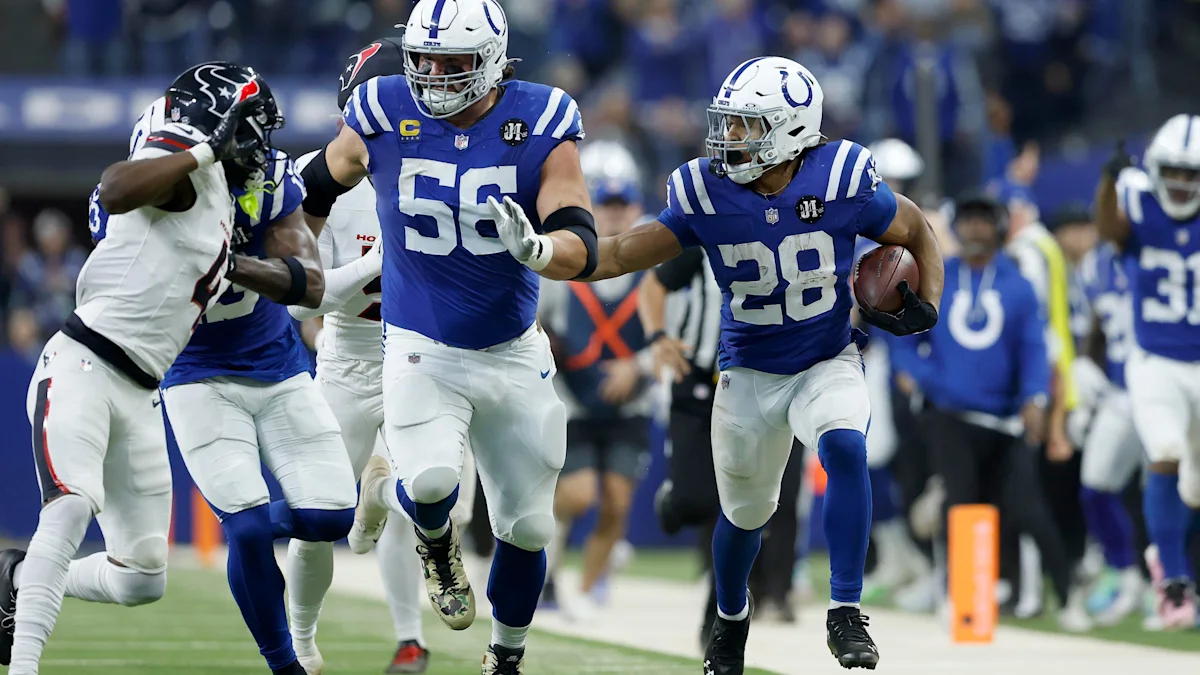
A year ago, Indianapolis was dreaming big. The Colts went into their 2025 bye at 8-2, and a first Super Bowl trip since the 2009 season (Super Bowl XLIV in February 2010) looked possible. Then they lost seven straight, finished 8-9 and missed the playoffs.
The 2026 season has been worse. Through Week 11 the Colts are 3-8, and the 26-3 loss at Houston on Thursday night, November 19, was the low point. Daniel Jones completed 12 of 27 passes for 144 yards with an interception, and Anthony Richardson replaced him for the final minutes. The next day, the Colts waived Jones and named Richardson the starter.
Moving On From Daniel Jones
The move ended a turbulent spell. Jones, 29, had a strong start to 2025 before playing through a fractured fibula and then tearing his Achilles against Jacksonville on December 7, 2025. He signed a two-year, $88 million extension in March, but he never found that early-2025 form again. He went 3-8 as a starter this year with 1,974 passing yards, seven touchdowns and a league-high 13 interceptions, and Thursday’s game added to his long-running struggles in prime time.
Head coach Shane Steichen called it “a decision that was just made for the best interest of both parties” and praised Jones as “the ultimate competitor, ultimate teammate.” The timing has drawn criticism. Indianapolis reportedly turned down trade interest in Jones from Baltimore and Minnesota before the deadline. CBS Sports estimates that he will now count about $35.2 million in dead money against the 2027 cap if he clears waivers.
Richardson, the No. 4 pick in 2023, will make his first start since 2024 when the Giants visit Lucas Oil Stadium on Sunday. He is 8-7 as a starter, and is in the last year of his rookie contract. In February, he and the team agreed to look for a trade, but no deal came together. The final six weeks are effectively an audition. DraftKings’ NFL game lines list the spread, moneyline and total for Giants-Colts and the rest of Week 12, which gives a snapshot of how the market views Indianapolis with Richardson under center. Lines move and are not predictions. If you bet, do it only where it’s legal (21+ in most states), set limits, and call 1-800-GAMBLER if you need help.
Beginning the Rebuild
The rebuild officially began when the Colts fired general manager Chris Ballard on October 19, the day after a home loss to the previously winless Titans. Steichen was kept on, though ESPN noted that his seat “remains quite hot.” Owner Carlie Irsay-Gordon said that making the change midseason was deliberate, because “waiting would only delay the important work that needs to begin now.”
The trade deadline approach was to turn expiring contracts into draft picks. All four players the Colts traded were in the final year of their deals. Other important players stayed:
- Jonathan Taylor. The Colts rejected offers that reportedly included a 2027 second-round pick plus another selection. Taylor is signed through 2028 after a two-year, $44 million extension in August, and Indianapolis appeared to want a first-round pick. Critics, including CBS Sports, argue that the deadline was the moment to sell, because a running back’s trade value rarely goes up.
- Adetomiwa Adebawore. On November 3, the defensive tackle signed a two-year extension through 2028, reported at $35 million. He has been one of the team’s most disruptive players this season, and the deal gives the next GM a young piece on the defensive line.
The Deadline Deals
- G Quenton Nelson to Seattle for a 2027 third-round pick and a 2028 fifth. Nelson is 30, on an expiring deal and one of the best guards of his generation, so this is the biggest loss. Indianapolis didn’t have much leverage.
- DT DeForest Buckner to San Francisco for a 2027 fourth-round pick. Buckner is 32 and will be well into his 30s by the time the Colts expect to contend again.
- WR Keenan Allen to San Francisco for a 2027 sixth-round pick. That’s a reasonable return for a 34-year-old receiver on an expiring contract.
- WR Josh Downs to Kansas City. Downs and a 2027 seventh-round pick went to the Chiefs for 2027 fourth- and fifth-round picks.
What the Draft Haul Looks Like
The four trades brought back six picks and cost one (the 2027 seventh). Based on those deals, the next general manager should have 10 picks in the 2027 NFL Draft and eight in 2028. Compensatory picks for free agents lost in the 2026 offseason could add to that, but the league won’t award those until the spring.
The missing piece is a first-rounder. The Colts sent their 2027 first to the Jets in last year’s Sauce Gardner trade. Tankathon’s draft order currently puts that pick at No. 4, so the Colts get no benefit from a poor record. The rebuild will have to come mostly from Day 2 and Day 3 picks, or from trades that move up.
Key Weaknesses
Quarterback is the first problem. Jones was the No. 6 pick in 2019, and his career has been a mix of brief highs and long, injury-hit lows. The Colts’ fast start in 2025, when they became the first team in NFL history to score on their first 10 possessions of a season, was the high point. Richardson now has six games to show he belongs in the plans. Riley Leonard, a 2025 sixth-round pick from Notre Dame, is the other young option. Neither has shown yet that he can be the quarterback the team builds around, and the Colts won’t have a first-round pick to find one.
The deadline sales also left holes on the interior offensive line, at defensive tackle and at wide receiver, all of which need replacing. Then there’s the leadership question. A new general manager will be hired, and Steichen’s future is still undecided. Who makes those decisions will shape this rebuild as much as any draft pick.