How to Buy Wholesale Clothing in Bulk Without Overstocking
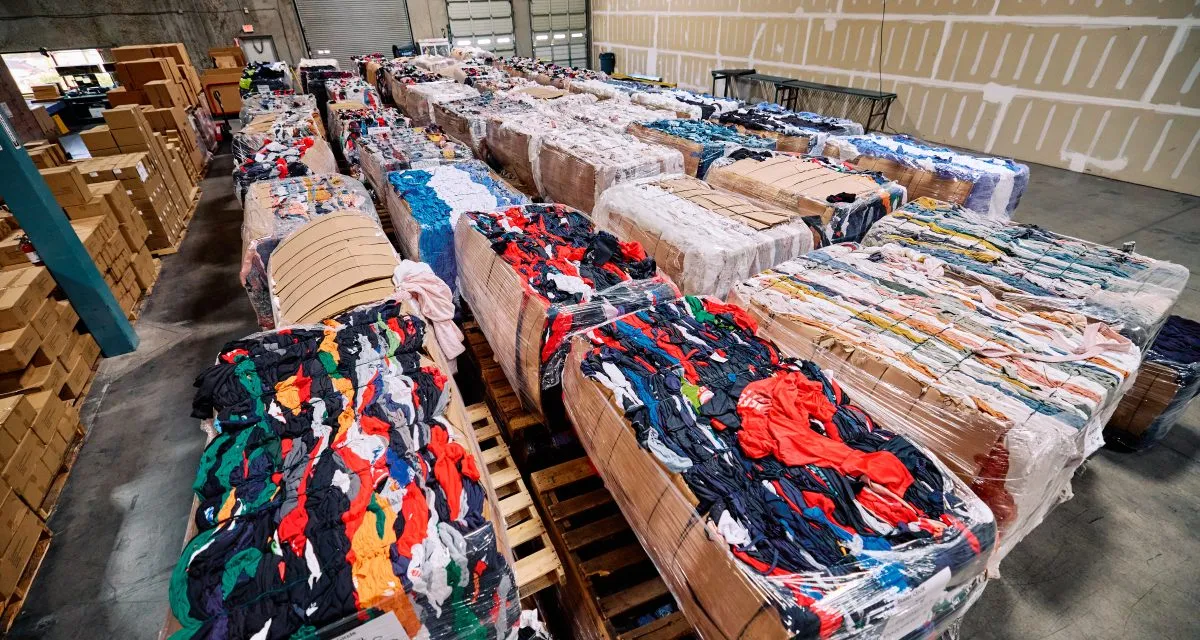
One of the most common challenges for boutique owners and retail brands is finding the sweet spot between ordering enough inventory to stay in stock and avoiding the cash flow drain of unsold merchandise. When you buy wholesale clothing in bulk, the stakes are high. Order too little and you miss sales opportunities. Order too much and you are stuck with markdowns that eat into your margins.
In 2026, smarter wholesale buying is possible with the right strategy. This guide covers practical approaches to bulk apparel purchasing that minimize overstock risk while keeping your store consistently well-stocked.
Why Overstocking Is Such a Common Problem
Most overstock situations are not caused by bad taste. They are caused by poor planning. Boutique owners often feel pressure to commit to larger order quantities to hit supplier minimums or secure better per-unit pricing. The result is inventory that sits on shelves long after a trend has passed.
Overstocking creates several knock-on problems:
- Capital gets tied up in slow-moving goods instead of fresh inventory
- Storage space becomes limited, reducing your ability to bring in new styles
- Markdowns destroy the margin advantage that bulk pricing was supposed to deliver
The solution is not to avoid buying in bulk. It is to buy in bulk more strategically.
Start with Your Bestselling Basics
The safest items to buy in large quantities are the ones you know will sell regardless of trend cycles. Basics such as plain tees, hoodies, joggers, and solid-color polo shirts have consistent demand across seasons and customer demographics.
Building your bulk buying strategy around these evergreen items gives you a stable inventory foundation. For businesses that customize apparel, high-quality blank styles are an especially smart bulk investment. For example, sourcing polyester shirts in bulk for printing gives you a versatile canvas for sublimation, screen printing, or heat transfer decoration that can be customized per order rather than pre-committing to a single finished design.
Use Small Batch Orders to Test New Styles
For trend-driven or seasonal styles, small-batch wholesale apparel purchasing is the smartest approach. Rather than committing to 200 units of a new silhouette, place a test order of 24 to 48 units. Let the sell-through rate guide your decision about whether to reorder.
This approach requires working with suppliers who offer flexible minimums. Increasingly, wholesale apparel distributors are accommodating smaller initial orders specifically to attract boutique buyers who want to test before scaling. Prioritize suppliers who allow mixed sizes within a style and offer open-pack ordering.
Build a Demand Forecast Before You Order
Wholesale inventory management starts well before you place an order. A basic demand forecast will significantly reduce your overstock risk. Look at the following data points before committing to any bulk purchase:
- Historical sales velocity for similar styles and categories
- Sell-through rate from your last comparable seasonal order
- Current trends on social media and among your target customer base
- Forward-looking calendar events that drive demand, such as holidays or local festivals
Even a simple spreadsheet tracking units sold per week can give you the data you need to make smarter buying decisions.
Leverage In-Season Wholesale Buying
One of the most significant shifts in wholesale apparel purchasing in recent years is the move toward in-season buying. Rather than placing large pre-season orders months in advance, boutique owners are increasingly placing smaller, more frequent orders that align with current customer demand.
In-season wholesale buying reduces forecasting risk dramatically. You are ordering what is already selling rather than betting on what might sell three months from now. The tradeoff is that per-unit prices may be slightly higher, and some styles may be limited in availability. However, for most boutiques, the reduction in markdown pressure more than compensates.
To take advantage of in-season buying, prioritize suppliers who carry standing inventory in domestic warehouses and can ship within two to five business days.
Negotiate Flexible Reorder Terms
When establishing new supplier relationships, negotiate terms that allow you to reorder quickly without requiring large minimum commitments on subsequent orders. A supplier who lets you reorder 24 units of a proven bestseller is more valuable than one requiring a 144-unit minimum,m even for proven styles.
Also ask about vendor-managed inventory programs, where the supplier holds stock on your behalf, and you draw from it as needed. Not all suppliers offer this, but it is increasingly available among larger wholesale apparel distributors.
Use Volume Discounts Strategically
Bulk pricing tiers are one of the key advantages of wholesale purchasing. However, chasing a lower per-unit cost can lead to overcommitting on styles that do not sell. Use volume discounts strategically by applying them only to products with a proven track record.
A useful rule of thumb: apply bulk pricing to your top 20% of bestselling SKUs and maintain flexibility on everything else. This keeps your cost structure efficient without locking capital into uncertain inventory.
Monitor and Act on Inventory Velocity
Once inventory is on hand, active wholesale inventory management is essential. Track how quickly each style is selling. If a new item is not moving within the first three to four weeks of hitting the floor, take action early: promote it, bundle it, or mark it down before it becomes a full overstock problem.
Early intervention on slow movers preserves more margin than deep clearance discounts later. Build this discipline into your buying cycle from the start.
Final Thoughts
Learning to buy wholesale clothing in bulk without overstocking is a skill that develops over time with data and discipline. Start with proven basics, use small batch orders to test new styles, embrace in-season buying, and build supplier relationships that offer genuine flexibility.
For businesses looking to streamline their wholesale apparel sourcing, working with a supplier like Apparel O Clock that offers a wide range of quality blank apparel at competitive bulk pricing is an excellent foundation for a smarter inventory strategy.