How to Choose the Best Blood Glucose Monitor for Accurate Diabetes Management
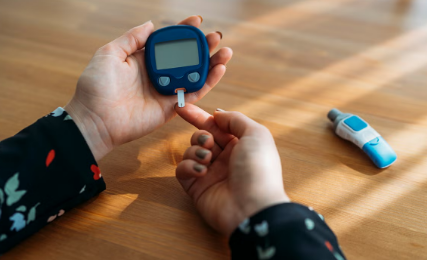
Accurate diabetes management is crucial for individuals living with diabetes. A reliable blood glucose monitor plays a vital role in achieving this goal. With numerous options available in the market, selecting the most suitable device can be challenging. This article provides essential insights into choosing the best blood glucose monitor to suit your individual needs.
Understanding Your Diabetes Management Goals
Before selecting a blood glucose monitor, it is important to understand your specific diabetes management goals. These can vary depending on whether you are managing Type 1 or Type 2 diabetes, monitoring for gestational diabetes, or using the device for another purpose. Identifying your primary objectives will guide your choice.
Features to Consider in a Blood Glucose Monitor
When evaluating blood glucose monitors, consider various features including the meter’s accuracy and precision, the ease of obtaining blood samples, and the size of the sample required.
Accuracy and Precision
The accuracy of a blood glucose monitor is paramount. Look for devices that are ISO compliant, indicating they have passed accuracy standards. Diabetic patients rely on precise readings to make informed health decisions, so precision is equally important.
Sample Size
The required blood sample size is also a key factor. Some devices necessitate larger samples which can be more painful and inconvenient, whereas others require only a minimal drop of blood, easing the testing process.
User-Friendly Interfaces and Connectivity
The interface of the blood glucose monitor should be straightforward and easy to navigate. Modern devices often come equipped with digital displays, memory for storing previous readings, and sometimes even connectivity options such as Bluetooth for synchronising data with apps on smartphones or computers.
Portability and Device Size
For individuals who are always on the go, the portability of a blood glucose monitor is significant. Compact and lightweight models are ideal for travel, ensuring that you can manage your diabetes effectively wherever you are.
Test Strips and Costs
Consider the availability and cost of test strips for the blood glucose monitor you choose. Test strips can represent an ongoing cost, so finding a system with affordable and readily available strips is crucial for sustained management.
Insurance and Reimbursement Options
Check whether the blood glucose monitor and its test strips are covered by your insurance. Reimbursement can significantly offset the cost of diabetes management.
Consultation with Healthcare Professionals
Always consult with healthcare professionals when choosing a blood glucose monitor. They can provide personalised recommendations based on your unique health profile and lifestyle requirements.
Reading User Reviews and Testimonials
Reading user reviews and testimonials can provide insights into the reliability and performance of different blood glucose monitors. Real-world experiences from other users can highlight both the strengths and weaknesses of various models.
Manufacturers and Warranties
Ensure the blood glucose monitor comes from a reputable manufacturer and check the warranty terms. Warranties can offer assurance regarding the quality and reliability of the device.
Final Thoughts
Choosing the right blood glucose monitor involves balancing accuracy, convenience, and cost. By considering the features outlined above, users can select a device that will aid in effective and accurate diabetes management. A well-chosen monitor empowers individuals to maintain better control over their health, contributing to improved long-term outcomes.