How TV Games Turn Viewing Into Active Play
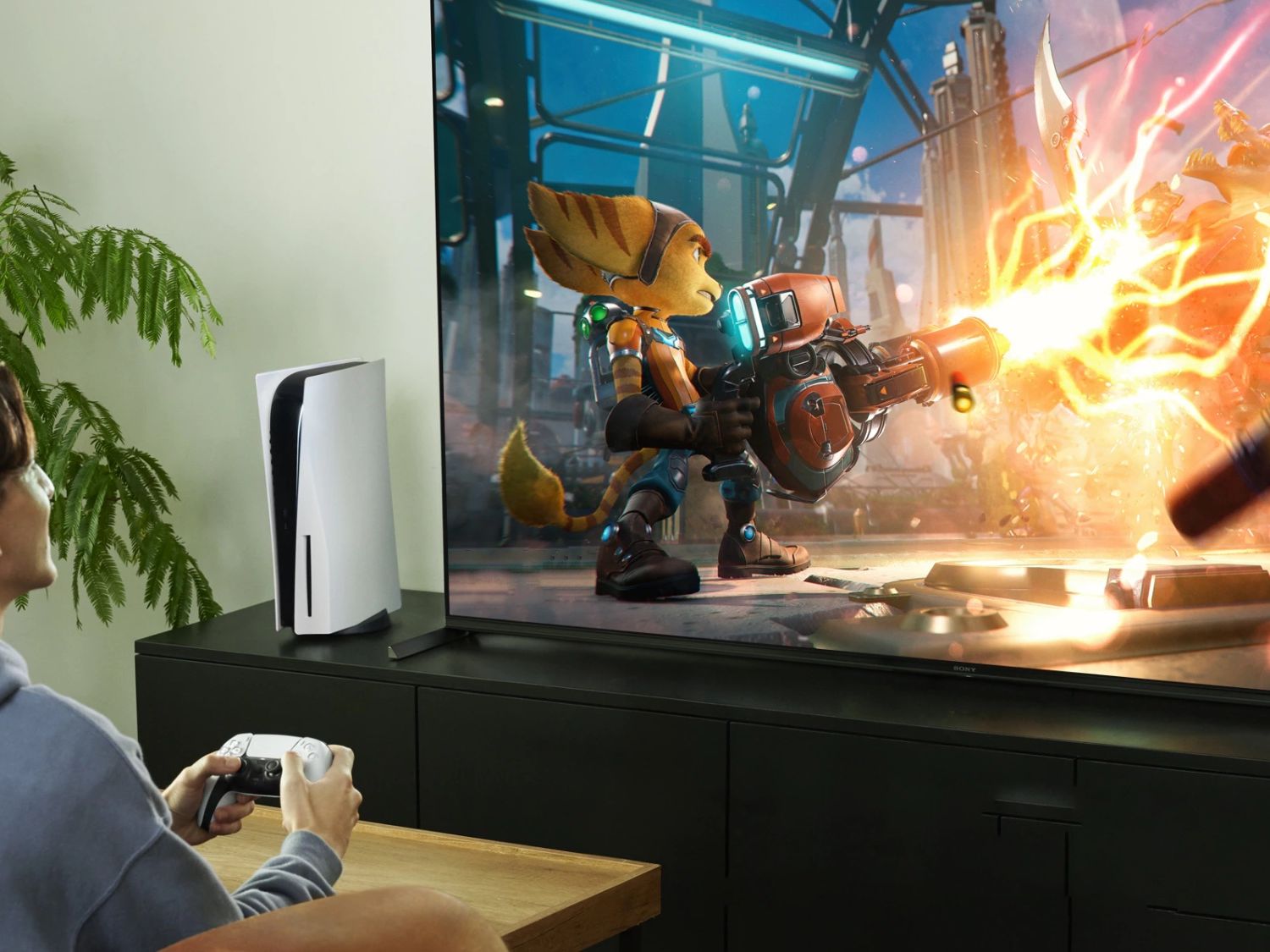
TV games sit between broadcast entertainment and casino play. A presenter, a simple set, and a stream of short rounds make them feel like familiar quiz shows, yet behind the scenes they run on the same regulated infrastructure that powers online betting. For viewers who already browse sports or casino apps on a phone, these formats create a bridge – the show becomes a place where choices, odds, and results arrive quickly enough to stay interesting on a small screen without overwhelming anyone who joins mid-round.
What Makes Modern TV Games Different From Classic Casino Titles
Traditional casino products revolve around tables, reels, or cards that exist inside a closed interface. TV games add a layer of performance. A host explains rules out loud, reacts to results in real time, and resets attention every few minutes. That rhythm helps newcomers understand what is happening even if the underlying math mirrors roulette, wheel games, or number draws. Because sessions move in short segments, late arrivals can still participate without having followed a full shoe or long spin history. This staging is designed for casual viewers who might normally watch variety shows or music programs but now want an interactive option with clear, repeatable steps.
When players look at a focused TV game hub such as this website, they see that familiar broadcast feel combined with tools borrowed from digital products. Clear stake ranges, visible histories, and prominent rules pages sit beside the video window. The host’s commentary helps interpret the interface rather than replace it, so someone who mutes the stream can still follow the round using on-screen prompts. That duality is important for Indian audiences who may join from noisy environments, shared rooms, or short transport rides, because it keeps the format accessible even when audio and bandwidth are less than perfect.
Second-Screen Habits That Shape TV Game Design
Most people do not sit in front of a TV with a single device anymore. Phones, tablets, and laptops turn even a quiet evening into a second-screen session. TV games acknowledge that reality by keeping rounds short, feedback immediate, and layouts uncluttered. The main elements – current round, timer, potential outcomes, and settled results – occupy the most visible areas of the screen. Peripheral details such as promo banners or leaderboards are trimmed back, because the viewer’s attention often splits between chat apps, social feeds, and the game window. Minimalism in this context is less about style and more about ensuring that core information survives interruptions.
Keeping Attention While Respecting Real-Life Distractions
Designers know that viewers will pause to answer messages, glance at other apps, or handle offline tasks. TV games respond by repeating essential cues more often than classic casino tables. Hosts restate bet windows, explain what happens next, and recap previous results in plain language instead of assuming continuous focus from every participant. Timers tend to be predictable – the same length across rounds – so the brain can build a sense of timing without watching each second tick away. That consistency reduces stress for players who dip in and out, since they can quickly recalibrate when they return to the stream and still feel in control of their decisions.
Why Media-Focused Brands Care About TV-Style Casino Formats
For media and entertainment publishers, TV games extend the logic of interactive shows. A site that usually covers streaming trends, celebrity news, or TV reviews already understands how audiences move through multi-screen experiences. Adding coverage of casino-style TV games fits naturally into that mix, because the core questions are similar – how pacing feels across an episode, how hosts keep energy steady, and how visual framing supports the story. In this case, the story is a sequence of draws or spins rather than a scripted plot, yet the need for clear storytelling is the same.
These games also create new scheduling anchors. Traditional broadcast grids rely on weekly releases or seasonal arcs. TV games add continuous micro-events that can be mapped against sports calendars, holidays, or quiet midweek evenings when audiences seek light interaction instead of long drama. Media-focused brands that analyze these patterns help readers understand when TV games work best in daily routines, and when it makes sense to step away. That framing keeps expectations realistic. The content becomes another lens on time management and entertainment planning rather than an invitation to chase outcomes across every available session.
Practical Checks Before Committing To A TV Game Session
Because TV games combine video, betting interfaces, and rapid rounds, a few checks help users stay comfortable before settling in. The first is licensing and jurisdiction information, usually shown in the footer or help section. Clear regulator logos and contact details suggest that age controls, dispute channels, and responsible gambling tools exist behind the stream. The second is interface clarity – limits, potential returns, and rule summaries should be readable on both portrait and landscape orientations without zoom. Finally, players benefit from visible tools for deposit caps, session reminders, and time-outs that can be adjusted without reaching out to support.
A short mental checklist before each session keeps those considerations in view:
- Is the operator licensed in a recognized jurisdiction with contact channels for complaints and support.
- Are round rules and payout structures explained on the same page as the video stream in concise terms.
- Do deposit and loss limits live in an accessible account menu rather than hidden behind email requests.
- Are time-out or self-exclusion options available without confrontation through live chat or phone calls.
- Does the layout remain readable on the smallest device the player uses, including in lower-brightness settings.
These questions guide attention toward structure and safety rather than spectacle, which is where durable enjoyment usually comes from.
Why Calm Design Matters In Fast-Moving TV Games
Fast rounds, energetic hosts, and bright sets can easily overwhelm the senses if design discipline slips. Calm interfaces counterbalance that pace. Neutral backgrounds behind key numbers, steady typography for timers and outcomes, and restrained animation help players separate core signals from decoration. When everything on the screen moves, the brain has to work harder to track what matters. When only the necessary components change state – the wheel result, the selected segment, the updated balance – comprehension stays high even late in the evening. That is especially relevant for viewers watching on mobile data, where compression artifacts can blur fine details.
Over time, players gravitate toward TV game environments where attention feels respected rather than constantly pulled. Those setups make it easy to recognize round boundaries, review recent history, and walk away at a chosen stopping point. For media observers and reviewers, this is the point where design, regulation, and content truly intersect. A well-built TV game behaves like a dependable program inside the wider entertainment schedule – something that can be joined, enjoyed, and paused on clear terms. When that standard is met, viewers can treat TV games as one more structured option in a crowded digital landscape instead of an unpredictable outlier that dominates their screen and their evening.