Northern Spain recognized as the top road trip destination in the world
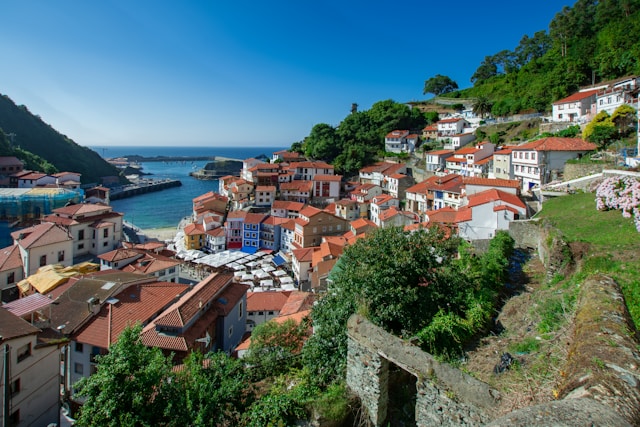
From the incredible cliffs of Galicia to the gourmet bars of the Basque Country, from medieval castles in Castilla y León to the vineyards of La Rioja — northern Spain is a road trip dream. Stretching across a varied and breathtaking landscape, this region is a true treasure trove of cultural richness, natural beauty, and unforgettable food.
It’s no surprise, then, that the 2024 Travelbook Awards named it the “Best International Road Trip Destination” beating out worthy contenders like Wales, Slovenia, Japan’s Hokkaido, and Namibia.
Northern Spain includes a wide and diverse set of regions: Galicia, Asturias, Cantabria, Castilla y León, La Rioja, the Basque Country (Euskadi), Navarra, Aragón, and Catalonia. Each of these communities has a unique identity and charm, but together they create one of the most special areas of Spain — and arguably Europe. The best way to experience it? Go for a road trip and check it out for yourself.
Galicia
The moment you set foot in Galicia, you’ll understand why travelers fall in love with this green, windswept land. Framed by both the Atlantic Ocean and the Cantabrian Sea, Galicia’s coastline is wild, dramatic, and spectacular. Destinations like the cliffs of A Costa da Morte or the Atlantic Islands National Park offer the kind of scenery that steals your breath away.
But Galicia’s appeal doesn’t stop at the view. The region’s seafood-based cuisine is famous across the country — and beyond. Dishes like pulpo a feira (Galician-style octopus), lacón con grelos (pork shoulder with greens), and the iconic Tarta de Santiago (almond cake) are must-tries. Food is definitely a central to the Galician experience.
Asturias: where mountains meet the sea
Often described as a “natural paradise,” Asturias is one of Spain’s best-kept secrets. It’s a place where the green of the mountains touches the blue of the sea, and where rural traditions remain alive and well. The region is home to the Picos de Europa, a national park loved by hikers and climbers, as well as a coastline filled with dramatic cliffs and peaceful coves.
Asturias also has a rich culinary tradition, famous for its hearty, rustic dishes. The fabada asturiana — a rich bean stew — and the massive cachopo — fried veal stuffed with ham and cheese — are local favorites. And don’t leave without trying Asturian cider, poured from high above the glass in traditional sidrerías.
Cantabria
Cantabria greets visitors with a combination of pristine beaches, rolling hills, and some of Europe’s most important prehistoric art. The Altamira Cave, a UNESCO World Heritage Site, is known as the “Sistine Chapel of Cave Art.” The original cave is now closed to the public, but a replica and museum offer a brilliant glimpse into humanity’s early creativity.
Along the Cantabrian coast, more than 60 white-sand beaches line the shore, in towns like Laredo, Liendo, and San Vicente de la Barquera. In the region’s interior, natural parks and green valleys are perfect for hiking or simply enjoying a slower pace of life. Be sure to taste the famous Cantabrian anchovies, known for their quality and flavor.
Euskadi (The Basque Country)
If there’s a gastronomic heart to northern Spain, it beats in the Basque Country. Known worldwide for its food, this region boasts some of the highest concentrations of Michelin-starred restaurants per capita. But even casual travelers can enjoy the local food culture through pintxos, small, creative bites served in bars across cities like San Sebastián and Bilbao.
Bilbao, with its Guggenheim Museum, has become a symbol of modern Spain, while San Sebastián offers both stunning beaches and one of the world’s most acclaimed culinary scenes. This region is where food and culture truly come together.
If you’re a traveler planning to explore Spain through its food, a guided food tour Madrid can serve as the perfect introduction before you head north.
Castilla y León
Castilla y León is the largest autonomous community in Spain and arguably one of the most historical. Cities like Salamanca, Burgos and Segovia are filled with Gothic churches, medieval castles, and Renaissance palaces. It’s also the birthplace of Castilian Spanish, making it the linguistic heart of the country.
The region’s landscapes range from the vast plains of the Meseta to the snowcapped mountains of the Cantabrian Range. And its food? Think roast suckling pig, morcilla (blood sausage), and wines from Ribera del Duero, one of Spain’s premier wine regions.
La Rioja
Small in size but mighty in flavor, La Rioja is world-famous for its wines — especially reds made from Tempranillo grapes. The region’s vineyards stretch across fertile valleys and up into the foothills of the Sierra de la Demanda, creating stunning views and ideal growing conditions.
Wine tastings and vineyard tours are a way of life here, but La Rioja also offers medieval villages, monasteries, and a rich local cuisine. Pair your wine with traditional Riojan stews or patatas a la riojana (potatoes with chorizo and paprika), and you’ll understand why this tiny region is a global favorite.
Navarra
Navarra offers one of Spain’s most fascinating mixes of history and landscape. From the Pyrenees in the north to the semi-arid plains in the south, the geography is as diverse as the culture. The capital, Pamplona, is known internationally for the Running of the Bulls during the San Fermín festival, one of Spain’s most famous celebrations.
Once an independent kingdom, Navarra still feels proudly distinct. The Camino de Santiago passes through the region, and its Romanesque churches, castles, and traditional villages reflect centuries of history.
Aragón
With the Pyrenees to the north and the Ebro Valley cutting through its heart, Aragón is a land of contrast. The mountainous north is popular for skiing, hiking, and mountaineering, while the central plains are home to fertile farmlands and medieval towns.
Historically, Aragón played a key role in Spanish history as part of the Crown of Aragón, one of the most powerful Mediterranean states of the Middle Ages.
Catalonia
Although often thought of as a destination in its own right, Catalonia is an essential part of northern Spain. From the cosmopolitan energy of Barcelona to the Roman ruins of Tarragona and the medieval villages of the Pyrenees, the region is rich in cultural and natural attractions.
Catalonia is also known for its strong regional identity, with its own language, traditions like the castells (human towers), and a bold culinary scene that features dishes like escalivada and crema catalana. Gaudí’s works, especially the Sagrada Família, add a fairytale quality to the urban landscape.
Start and end in Madrid
While northern Spain is best explored by car, many travelers choose to begin and end their journeys in Madrid, Spain’s capital. With high-speed train connections and international flights, it’s the ideal base for planning your northern adventure.
But Madrid is more than just a transportation hub — it’s a food lover’s paradise in its own right. Here you can find flavors from every corner of Spain, from Galician octopus to Asturian cheeses. Joining a food tour Madrid is a great way to kick off your journey or reflect on your road trip through Spain’s most delicious and diverse regions.