Outdoor Saunas in 2026: How Home Wellness Moved into the Back Garden
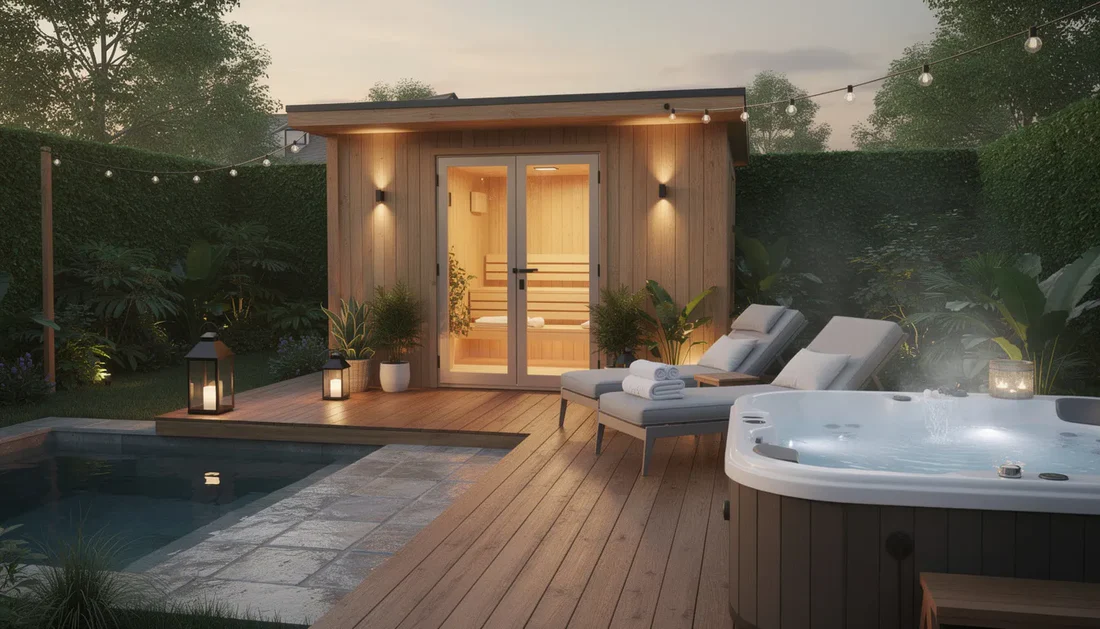
A decade ago, an outdoor sauna in the garden belonged in a resort catalogue or a Finnish summer cabin. By 2026 it belongs, increasingly often, in ordinary back gardens in Manchester, Melbourne, Munich, and Minneapolis. The category has moved from niche luxury purchase to mainstream home wellness upgrade, driven by a combination of easier installation, better materials, lower running costs, and a generational shift in how people think about recovery, sleep, and mental health.
Why Outdoor Saunas Moved Indoors on the Shopping List
Three long running trends converged around the same time.
First, home wellness stopped being optional. Hybrid work, fragmented routines, and increased awareness of sleep and stress as health variables pushed people to build small wellness rituals into their homes rather than outsourcing them to gyms and spas.
Second, the supply side matured. Thermally modified timbers, quality electric heaters, genuinely good wood burning stoves, and modular cabin construction made it possible to ship a usable outdoor sauna flat packed to a driveway and have it running inside a weekend.
Third, the research coverage reached the mainstream. Finnish population studies correlating regular sauna use with cardiovascular outcomes and mortality, along with work on heat shock proteins and blood pressure, moved sauna from folklore into a topic regular GPs and wellness writers would discuss on the record.
The combined effect is that an outdoor sauna is now judged the way a hot tub was judged in the early 2000s, as a considered home upgrade rather than an eccentric purchase.
The Main Outdoor Sauna Formats
The category is broad and the formats have very different use cases.
- Traditional barrel saunas. Cylindrical cedar or thermowood barrels, typically four to six person capacity. The canonical “garden sauna” silhouette. Strong airflow, fast heat up, good value.
- Panoramic cabin saunas. Rectangular cabins with large glass fronts. More modern look, higher ticket, often specified with wood burning stoves and deep benches.
- Pod saunas. Egg and teardrop shaped fibreglass or composite shells. Premium design object, generally two to four person, popular in smaller gardens.
- Infrared cabins. Use radiant heating elements rather than a stove. Lower ambient air temperatures, different physiological profile, lower install and running costs. Compact models can be specified indoor or outdoor.
- Traditional roof line bespoke saunas. Custom built timber cabins designed to match the main house. The top of the market, usually architect involved.
- Convertible sauna-changing-room hybrids. Two room cabins with a changing or cold plunge room alongside the heated space.
A first time buyer usually ends up either in the barrel or panoramic cabin brackets. The pod and bespoke brackets are a second move, once the household knows how often they actually use the sauna and what they would change.
How to Specify an Outdoor Sauna That Still Works in Five Years
The hard part is not the purchase. It is the specification. A handful of decisions at the order stage determine how the sauna ages.
- Timber choice. Western red cedar, Nordic spruce, and thermally modified aspen are the serious options. Each ages differently outdoors. Untreated softwood saves money at purchase and spends it back in maintenance.
- Heater type. Electric, wood burning, and hybrid. Wood burning gives the traditional experience and does not depend on mains power but needs flue regulations checked. Electric is easier to install, needs the right feed, and is more predictable. Hybrid gives both at higher cost.
- Capacity. Manufacturers usually quote capacity optimistically. A “six person” barrel comfortably seats four adults. Buy one size up from the nominal capacity if the sauna is meant for family and visitors.
- Glass. Full glass fronts look striking and heat differently. Single pane tempered glass is the minimum. In colder climates, insulated glazed units make a visible difference to heat retention.
- Floor and base. A level, drained base is more important than most buyers expect. Concrete pads, engineered plastic grids, and gravel beds are all valid. A sauna dropped on soft lawn will settle unevenly inside two winters.
- Electrics. Electric saunas typically need a dedicated feed from the consumer unit, with an isolator and appropriate cable spec. Building control and local codes matter.
- Changing space. A small covered entry area makes the difference between a sauna that gets used in winter and one that does not.
Cold water options, whether a bath, plunge tub, or simple hose outlet, are worth considering at the same time as the sauna order, because contrast therapy is one of the main reasons modern buyers cite for installing a sauna in the first place.
Running Costs, Maintenance, and Siting
Running costs are lower than most buyers expect once they scale the numbers. A 6 kW electric heater run for one hour at UK off peak rates is roughly the same as running an electric oven for an hour. A wood burning sauna costs the price of the firewood, usually modest if the household has a sensible supply.
Maintenance is seasonal rather than constant. External timber benefits from UV protective oil once a year in harsher climates, less often in moderate ones. Benches and interior wood are generally left untreated and simply cleaned. Wood burning stoves need chimney cleaning on the same schedule as a house fireplace. Electric elements are effectively maintenance free until replacement.
Siting matters more than many buyers think about. A sauna near the house gets used far more than a sauna at the bottom of the garden. Even a 20 metre walk in February changes usage patterns. A lit path, covered approach, and sensible proximity to the back door turn a novelty into a habit.
Why Specialists Outperform Generalist Retailers Here
The technical content in the outdoor sauna category is higher than casual buyers realise, which has pushed the market toward specialist retailers who can advise across the whole decision rather than simply shipping a box.
Specialists of Outdoor Sauna ranges, for example, will typically walk a buyer through timber choice, heater type, electrical feed, siting, and delivery access before the order is placed, which is where most installation problems get designed out. A generalist marketplace will take the order and leave the buyer to work out afterwards that the sauna cannot fit through the garden gate.
The pattern holds across the category. Specialist retailers invest in the pre sale consultation because the after sale support cost of getting it wrong is punishing. Generalists price down the pre sale work and push the cost onto the buyer’s weekend.
Rules of Thumb for First Time Buyers
A few simple filters will keep most first time buyers on safe ground.
- Expect the real world capacity of a sauna to be one person fewer than the spec sheet.
- Budget 10 to 15 percent on top of the sauna price for base preparation, electrical work, and delivery access.
- Treat wood burning and electric heaters as a lifestyle decision, not a technical one. Some households will never want to manage a fire. Others consider the fire half the point.
- Specify a sauna that can be heated in around 30 to 45 minutes. Anything longer changes how often it gets used.
- Buy from a retailer that will be around in five years for parts and advice, not the cheapest flat pack on a marketplace.
Frequently Asked Questions
Do I need planning permission for an outdoor sauna?
In most jurisdictions, a freestanding outdoor sauna within certain size and height limits is treated as a garden building and does not need planning permission. In conservation areas, listed property curtilages, and some overseas markets, rules differ. Check local planning or building control before ordering.
How often should I use a sauna to get a benefit?
The Finnish observational research most commonly cited looked at two to three sessions a week as the baseline associated with measurable cardiovascular differences, with additional sessions beyond that correlating to further differences. A realistic target for a home sauna is three sessions a week.
Are infrared saunas the same as traditional saunas?
No. Traditional saunas heat air to 70 to 100 degrees Celsius and the body warms by convection and through steam. Infrared cabins heat the body directly at lower air temperatures. Users report different sensations and the research base is still more developed for traditional saunas. Both have their place.
How long does an outdoor sauna last?
A well specified outdoor sauna in a climate it was designed for should last 15 to 25 years with routine maintenance. Cedar and thermowood generally outlast untreated softwood by a significant margin outdoors.
Can an outdoor sauna be used in winter?
Yes, and in many markets winter is the main use case. Heat retention is actually easier to achieve in cold weather than in summer. The deciding factor is siting. A covered approach and a path that can be cleared of snow keep the sauna in use through the cold months.
Conclusion
The outdoor sauna has earned a permanent place on the home wellness shopping list. Between better materials, easier installation, and a maturing body of research on regular heat exposure, it has moved from eccentric luxury to considered household upgrade. The buyers who get the most out of the category are the ones who take the specification seriously, who buy from specialists who will still be supporting the product in five years, and who site the sauna close enough to the house that using it is a habit rather than an event.