Safe Handling and Use of Acetylene Gas in Medical Environments
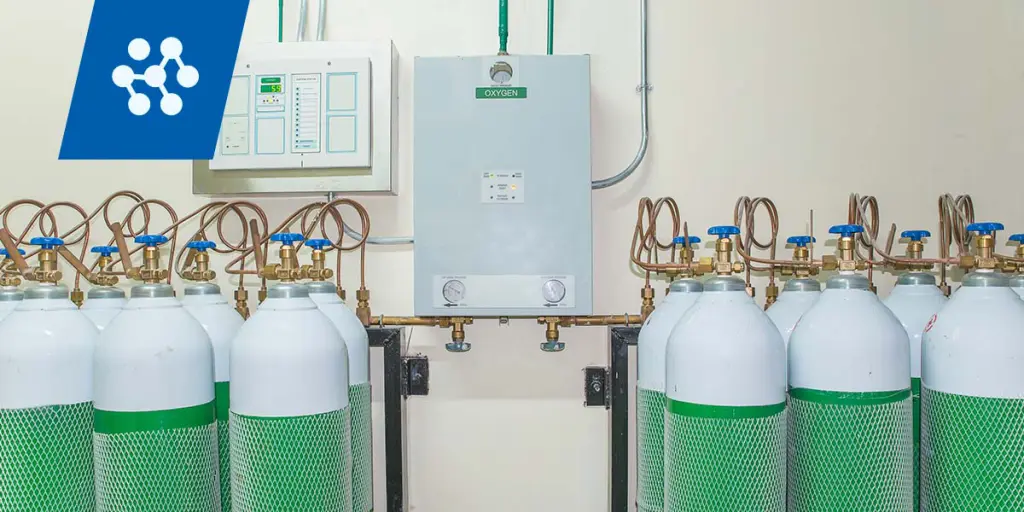
Acetylene gas plays a significant role in the medical field, necessitating proper understanding and handling to ensure safety and effectiveness. The management of acetylene gas in a clinical setting demands stringent protocols due to its highly flammable nature. In recent years, with advancements in medical technology and innovation, the need for reliable Acetylene Gas Supply for Medical Use has become more prominent.
The Role of Acetylene Gas in Medical Environments
Acetylene gas is primarily used as a fuel gas in welding and cutting applications, but it also has niche uses in medical environments. It is essential in laboratories for certain analytical operations, thanks to its high combustion temperature and ability to produce a concentrated heat source necessary for some medical processes.
Safety Protocols in the Handling of Acetylene Gas
Given the volatile nature of acetylene, it is crucial to implement comprehensive safety measures in medical environments. Proper ventilation, correct storage regulations, and routine equipment maintenance are paramount to mitigate risks associated with acetylene gas leakage or accidental ignition.
Ventilation and Storage
Proper ventilation systems are essential where acetylene gas is used to prevent the accumulation of gas, which could lead to explosive atmospheres. Additionally, acetylene cylinders should be stored in designated areas away from direct sunlight and potential sources of ignition.
Equipment Maintenance
Regular maintenance of the equipment used in the storage and utilisation of acetylene ensures the safety of medical personnel and patients alike. Inspections should be scheduled periodically to check for wear and tear or potential leakages in connectors and valves.
Integrating Acetylene Safety with Medical Gas Systems
The integration of acetylene safety protocols with the use of other medical gases, such as oxygen and carbon dioxide, is essential. This approach provides a comprehensive safety network that encompasses all gaseous supplies within a medical facility. For more information on the availability of medical gases, consult Oxygen Gas Supply for Medical Use and Carbon Dioxide Gas Supply for Medical Use.
Training and Education for Medical Staff
Ensuring that medical personnel are adequately trained in the safe handling of acetylene gas is vital. Workshops and certified training programmes can provide staff with the necessary skills and knowledge to handle emergencies effectively and maintain safety standards.
Emergency Procedures
Detailed emergency procedures should be in place to address potential incidents involving acetylene gas. This includes evacuation plans, fire extinguishing techniques, and first aid measures tailored to gas exposure scenarios.
Regulatory Compliance
Compliance with national and international standards on the safe use of gases in medical environments is mandatory. Medical facilities must adhere to these regulations to ensure the safety of their operations and the well-being of their patients and staff.
Environmental Considerations
The environmental impact of using acetylene gas must also be considered. Medical facilities should explore energy-efficient processes that minimise acetylene consumption and reduce greenhouse gas emissions resulting from its use.
Conclusion
Acetylene gas holds a niche but important role in medical environments. Ensuring its safe handling and integration with other medical gases is essential for the safety and efficiency of medical facilities. Adherence to safety protocols, continuous staff training, and compliance with regulations are critical actions that healthcare facilities must adopt. With these measures in place, the benefits of using acetylene gas in the medical field can be realised without compromising safety.