Shaping the Healers of Tomorrow: Medical Colleges Driving India’s Healthcare Innovation
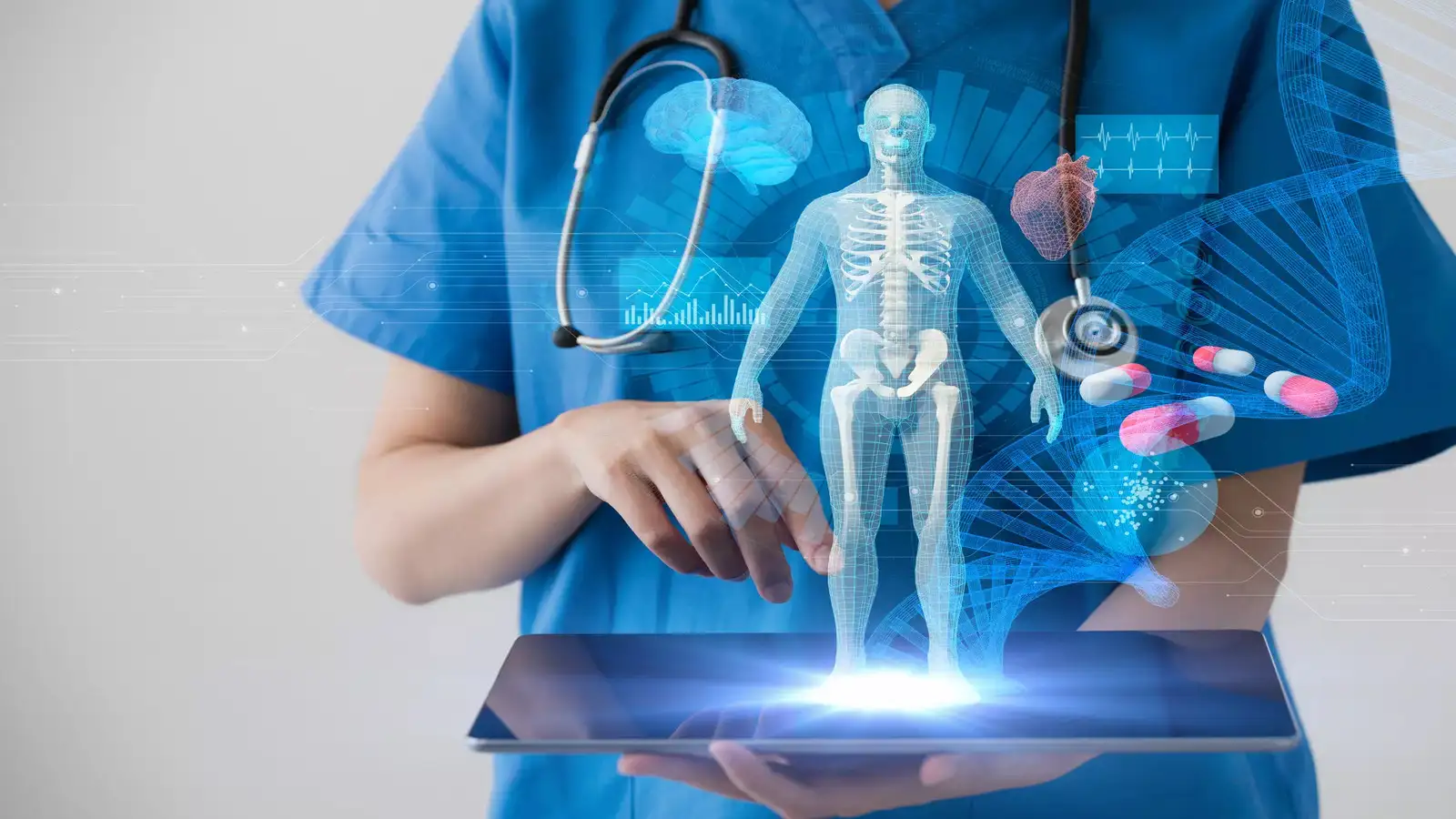
India’s healthcare landscape is rapidly evolving, driven by the vision and commitment of its premier medical institutions. These colleges are not just centers of academic learning but are incubators for future healthcare leaders, researchers, and innovators. By combining rigorous academic training with hands-on clinical exposure, Indian medical colleges are shaping professionals capable of addressing global health challenges with expertise and empathy.
Sikkim University: Pioneering Holistic Medical Education
Sikkim University Medical Programs exemplify the shift towards a more holistic, research-oriented approach in medical education. The university emphasizes experiential learning through clinical rotations, internships, and collaborative research projects, ensuring students gain real-world exposure alongside theoretical knowledge. With a focus on integrating digital tools, simulation labs, and interdisciplinary projects, students explore emerging fields such as telemedicine, biotechnology, and AI-driven healthcare solutions. This approach equips graduates with the skills needed to meet modern healthcare demands while fostering critical thinking and problem-solving abilities.
Mangalore University: Driving Innovation in Health Sciences
Mangalore University Health Sciences Initiatives similarly prioritize research and innovation in medical training. Through programs under Mangalore University Innovative Medicine, students engage in translational research that bridges laboratory discoveries with practical healthcare solutions. The university encourages international collaborations, enabling students to participate in global research networks. By combining clinical exposure with pioneering research opportunities, Mangalore University ensures that its graduates are not only competent healthcare providers but also innovators capable of contributing to advancements in medical science.
Research and Innovation: A Pillar of Medical Colleges
Medical colleges in India are increasingly becoming hubs of cutting-edge research. Universities like Sikkim University Advanced Health Research encourage students and faculty to participate in clinical trials, epidemiological studies, and biomedical research. Such initiatives have led to breakthroughs in areas ranging from infectious diseases to genetic research, positioning India as a significant contributor to global medical advancements.
Experiential Learning and Clinical Exposure
A defining feature of India’s top medical colleges is the emphasis on experiential learning. Students engage in hospital rotations, community health programs, and public health campaigns, providing invaluable exposure to diverse patient populations. These experiences not only enhance clinical skills but also cultivate empathy, ethical decision-making, and leadership qualities necessary for future healthcare professionals.
Integration of simulation-based learning and telemedicine training ensures that students are well-prepared for the modern healthcare ecosystem. By balancing classroom instruction with practical application, these institutions produce doctors who are both competent and compassionate.
Other South Indian Universities Leading the Global Education Wave
Beyond Sikkim and Mangalore, several South Indian universities are making remarkable strides in healthcare education:
- PSG College of Technology Medical Collaborations, Coimbatore – PSG College of Technology integrates cutting-edge technology with medical education through a variety of industry-linked projects and research labs. Students gain hands-on experience in medical device development, healthcare analytics, and clinical simulations. The college encourages entrepreneurship through incubation centers and startup support, allowing students to translate innovative ideas into practical solutions. Collaborative programs with hospitals and healthcare organizations provide exposure to real-world challenges. This interdisciplinary approach ensures that graduates are both technologically adept and clinically informed, ready to contribute to modern healthcare systems.
- Amrita School of Engineering Health Innovations, Coimbatore – Amrita School of Engineering emphasizes the application of engineering principles to healthcare solutions. Programs focus on AI-driven healthcare tools, biomedical data analytics, and mechanical engineering applications in medical devices. Students participate in research projects, workshops, and internships that enhance problem-solving skills and practical knowledge. The university promotes interdisciplinary collaboration between medical and engineering faculties to develop innovative healthcare technologies. Graduates are trained to address complex healthcare challenges while fostering a spirit of innovation and ethical responsibility.
- RV College of Engineering Healthcare Solutions, Bangalore – RV College of Engineering combines technical education with healthcare-focused research initiatives and innovation labs. Students engage in applied medical projects, startup incubation programs, and interdisciplinary collaborations that bridge engineering and medical sciences. The college encourages hands-on experimentation in areas such as medical instrumentation, telemedicine solutions, and healthcare automation. By integrating technical expertise with clinical insights, RV College equips graduates to develop solutions that improve patient care and healthcare delivery systems. Exposure to real-world healthcare challenges prepares students to become innovators and leaders in the medical technology sector.
These institutions demonstrate how interdisciplinary approaches can strengthen healthcare education, making South India a hub for academic excellence and global healthcare leadership.
Emphasis on Ethics, Leadership, and Global Exposure
India’s medical colleges are committed to fostering professionals who uphold the highest ethical standards. Leadership programs, workshops on healthcare policies, and international exchange opportunities ensure that graduates are not only clinically adept but also capable of influencing global health trends.
Moreover, exposure to international research collaborations and conferences broadens students’ perspectives, preparing them to tackle challenges such as pandemics, public health crises, and emerging medical technologies on a global scale.
Preparing for the Future of Healthcare
With increasing demand for skilled healthcare professionals, Indian medical colleges are continuously evolving to meet the needs of the 21st century. Curriculum reforms, emphasis on research, and integration of digital technologies are creating a new generation of doctors who are problem-solvers, innovators, and compassionate caregivers.
By prioritizing both academic rigor and practical experience, these institutions are nurturing professionals ready to contribute to India’s healthcare ecosystem and beyond.
Conclusion
India’s medical colleges are more than educational institutions—they are crucibles for innovation, ethical practice, and global healthcare leadership. Through a combination of research excellence, clinical exposure, and interdisciplinary learning, these universities are shaping a generation of healthcare professionals equipped to address the world’s evolving medical challenges. As these colleges continue to adapt and innovate, they reinforce India’s position as a leader in medical education and healthcare solutions on the global stage.