Should I Use Sunscreen Before or After Moisturizer?
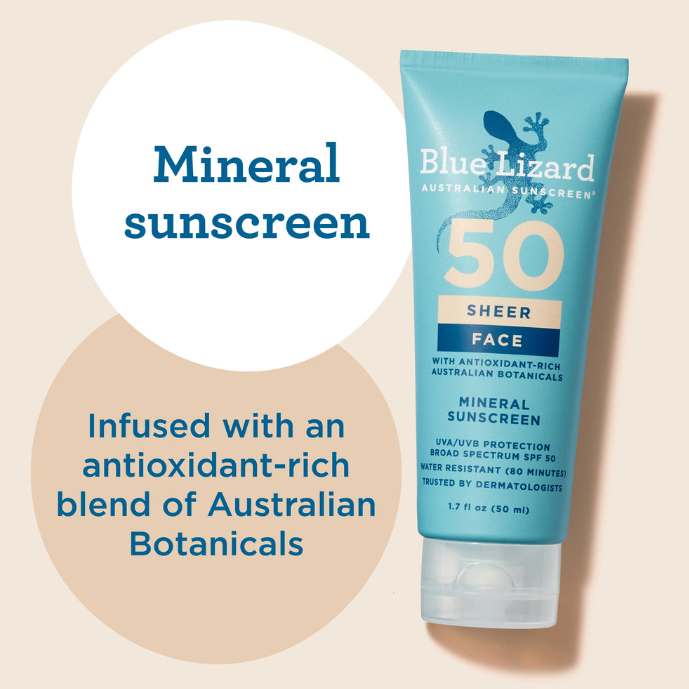
TL;DR: Moisturizer goes on first to hydrate your skin, but sunscreen should always be the final step in your routine. A mineral sunscreen with zinc oxide then forms the protective layer that helps block UVA and UVB rays.
A good skincare routine usually includes both moisturizer and sunscreen, but plenty of people aren’t sure which one should go on first. It’s an easy thing to get wrong, and since both products are doing different jobs, the order you apply them in does actually make a difference to how well they work. So should you use sunscreen before or after moisturizer?
Because they do different things, they need to go on in the right order and in this article, we look at what that order is and why, so you can tell whether you’re doing it right…or not.
Sunscreen Before or After Moisturizer? Last, Every Time
So, should you use sunscreen before or after moisturizer? Easy answer – It should come last and for a number of reasons. If you layer other products over it, they can break down or interfere with the protective barrier SPF creates on the skin’s surface, which is why it sits at the end of the routine, just before makeup (if you wear it, of course).
Here’s why the order matters…
- Moisturizer gets your skin ready for the sunscreen you’re about to put on. Well-hydrated skin helps sunscreen spread evenly and stops it from going on in patches, meaning that when skin is dry or flaky, it may not distribute properly, which can reduce coverage and leave small areas vulnerable to UV exposure.
- The majority of sunscreens, especially when talking about zinc oxide mineral formulas, work by creating a barrier, and adding moisturizer on top can disrupt things and reduce the protection the SPF is providing.
- Moisturizer focuses on hydration and barrier support, while sunscreen focuses on UV protection. Keeping them in the right order gives each product a much better chance of being able to do its job without interfering with the other.
When used together correctly, moisturizer and sunscreen cover both hydration as part of your daily sun defense routine. However, when you get them in the right order, the protection each provides is elevated, so your skin benefits.
Tips for Using Face Sunscreen in Your Daily Routine
Applying sunscreen to your face in the right order (if you’re not currently doing so) is pretty simple and doesn’t necessarily have to overly-complicate your routine. A few straightforward changes make it easier to stay consistent without adding much time to your morning.
You should cleanse first, and then apply your moisturizer. Give it a minute or two to absorb before moving on to sunscreen, as this short wait will help prevent pilling and keep each product sitting in the right layer – where it belongs.
Helpful habits to remember:
- Apply sunscreen as the final skincare step
- Use broad-spectrum SPF 30 or higher
- Allow products to absorb before layering makeup
- Reapply sunscreen every two hours when outdoors
Getting these basics right means your sunscreen is actually performing the way it’s supposed to, and your skin is the big winner here. Sure, your routine may have protected you up until now, but it may not have been the most effective if the order is wrong.
Sunscreen Before or After Moisturizer? It Comes Second For the Sake of Your Skin
Putting your moisturizer on first prepares your skin for what’s about to come. If you don’t put sunscreen on last, you might find that you’re not getting the protection your skin needs, meaning you end up with fine lines and wrinkles before your time.
If you want an everyday facial sunscreen that slots easily into your routine, a mineral formula for the face is your best bet. That’s because they use zinc oxide or titanium dioxide as a barrier, rather than chemicals as a filter. On top of that, they’re naturally broad spectrum, so you’re safe against both UVA and UVB rays.
Always put sunscreen on after you’ve done your usual routine and choose a good mineral sunscreen for daily protection. Get those two things right and you’re more than halfway there.